


How Previo en Origen (PEO) Accelerates Mexico Customs Clearance for Amazon & Mercado Libre Sellers
Cross-border e-commerce sellers scaling on Amazon Mexico or Mercado Libre often face severe operational bottlenecks at Mexican entry ports like Manzanillo and Lázaro Cárdenas. Unclear manufacturer quality, non-compliant NOM packaging labels, unverified serial numbers and mismatching commercial invoices frequently lead to mandatory on-site port inspections (previo en destino). The result? Thousands of dollars in demurrage fees, extended warehouse holds and lost Buy Box placement during peak sales seasons.
Navigating Article 42 of Mexico's Customs Law (Ley Aduanera) requires strict compliance before your cargo ever boards a vessel. Conducting a structured pre-customs clearance inspection at origin (Previo en Origen) ensures that physical quantities, tariff classifications and regulatory markings strictly align with your Pedimento import documentation.
To eliminate destination customs bottlenecks, TESTCOO provides a unified global third-party inspection service. By deploying on-site inspectors across global manufacturing hubs within 24 hours, TESTCOO protects cross-border inventory and streamlines port release.
Why Do E-Commerce Cargoes Suffer Severe Customs Delays at Mexican Ports?
To understand how Previo en Origen optimizes cross-border supply chains, it helps to look at how traditional port inspection compares to streamlined origin verification side by side:
Clearance Stage | Traditional Destination Inspection | Previo en Origen (Origin Verification) |
Stage 1 | Vessel Arrives at Mexican Port | On-Site Previo en Origen Inspection at Origin |
Stage 2 | Port Unloading & Bonded Holding | Direct Dispatch Post-Verification & Seal |
Stage 3 | Mandatory Destination Customs Inspection | Fast-Track Port Clearance (24–48 Hours) |
Stage 4 | NOM Labeling or Quantity Discrepancy Found | Direct Intake at Amazon FBA / Mercado Libre |
Final Impact | High Port Fines + Demurrage + 7–14 Day Delay | Zero Fine Risk + Fast Clearance + Predictable Stocking |
When shipping containerized freight from Asia, Europe or South America to Mexico, foreign importers without a physical local entity rely on local Importers of Record (IOR) or licensed customs brokers (Agentes Aduanales). If a container arrives without pre-verified physical records, Mexican customs authorities (SAT) enforce destination sampling.
From our years of on-site global inspection experience, three primary failure points trigger severe customs holds:
1.NOM Labeling & Physical Branding Omissions
Mexican Official Standards (Normas Oficiales Mexicanas or NOMs), such as NOM-024 for electronics or NOM-050 for general commercial labeling, require Spanish product details, importer RFC details, country of origin and safety warnings directly on the physical packaging. Overseas factories routinely print generic English packaging or forget mandatory importer tax IDs.
2.Quantity Discrepancies & Tariff Misclassifications
A mismatch of even 5% between the physical SKU count inside a container and the line items on the Commercial Invoice (Factura Comercial) or Packing List forces customs brokers to hold the shipment, leading to onerous fines under Mexican customs regulations.
3.FBA & Fulfillment Center Rejections
Containers delayed at port for 10–14 days lose scheduled Amazon FBA delivery slots or Mercado Libre Fulfillment appointments. Once released, if the internal master cartons lack scannable barcodes or suffer transport damage due to improper loading, fulfillment centers reject the entire batch at the bay.
Partnering with accredited third-party quality control inspection companies allows buyers to audit, verify and relabel merchandise before container sealing, mitigating destination risk entirely.

What Is Previo en Origen and How Does the Inspection Protocol Work?
Previo en Origen (PEO) is a formal pre-customs verification process carried out at the overseas supplier's factory or consolidation warehouse prior to vessel departure. Governed by Mexican customs frameworks, PEO converts the risky destination port inspection into a verified, low-risk documentation review upon arrival.
Operational Criteria | Traditional Destination Inspection (Previo en Destino) | Previo en Origen (PEO) Service |
Inspection Location | Mexican Arrival Port (Manzanillo, Lázaro Cárdenas, Ensenada) | Supplier's Overseas Factory / Loading Warehouse |
Port Customs Clearance Lead Time | 7 to 15 Business Days | 24 to 48 Hours Direct Dispatch |
Failure Correction Cost | High: $1,500–$5,000+ per container (demurrage, bonded warehouse fees, local relabeling) | Low: Corrected on-site at origin by supplier prior to shipment |
Customs Fine Risk | High: Fines for incorrect HS codes, missing RFC or SKU mismatches | Minimal: Data verified against Pedimento draft before vessel loading |
Amazon / Mercado Libre Inventory Flow | High risk of stockouts and missed seasonal sales | Predictable inventory turn & fast FBA receiving |
Disclaimer: Cost and fee estimates presented in the table above are indicative industry benchmarks and may vary depending on port location, carrier demurrage terms and specific customs penalty scales.
Read more: A Guide for Mexican Previo en Origen (PEO) | TESTCOO
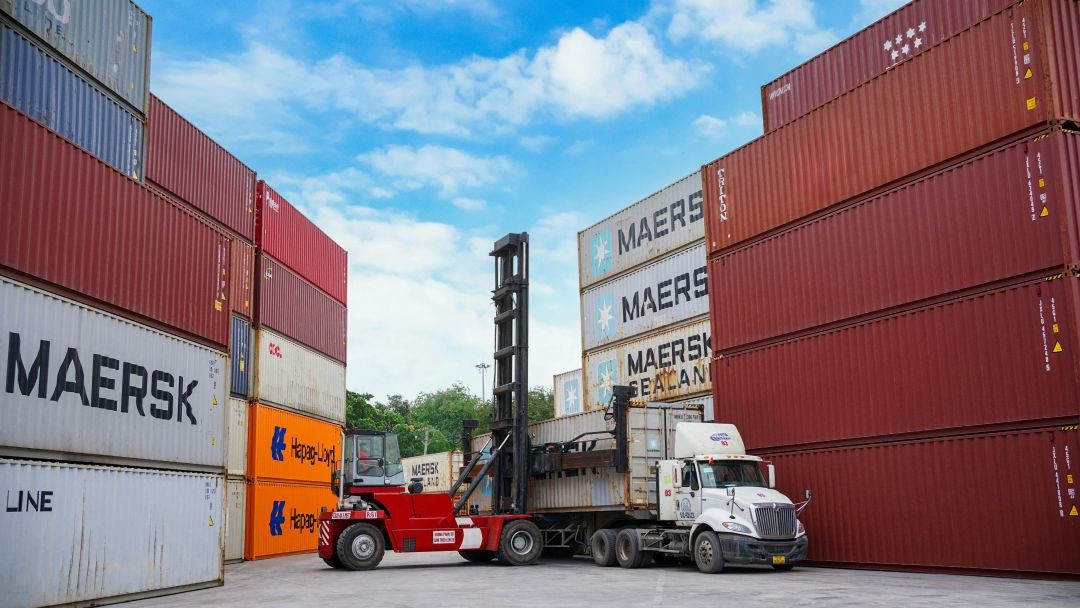
The 6-Step Previo en Origen Workflow
To ensure total transparency and compliance from the factory floor to final warehouse intake, the Previo en Origen verification protocol operates across six integrated steps:
Step | Process Stage | Key Operational Action | Primary Value / Output |
1 | Factory Floor Inspection | On-site deployment of inspectors at the supplier facility | Immediate physical verification of completed goods |
2 | NOM Label Compliance Check | Verification of Spanish packaging, importer RFC and safety warnings | Elimination of Mexican customs regulatory rejections |
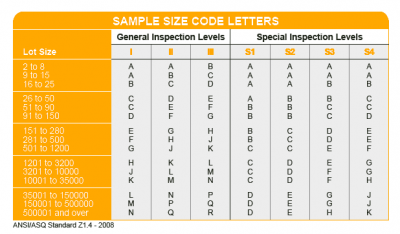
3 | Standardized ISO 2859-1 (ANSI/ASQ Z1.4) random product sampling | Prevention of defective or mismatched SKU shipments | |
4 | Monitoring weight distribution, carton loading and applying tamper seals | Cargo security and prevention of transit damage | |
5 | Digital Report Issuance | Certified inspection report with photo evidence sent within 24 hours | Advance Pedimento documentation filing by customs broker |
6 | 24-Hour Port Release & Intake | Accelerated customs clearance for direct dispatch to fulfillment bays | Fast receiving at Amazon FBA / Mercado Libre warehouses |
 Download Previo en Origen Inspection Report
How Much Does Global Product Inspection Cost for Previo en Origen Services?
For cross-border brand owners managing international supply chains, understanding pricing structures is vital for budgeting quality control:
Standard Global Inspection Cost Range: Professional Previo en Origen (PEO) services, combining pre-shipment quality verification, NOM compliance audits and container loading supervision, typically range from $280 to $350 USD per man-day across major sourcing hubs in Asia, Southeast Asia and South America.
- Turnaround Lead Times: Standard inspection reports are validated within 24 to 48 hours post-inspection, allowing export schedules to stay on track. Urgent 24-hour scheduling accommodates sudden vessel cut-offs.
- Return on Investment: A single held container at a Mexican port can incur $150 to $300 USD per day in demurrage and storage fees, alongside potential SAT customs fines ranging from 10% to 150% of cargo value for unlisted items. Previo en Origen eliminates these unforeseen expenses, preserving product margin.
In our global cross-border supplier audit projects, e-commerce sellers implementing systematic PEO inspection reduce port hold incidents by over 92%, securing smooth supply chain velocity during high-volume promotional events like El Buen Fin and Hot Sale.
Note: Pricing is indicative and subject to change based on factory location, product complexity, sampling size and specific service scope.
Key Mistakes Sourcing Teams Make When Sourcing for Mexico E-Commerce
Navigating Mexican import compliance requires a proactive approach, yet many overseas e-commerce sellers fall into preventable operational traps. The table below highlights the four most critical sourcing missteps and their direct impact on port clearance and warehouse intake:
Common Sourcing Misstep | Operational Failure Point | Supply Chain & Customs Impact |
Relying on Supplier Self-Declarations | Trusting factory-provided photos without independent third-party physical audit. | Unseen packaging errors, incorrect power adapters or missing serial numbers discovered only after arrival at Mexican customs. |
Misunderstanding NOM Scope | Assuming standard English or generic Spanish text meets Mexican legal requirements. | Immediate customs holds, mandatory relabeling in bonded warehouses and heavy fines under Mexican regulatory standards (Normas Oficiales Mexicanas). |
Neglecting Container Loading Audits | Skipping on-site supervision during ocean container loading and seal placement. | Crushed cartons, moisture damage and scannability failures that lead to immediate rejection at Amazon FBA or Mercado Libre bay doors. |
Siloed Customs Brokerage | Treating product inspection, customs clearance and logistics as separate operational silos. | Communication delays between overseas suppliers and Mexican Agentes Aduanales, missing draft Pedimento alignments and avoidable port demurrage. |
Read more: 5 Mistakes During Previo en Origen | TESTCOO

Streamlining Mexican Customs with TESTCOO Localized QC Solutions
To succeed in cross-border commerce, enterprise brands require dependable quality control partners. TESTCOO delivers a comprehensive global third-party inspection service tailored to cross-border sellers, importers and brand owners.
- Global Localized Network: With full-time local inspectors stationed across major global manufacturing regions, TESTCOO ensures rapid deployment within 24 hours.
- ISO & Internationally Accredited: Operating under ISO 9001, ISO 27001, CNAS 17020 and AQSIQ certifications, our inspection reports align with international regulatory expectations and Mexican customs documentation standards.
- Digitalized QC & Real-Time Visibility: Clients access digital dashboards featuring real-time inspection updates, high-resolution original photos and structured supplier performance archives.
- End-to-End Quality Support: From early-stage factory audit service and in-process quality inspection to dedicated Amazon FBA inspection, container loading supervision and Previo en Origen, TESTCOO provides complete oversight across your product's lifecycle.
Real Sourcing Case: A consumer electronics seller expanding on Mercado Libre Mexico faced recurring port holds at Manzanillo due to improper NOM labeling and packaging count errors from their overseas factory. By integrating TESTCOO's Previo en Origen service, physical goods and labels were audited and verified prior to container sealing. This reduced customs clearance times from 12 days to under 24 hours while completely eliminating destination demurrage fees.
Read more: How to Choose a Previo en Origen Partner | TESTCOO
Frequently Asked Questions (FAQ)
Q1: What is the main difference between standard Pre-Shipment Inspection (PSI) and Previo en Origen (PEO)?
A standard Pre-Shipment Inspection (PSI) evaluates overall product quality, workmanship defects and functional performance based on buyer-specified AQL thresholds. Previo en Origen (PEO) specifically incorporates Mexican customs legal compliance requirements under Article 42 of the Ley Aduanera. It verifies commercial invoices, NOM labeling accuracy, exact unit counts and HS code declarations in direct coordination with the importer's Mexican customs agent to ensure fast-track port clearance.
Read more: Previo en Origen (PEO) vs. Final Random Inspection (FRI): What is the Difference | TESTCOO
Q2: Can Previo en Origen prevent Amazon FBA and Mercado Libre inventory rejections?
Yes. Beyond clearing customs, PEO inspects outer carton barcode scannability, pallet dimension limits, box weight restrictions and shipping label accuracy against Amazon FBA and Mercado Libre fulfillment center guidelines. Catching mislabeling or packaging defects at the origin factory prevents costly warehouse rejections upon arrival in Mexico.
Q3: How far in advance should an e-commerce buyer schedule a Previo en Origen inspection?
It is best to schedule the inspection 3 to 5 days before the scheduled container loading date. This timing ensures that product manufacturing and master carton packaging are 100% complete while leaving adequate buffer time for any necessary relabeling or carton corrections before cargo dispatch.
Q4: What happens if non-compliance or labeling errors are found during the PEO inspection?
When discrepancies (such as incorrect Spanish NOM labeling or SKU count mismatches) are identified, the on-site inspector flags them immediately in the provisional findings. Because the cargo is still at the factory, the supplier can correct labels, replace defective packaging or adjust export documentation prior to container sealing. This avoids major port fines and storage holds in Mexico.
Read more: Handling Previo en Origen Failures at Mexican Customs | TESTCOO
Secure Your Mexico Supply Chain with Professional Previo en Origen Services
Navigating Mexico customs clearance does not have to compromise your e-commerce growth or erode operating margins. By shifting compliance verification upstream with Previo en Origen, cross-border brands selling on Amazon and Mercado Libre can avoid port delays, reduce demurrage costs and maintain inventory flow. Partnering with established third-party quality control inspection companies provides the oversight needed to protect global supply chains.
Ready to eliminate Mexico customs delays and secure your supply chain?

Related Articles
Read More

Free Sample Report Performance Quality Control
Download a sample report to keep control of your supply chain!

Featured Articles
 AQL Table | How to Read It
 TOP 10 Common Defects in Garments Quality Inspection
 Product Packaging and Shipment Label requirements for Amazon FBA
 What Is ASTM-F2413-18? Protective Footwear Standard
 How to Conduct Third-Party Quality Control Inspections for Electric Scooters
 SMETA Audit-What is SMETA Audit?
 TESTCOO Supplier Verification/Certification Service SLCP, Higg FEM, GRS, GOTS
 Quality Control Inspection Company in China
 What is Quality Inspection? A Complete Guide
 Guidelines for Product Inspection in India
Category
- Production Inspection Service
- Factory Audit
- Softline Inspection
- Hardline Inspection
- Electrics Inspection
- Certification
- Checklist
- Manufacturers
- Quality Assurance Basics
- Products Recall
- AQL
- Guidence and Standard
- News
- Supplier Management
- Amazon
- Protective Equipment
- e-commerce quality control
- Indian Manufacturing
- Soft Goods Quality Control
- Supply Chain Management
- Supply Chain Resilience
- E-Commerce Quality Control
- ISO 2859
- Supply Chain Optimization
- Garment Industry
- Higg Index