


Avoiding Mexican Customs Holds: PEO & NOM Compliance for Sourcing Textiles, Toys & Hardware
Expanding your procurement footprint into Mexico offers significant cross-border growth opportunities, but inadequate import compliance preparation can turn profitable shipments into costly delays. Importers bringing manufactured consumer goods, such as apparel, children's toys, and hand tools, into Mexico through major commercial ports like Manzanillo, Lázaro Cárdenas, and Veracruz must account for applicable customs requirements and product-specific regulations. Mexico's Tax Administration Service (Servicio de Administración Tributaria, SAT) and the relevant customs authorities administer and enforce customs requirements under Mexico's Customs Law (Ley Aduanera). Depending on the circumstances, non-compliance may result in additional inspections, shipment delays, penalties, or other administrative measures.
Non-compliant commercial labeling under applicable Official Mexican Standards (Normas Oficiales Mexicanas, or NOMs), as well as discrepancies between physical cargo and shipping documents, can complicate customs clearance and increase storage, demurrage, and corrective handling costs. For global brands, procurement managers, and cross-border e-commerce sellers, an overlooked compliance requirement at origin can disrupt distribution schedules, tie up working capital, and affect retail delivery commitments.
Relying solely on overseas factories in Asia, Southeast Asia, or Europe to interpret Mexican labeling requirements or prepare accurate product and shipping information can create operational risks. Factory engineering teams are primarily focused on production and product quality, and may not have sufficient expertise in Mexican customs procedures (pedimentos) or consumer protection requirements administered by the Federal Consumer Protection Agency (PROFECO).
This is where a Previo en Origen (PEO) inspection, where applicable and agreed with the importer's Mexican customs broker, can serve as a practical risk-mitigation tool. Conducted at the origin facility before shipment, a Previo en Origen (PEO) inspection can help identify discrepancies in product labeling, carton quantities, shipping documents, and loading records. As a global third-party inspection service provider, TESTCOO can support importers by checking agreed requirements at the factory before containers are sealed. Such inspections complement, but do not replace, applicable certifications, conformity assessment procedures, customs documentation, or official customs inspections.
What Are the Real-World Failure Risks of Importing Textiles, Toys, and Hardware into Mexico?
Drawing on on-site quality control and shipment verification practices, buyers can identify several recurring risks before goods leave the factory. Sourcing regulated product categories such as textiles, toys, and hardware without checking the applicable NOM requirements and import documentation can expose businesses to avoidable costs and delivery delays.
The following illustrative scenarios show how different types of discrepancies can affect Mexico-bound shipments. Actual consequences depend on the products, applicable regulations, import arrangements, and decisions made by the relevant authorities.
Case 1: Textile & Apparel Labeling Non-Compliance (NOM-004-SE-2021)
A retail brand ships two 40-foot high-cube containers containing $380,000 worth of adult outerwear from East Asia to the Port of Manzanillo. The overseas factory provides generic care instructions in English but does not adequately verify the Spanish-language commercial labeling requirements applicable to the garments.
If the garments fall within the scope of NOM-004-SE-2021, the missing or incorrect information may include fiber composition, care instructions, country of origin, size, or information identifying the responsible party, depending on the product and labeling arrangement.
Potential Impact: If the shipment is found to be non-compliant with applicable requirements, the importer may face additional verification, corrective labeling work, storage charges, or delays while the issue is resolved. The actual financial impact depends on the nature of the discrepancy and the available corrective procedures.
The Fix: A dedicated Previo en Origen (PEO) inspection can verify the relevant labeling elements against NOM-004-SE-2021 and the importer's approved checklist. Inspectors can examine Spanish fiber composition descriptions (for example, 100% Algodón), care instructions, country-of-origin information, and the applicable responsible-party information. Findings should be photographed and documented before cargo dispatch.
Case 2: Toy Labeling and Spanish-Language Information (NOM-015-SCFI-2007)
An e-commerce brand imports 15,000 plastic action figures and plush toys for distribution across Latin American marketplaces. The factory provides European CE documentation, but the importer has not confirmed whether the product packaging meets the applicable Mexican commercial labeling requirements.
NOM-015-SCFI-2007 covers commercial labeling for toys. Depending on the product, relevant checks may include product identification, age-related information, applicable warnings, country-of-origin information, and other required commercial disclosures. Additional product-specific safety requirements may apply separately.
European CE documentation does not automatically establish compliance with Mexican requirements.
Potential Impact: Inadequate labeling or missing documentation may result in corrective work, delays, or other consequences depending on the applicable requirements and circumstances. Not every labeling discrepancy automatically results in seizure or mandatory re-exportation.
The Fix: Before shipment, verify the applicable Mexican labeling requirements with the appointed customs broker. An origin inspection can check Spanish-language text, relevant warnings, age-related information, country-of-origin markings, and other applicable label elements. Where separate product safety or conformity requirements apply, they should be addressed through the appropriate testing and conformity assessment process.
Case 3: Hardware & Hand Tool Labeling Omissions (NOM-050-SCFI-2004)
A commercial hardware distributor imports hand tools and power-tool accessories into Mexico. The factory has not adequately checked the Spanish-language commercial information required for the products, and some packaging details do not match the descriptions in the shipping documents.
NOM-050-SCFI-2004 establishes general commercial labeling requirements for products within its scope. However, certain products may be governed by specific NOMs or other applicable requirements. The exact labeling, manual, and product-marking obligations should therefore be confirmed for the relevant product category.
Potential Impact: Depending on the nature and legal significance of a discrepancy, customs authorities may request clarification, conduct additional verification, or initiate an applicable administrative procedure. A mismatch does not automatically trigger a Procedimiento Administrativo en Materia Aduanera (PAMA).
The Fix: Before shipment, verify product descriptions, models, quantities, country-of-origin information, and applicable Spanish-language commercial disclosures against the relevant documents and regulatory checklist. For products requiring operating instructions or safety information, confirm the applicable requirements rather than assuming that every hand tool is subject to the same manual or electrical specifications.
Understanding PAMA: A Procedimiento Administrativo en Materia Aduanera is a customs administrative procedure that may be initiated in circumstances specified by Mexican law. The legal grounds, measures affecting the merchandise, response deadlines, and potential penalties depend on the circumstances and applicable statutory provisions. Importers should obtain advice from their Mexican customs broker or legal counsel when a PAMA is initiated rather than relying on a single general deadline or penalty range.

Understanding the Structural Legal Framework: Mexican Customs Law & NOM Standards
To manage supply chain quality when exporting to Mexico, global procurement teams should understand the main regulatory mechanisms governing imports.
Mexican Import Compliance Framework
Regulatory Category | Authority / Mechanism |
Customs and tax administration | Mexico's Tax Administration Service (SAT) and the relevant customs authorities |
Consumer protection | Federal Consumer Protection Agency (PROFECO), within its legal remit |
Governing customs legislation | Ley Aduanera (Mexican Customs Law) |
Import declaration | Pedimento (customs declaration) |
Customs administrative procedure | PAMA, where applicable |
Origin verification | Previo en Origen (PEO) arrangements, as applicable |
Product labeling requirements | Applicable NOMs and other product-specific regulations |
1. Ley Aduanera (Mexican Customs Law)
Mexico's Customs Law establishes the legal framework for customs declarations, supporting documentation, inspections, and enforcement. Article 36-A addresses documentation and information that must accompany or support customs declarations, as applicable. Importers should confirm the specific requirements relevant to their products, tariff classifications, and import arrangements.
A third-party inspection report does not replace legally required customs documentation or other mandatory evidence of regulatory compliance.
2. Normas Oficiales Mexicanas (NOMs)
NOMs establish mandatory requirements within their respective scopes. These may address commercial labeling, safety, performance, or other regulated product characteristics.
For example:
- NOM-004-SE-2021: Commercial labeling for textile products, garments, accessories, and household linen within its scope. It replaced NOM-004-SCFI-2006.
- NOM-015-SCFI-2007: Commercial labeling for toys.
- NOM-050-SCFI-2004: General commercial labeling for products within its scope, subject to applicable exclusions and specific regulations.
The applicable requirements vary by product. Commercial labeling verification should not be confused with product safety testing, certification, or other conformity assessment requirements.
3. Agente Aduanal (Mexican Customs Broker)
A Mexican customs broker helps the importer prepare and process customs declarations and assess applicable import requirements. The broker's legal responsibilities and any liability shared with the importer depend on the circumstances and the relevant provisions of Mexican law.
Importers should involve their appointed broker early to confirm tariff classification, documentation, labeling obligations, and applicable non-tariff regulations. A Previo en Origen (PEO) report may support this preparation, but it is not a universal prerequisite for customs brokers to process shipments and is not a substitute for legally required evidence of compliance.
What Is the Cost and Timeline Benchmark for PEO & NOM Compliance Inspections?
Global procurement directors frequently ask about the cost and turnaround time for Previo en Origen (PEO) and NOM-related verification across manufacturing hubs.
Inspection budgeting can help brand operators incorporate quality control costs into their landed-cost calculations. The following figures are indicative planning estimates from the original service comparison and should be validated against current quotations, inspection scope, factory location, travel requirements, and the number of inspectors required.
Inspection Benchmark Comparison Table for Mexican Import Compliance
Service Type | Key Scope & Regulatory Check | Indicative Price Range (per Man-Day) | Typical Lead Time (Booking to Final Report) | Primary Buyer Objective |
Previo en Origen (PEO) – General | Carton count, container condition, shipping-document cross-check, and agreed quantity verification | $350–$550 | 24–48 hours, subject to scheduling and scope | Identify shipment discrepancies before dispatch |
PEO + NOM-004 Verification (Textiles) | Applicable fiber composition, Spanish-language labeling, country-of-origin information, and responsible-party details | $320–$480 | 24–48 hours, subject to scheduling and scope | Identify textile labeling issues before shipment |
PEO + NOM-015 Verification (Toys) | Applicable commercial label information, age-related markings, warnings, and physical-condition checks | $320–$480 | 24–48 hours, subject to scheduling and scope | Identify toy labeling and shipment discrepancies |
PEO + NOM-050 Verification (Hardware) | Applicable commercial labeling, product descriptions, and agreed Spanish-language information checks | $300–$450 | 24–48 hours, subject to scheduling and scope | Identify labeling and documentation discrepancies |
Container Loading Supervision (CLS) + PEO | Container condition, loading tally, seal identification, and photographic records | $280–$400 | Approximately 24 hours for the inspection and reporting process, subject to scope | Document loading and sealing activities |
Disclaimer: The pricing and lead times above are indicative planning figures, not independently verified global market averages or guaranteed service commitments. Actual fees and delivery times may vary depending on product specifications, order volume, factory location, travel costs, inspection scope, and reporting requirements. The regulatory checks included in each service should be agreed in advance.
Pro Tip: Third-party inspection providers can coordinate with the appointed Mexican customs broker before the origin inspection to align the checklist with the available draft shipping documents and applicable product requirements. This helps identify inconsistencies between physical goods, labels, and shipping records before dispatch.
How Does a Standard Previo en Origen (PEO) and NOM Compliance Workflow Function?
For Mexico-bound container shipments, a structured Previo en Origen (PEO) verification process can help identify issues at the factory before goods are dispatched.
The workflow below is an example of an inspection protocol. The precise scope should be agreed with the importer and, where appropriate, the Mexican customs broker.

Stage 01: Broker Protocol & Document Alignment
The verification protocol initiates with a comprehensive document review aligned with the appointed Mexican customs broker. Inspectors examine commercial invoices, packing lists, product descriptions, proposed tariff classifications, and specific broker guidelines to establish a clear baseline before physical inspection begins.
Stage 02: Cargo Quantity & Container Integrity Verification
Inspectors conduct a physical assessment of the shipping container's structural condition to ensure cargo safety during transit. Concurrently, outer-carton quantities are verified against shipping records to prevent count mismatches prior to dispatch.
Stage 03: Applicable Spanish NOM Labeling Audit
A critical regulatory audit is performed on product packaging and tags to evaluate compliance with mandatory Spanish-language commercial labeling standards (NOMs). This step specifically targets category-specific disclosure requirements for regulated goods, such as textiles, toys, and hardware.
Stage 04: Physical Sampling & Document Cross-Matching
Agreed physical samples are selected and meticulously inspected to verify that product models, colors, materials, and identifying details match the descriptions listed in the commercial invoices and shipping manifests with zero discrepancies.
Stage 05: Container Loading Supervision & Seal Documentation
Where loading supervision is included in the service scope, inspectors monitor the loading process in real time, record cargo placement, and officially log the unique container seal identification number to safeguard cargo integrity.
Stage 06: Digital Inspection Report Generation
Upon completion, a detailed digital inspection report featuring photographic evidence is generated and distributed to the importer and authorized stakeholders. This enables prompt resolution of identified discrepancies and facilitates seamless customs preparation before cargo departure.
Read more:A 8-Step Checklist for Previo en Origen (PEO) | TESTCOO
What Common Compliance Errors Do Buyers Make When Sourcing for Mexico?
Several avoidable operational mistakes can increase compliance risk for international procurement teams shipping products to Mexico.
Assuming Standard Pre-Shipment Inspection (PSI) Covers Every PEO Requirement
A standard Pre-Shipment Inspection (PSI) typically evaluates workmanship, functionality, cosmetic defects, and agreed AQL acceptance criteria. However, a standard Pre-Shipment Inspection (PSI) may not include Mexico-specific labeling checks, document verification, or coordination with the importer's customs broker unless these activities are explicitly included in the scope.
Buyers should confirm whether the inspection covers the relevant NOM requirements and the intended shipping-document checks.
Relying on Destination-Side Relabeling Without Prior Confirmation
Some importers assume that missing or incorrect labels can always be corrected after arrival in Mexico. In practice, the availability of corrective procedures depends on the applicable regulations, the type of discrepancy, and the customs status of the goods.
Storage, handling, relabeling, and administrative costs may increase if an issue is discovered at destination. Where permitted, identifying and correcting labeling issues at origin can reduce this risk.
Ignoring Importer and Responsible-Party Information
Mexican commercial labeling requirements may specify information identifying the manufacturer, importer, or other responsible party. The exact requirements and permitted label placement vary by product category and applicable NOM.
The importer should verify which entity details must appear on the product, packaging, or another permitted label location. Importer registration requirements, including the Padrón de Importadores where applicable, should be considered separately from product-labeling obligations.
Failing to Involve the Mexican Customs Broker Early
An origin inspection conducted without first clarifying the applicable import requirements may overlook relevant documents or product-specific checks.
Engaging the appointed customs broker early helps the importer confirm proposed tariff classifications, documentation requirements, labeling obligations, and any applicable non-tariff regulations before shipment.
Underestimating the Importance of Product and Quantity Matching
Differences between physical goods and shipping documents can lead to questions during customs processing. Examples include inconsistent model numbers, quantities, product descriptions, or unlisted accessories.
The inspection scope should specify which cartons and products will be checked and how discrepancies will be reported. Buyers should not assume that random sampling guarantees the absence of all undeclared or incorrectly described merchandise.
Read more: 5 Mistakes During Previo en Origen | TESTCOO
Frequently Asked Questions (FAQ)
Q1: What is the main difference between a standard Pre-Shipment Inspection (PSI) and Previo en Origen (PEO)?
A standard Pre-Shipment Inspection (PSI) generally focuses on workmanship, functionality, appearance, and agreed AQL acceptance criteria. A Previo en Origen (PEO) or origin-focused shipment inspection can include additional checks tailored to the importer's requirements for Mexico, such as applicable Spanish-language labeling, physical quantities, product descriptions, and shipping documents.
The exact scope depends on the service arrangement. Neither a Pre-Shipment Inspection (PSI) nor a Previo en Origen (PEO) inspection automatically replaces legally required certification, conformity assessment, customs documentation, or official customs checks.
Read more: Previo en Origen (PEO) vs. Final Random Inspection (FRI): What is the Difference | TESTCOO
Q2: Why is Previo en Origen (PEO) particularly important for importing textiles, toys, and hardware into Mexico?
These product categories may be subject to different commercial labeling requirements and, depending on the product, additional technical regulations.
NOM-004-SE-2021 addresses textile labeling, NOM-015-SCFI-2007 covers toy labeling, and NOM-050-SCFI-2004 establishes general commercial labeling requirements for products within its scope. Buyers should verify the applicable standard and any relevant exclusions or additional requirements for each product.
Previo en Origen (PEO) verification can help identify discrepancies before dispatch and reduce the likelihood of costly corrective work at destination.
Q3: How fast can a Previo en Origen (PEO) inspection report be issued for Mexican customs brokers?
The turnaround depends on the inspection scope, factory location, scheduling, and reporting requirements. Under a service arrangement that supports rapid reporting, a digital inspection report may be issued within 24 hours of on-site inspection completion.
The report can help the importer and customs broker review discrepancies and prepare relevant documentation. Report issuance should not be confused with customs clearance or a guaranteed release time.
Q4: What happens if a factory fails the Previo en Origen (PEO) inspection at origin?
If an inspector identifies discrepancies such as incorrect Spanish-language labeling, missing required information, inconsistent product descriptions, or quantity mismatches, the findings should be documented in the inspection report.
The importer and factory can then determine appropriate corrective action before dispatch, where feasible and legally permitted. Depending on the issue, corrections may involve relabeling, document amendments, further verification, or consultation with the Mexican customs broker.
A failed inspection does not automatically mean the shipment is prohibited from entering Mexico; the outcome depends on the nature of the discrepancy and the applicable requirements.
Read more: Handling Previo en Origen Failures at Mexican Customs | TESTCOO
Q5: Can Previo en Origen (PEO) inspections be integrated with standard quality assurance checks?
Yes. A combined Pre-Shipment Inspection (PSI) and Previo en Origen (PEO) inspection can assess product workmanship and appearance alongside agreed shipment checks and applicable commercial labeling requirements during the same factory visit.
The scope should clearly distinguish AQL-based quality sampling, quantity verification, labeling checks, and document comparisons. Any testing, certification, or conformity assessment required by Mexican regulations must be arranged through the appropriate process.
Building a Risk-Resilient Supply Chain for Mexican Imports
Navigating cross-border trade into Mexico requires attention to compliance risks well before cargo reaches destination ports such as Manzanillo, Lázaro Cárdenas, and Veracruz. For importers sourcing textiles, toys, and hardware, incorrect labeling and discrepancies between physical goods and shipping documents can create avoidable costs and logistical delays.
A dedicated Previo en Origen (PEO) inspection can help importers review applicable labeling requirements, compare physical cargo with available shipping documents, and document loading activities before dispatch.
By moving quality control and shipment verification upstream to the manufacturing origin, global brands can improve supply chain visibility and address discrepancies earlier. Rather than waiting until goods arrive at destination, procurement teams can work with factories and Mexican customs brokers to resolve identified issues and improve shipment readiness.
TESTCOO provides global third-party inspection services to help businesses manage product quality and shipment risks across manufacturing hubs. Depending on the agreed scope, services can include product inspection, labeling verification, quantity checks, container loading supervision, and photographic reporting.
With its applicable management-system certifications and inspection-related qualifications, TESTCOO supports customers in building more consistent quality control processes across international supply chains. Service scope, accreditation status, and the applicability of specific qualifications should be confirmed against the relevant certificates and their stated scopes.


Free Sample Report Performance Quality Control
Download a sample report to keep control of your supply chain!

Featured Articles
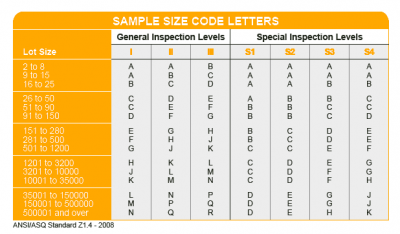 AQL Table | How to Read It
 TOP 10 Common Defects in Garments Quality Inspection
 Product Packaging and Shipment Label requirements for Amazon FBA
 What Is ASTM-F2413-18? Protective Footwear Standard
 How to Conduct Third-Party Quality Control Inspections for Electric Scooters
 SMETA Audit-What is SMETA Audit?
 TESTCOO Supplier Verification/Certification Service SLCP, Higg FEM, GRS, GOTS
 Quality Control Inspection Company in China
 What is Quality Inspection? A Complete Guide
 Guidelines for Product Inspection in India
Category
- Production Inspection Service
- Factory Audit
- Softline Inspection
- Hardline Inspection
- Electrics Inspection
- Certification
- Checklist
- Manufacturers
- Quality Assurance Basics
- Products Recall
- AQL
- Guidence and Standard
- News
- Supplier Management
- Amazon
- Protective Equipment
- e-commerce quality control
- Indian Manufacturing
- Soft Goods Quality Control
- Supply Chain Management
- Supply Chain Resilience
- E-Commerce Quality Control
- ISO 2859
- Supply Chain Optimization
- Garment Industry
- Higg Index