


How Environmental and Social Audits Strengthen Brand Reputation in Singapore
In recent years, sustainability has moved from a “nice-to-have” to a core requirement for global manufacturing. Nowhere is this shift more evident than in Singapore, where tightening environmental regulations, rising global expectations for responsible sourcing and mandatory sustainability reporting have redefined how companies must operate. Environmental and social audits have become essential tools for manufacturers who aim not only to comply with regulations but also to build a trusted, future-ready brand.
As Singapore strengthens its climate commitments, manufacturers across key sectors like electronics, machinery and chemicals are under increasing pressure to adopt cleaner practices, ensure supplier compliance and meet international sustainability standards. For those seeking to secure long-term global buyers, robust environmental and social governance is no longer just an advantage—it is a competitive necessity.
Why Sustainability Has Become a Strategic Priority for Singapore’s Manufacturing Sector
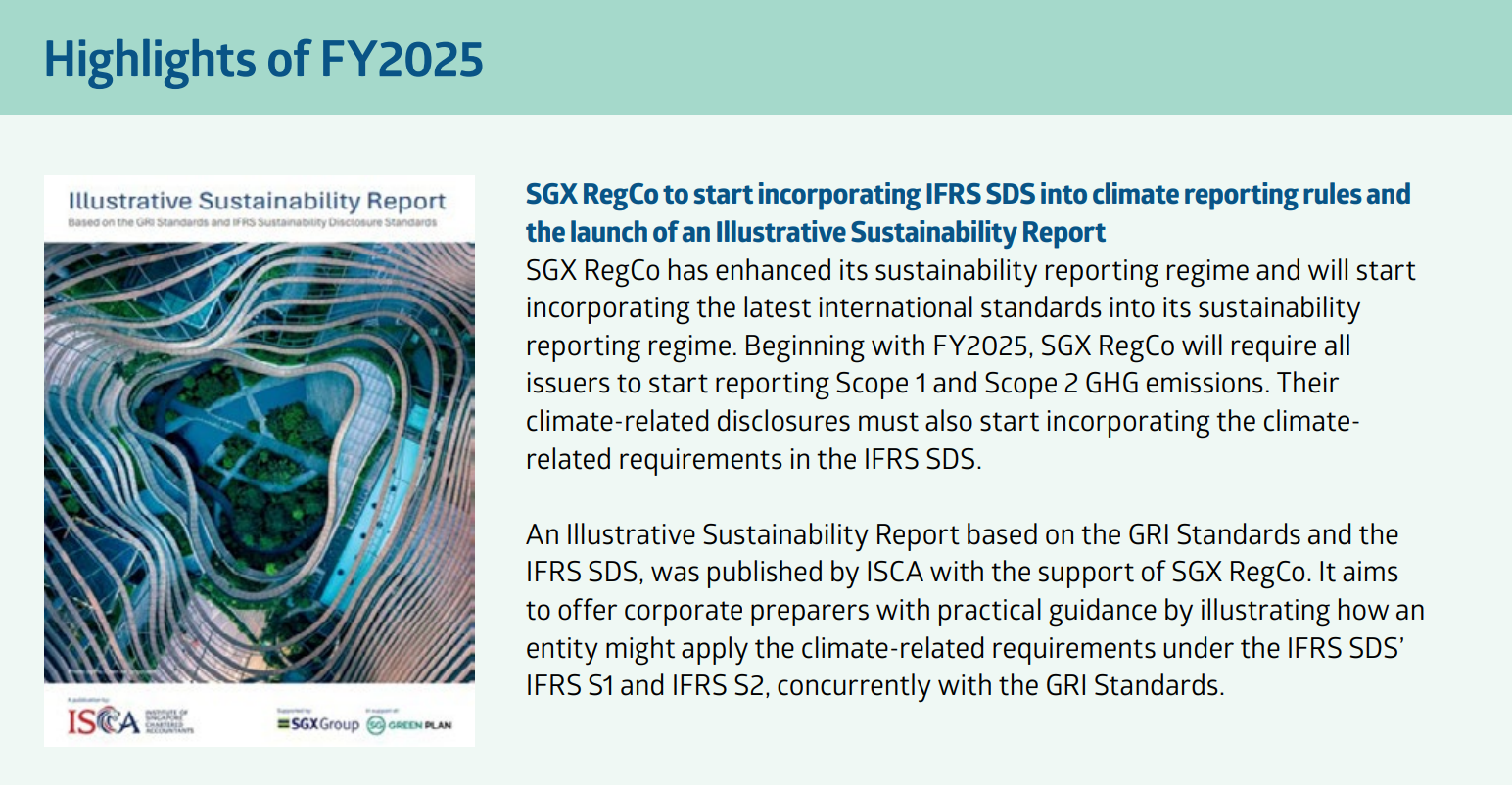
Singapore has established itself as a regional leader in sustainable manufacturing, driven by national initiatives that are accelerating the adoption of environmental and social audits. Stricter environmental regulations, mandatory sustainability reporting from FY2025 and ambitious carbon-reduction strategies are compelling manufacturers across all sectors to enhance their compliance and transparency.
For local manufacturers, sustainability is not merely about compliance. It directly influences:
- Brand reputation and trustworthiness
- Access to international partners and supply chains
- Operational efficiency and cost control
- Market positioning in high-value global industries
As more multinational companies require suppliers to meet environmental and social criteria, audits have become essential for Singaporean companies that want to maintain or expand global partnerships.
What Environmental Audits Examine in Singapore’s Manufacturing Operations
Energy Efficiency
Energy efficiency is a cornerstone of environmental audits within Singapore's manufacturing landscape, a crucial focus given the city-state's limited resources and high cost of energy imports. Audits involve a close examination of a facility's energy consumption patterns, including a thorough assessment of machinery and equipment efficiency. This scrutiny is especially rigorous in the electronics sector, where energy-intensive processes like semiconductor fabrication are common. Auditors will verify whether a company utilizes the latest generation of energy-efficient equipment, as outdated models can significantly inflate operational costs and enlarge the carbon footprint.
Waste Management
Waste management is another critical aspect of environmental audits in Singapore's manufacturing operations. Singapore has been increasingly focused on reducing waste sent to landfills and promoting recycling and resource recovery. Audits will assess a company's waste - generation processes, including the types and quantities of waste produced. Since chemical reactions may generate hazardous waste, the audit will ensure the company has established proper procedures for its handling, storage and disposal, in accordance with National Environment Agency (NEA) regulations.
Manufacturers are also expected to implement comprehensive waste-reduction strategies, which typically focus on two key areas: source reduction and recycling. Source reduction aims to minimize waste at the production stage; a food-processing company, for example, might optimize its packaging design to use less material without compromising product safety. Alongside this, recycling initiatives are crucial. Audits will verify whether a company has in-house recycling capabilities or has established partnerships with external facilities. This is particularly relevant for electronics manufacturers, many of whom have set up sophisticated programs to recover valuable materials like copper, gold and rare-earth elements from old or defective products.
Carbon Emissions
In line with Singapore's commitment to achieve net-zero emissions by 2050, carbon footprint reduction is a central focus of environmental audits. These audits calculate a facility's total emissions, accounting for both direct sources like on-site generators and indirect emissions from purchased electricity. The process also includes a critical evaluation of a company's efforts to mitigate emissions from specific operations, such as the high-temperature kilns used in building material manufacturing, where strategies like using cleaner fuels or improving energy efficiency are assessed.
Use of Environmentally Friendly Materials
The use of environmentally-friendly materials in manufacturing processes is becoming increasingly important in Singapore. Environmental audits will examine the raw materials used by a company to determine their environmental impact. In the textile manufacturing industry, the use of organic cotton or recycled polyester is seen as more environmentally friendly compared to traditional cotton production, which often requires large amounts of water and pesticides. The audit will check if the company is sourcing materials from sustainable suppliers and whether it has a preference for materials with a lower environmental impact.
Many Singaporean manufacturers are exploring the use of biodegradable and recycled materials, prompting a shift from traditional plastics to sustainable alternatives in industries like packaging. The audit will evaluate this transition by examining factors such as cost-effectiveness, availability and performance. Furthermore, it will verify the accuracy of product labeling designed to inform consumers about these environmentally-friendly materials—a transparency crucial not only for consumer awareness but also for building a positive brand image.
Read More: Decoding 2025 Sustainability Audits: Survival Guide for Forward
How Social Compliance Audits Improve Trust Between Singapore Suppliers and Global Buyers
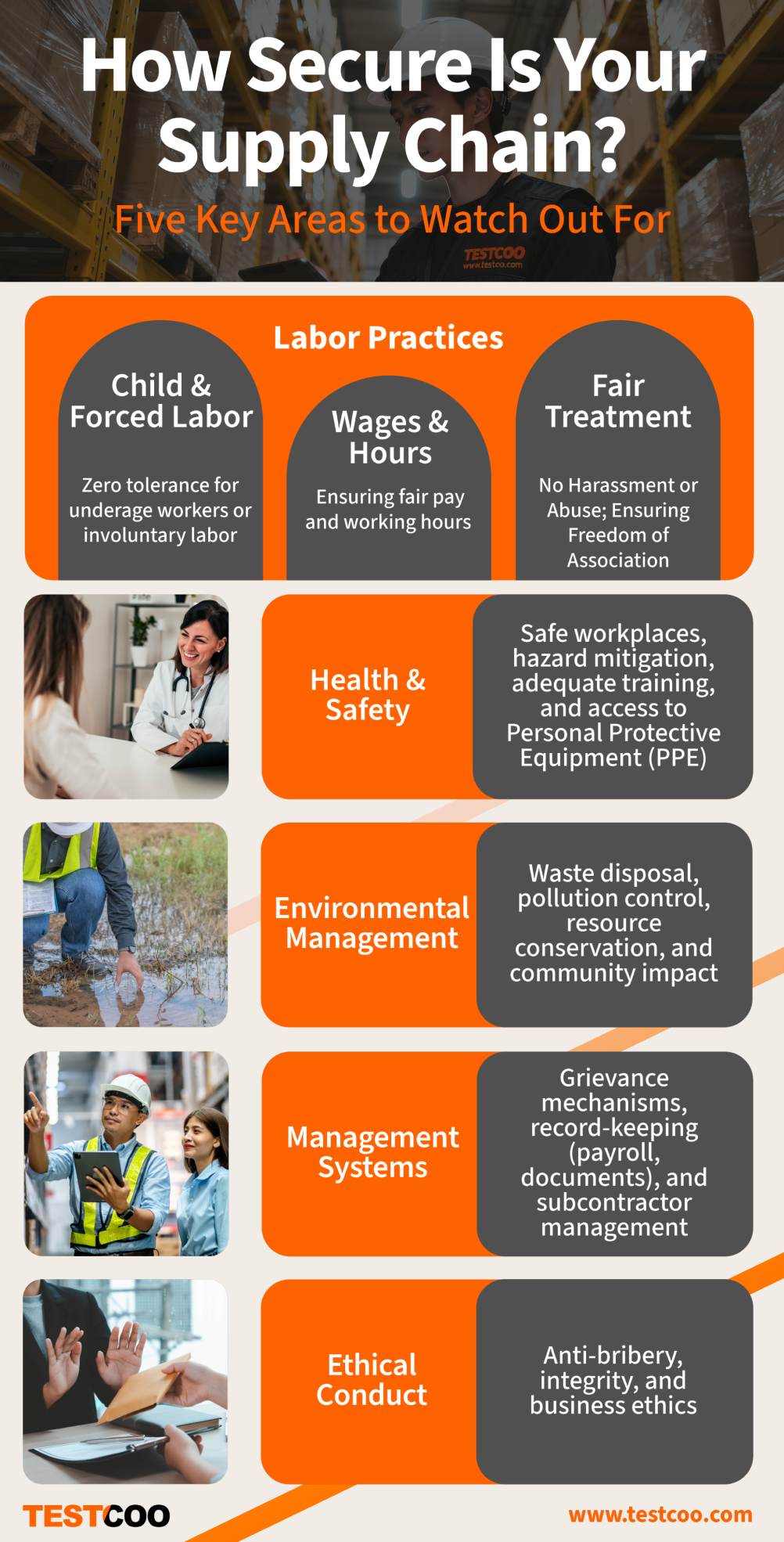
Social compliance audits are pivotal for building trust between Singaporean suppliers and their global buyers. These comprehensive evaluations scrutinize a company's social responsibilities by focusing on its labor practices and workplace conditions.
Audits thoroughly examine labor practices to ensure the absolute prohibition of child or forced labor. Within Singapore's significant garment manufacturing industry, this involves verifying that all employees are hired above the legal working age of 16 and on a purely voluntary basis, with no signs of coercion or forced overtime. This process confirms adherence to Singapore's strict labor laws.
Worker health and safety is another critical focus, addressing potential hazards from chemical exposure, heavy machinery operation and ergonomic risks. In high-risk environments like a chemical manufacturing plant, auditors will specifically verify that workers handling hazardous substances are provided with appropriate personal protective equipment (PPE), such as chemical-resistant gloves, goggles and respiratory protection. More broadly, inspections confirm the implementation of proper safety measures, from installing machinery guards to conducting regular safety training.
Working hours and overtime management are also closely scrutinized. Audits check company time-keeping records to ensure compliance with Singaporean labor laws, which regulate the maximum weekly working hours—typically 44—and mandate appropriate compensation for any overtime. A company found to be regularly exceeding these legal limits without proper pay would face significant negative findings in its audit report.
Read More: Product Inspection Builds Buyer Trust in Malaysia and Singapore | Testcoo
How Adhering to NEA Environmental Regulations Enhances Corporate Reputation in Singapore
In Singapore, the National Environment Agency (NEA) defines the environmental standards for the manufacturing sector. Compliance with its comprehensive regulations is a legal necessity, but it also serves as a powerful tool for enhancing corporate reputation.
The NEA's impact is particularly significant in its enforcement of strict air and water quality standards, a critical measure for the highly urbanized city-state. Manufacturing processes face firm emission limits for pollutants like particulate matter, sulfur dioxide and nitrogen oxides. In the petrochemical industry, this translates to a mandate for advanced emission-control technologies to ensure operations remain within permitted levels. Adherence to these regulations allows companies to protect both the environment and community health, reinforcing their public commitment to sustainability.
Moving beyond mere compliance to proactively engage in environmental initiatives offers a distinct competitive edge. A company that invests in research and development for greener products or processes can position itself as an industry leader in sustainability, attracting positive media and public recognition. This positive brand image is often solidified when forward-thinking Singaporean companies win prestigious, NEA-sponsored environmental awards, demonstrating their leadership both locally and internationally.

How ESG Audits Help Singapore Manufacturers Reduce Risk and Improve Performance
Risk Identification
ESG audits are a powerful risk-identification tool for Singaporean manufacturers, detecting potential environmental issues like non-compliance with energy-efficiency regulations. An audit can identify a company's failure to monitor its energy consumption, a practice that risks exceeding government-set intensity limits. This early detection allows the company to take corrective actions, such as upgrading its energy-management systems or investing in more efficient equipment.
From a governance perspective, ESG audits identify risks embedded in corporate decision-making structures. A board of directors that lacks diversity in gender, expertise, or background, for example, may struggle to make well-informed decisions. An ESG audit would highlight this specific governance risk, prompting the company to diversify its board membership to enhance its strategic oversight and decision-making capabilities.
Operational Efficiency
ESG audits often drive significant improvements in operational efficiency. In energy management, an audit can pinpoint specific areas for consumption reduction. A food-processing company, for instance, might discover that its outdated refrigeration systems are consuming excessive energy. By replacing these systems with modern, energy-efficient models, the company not only reduces its environmental footprint but also lowers operational costs and improves productivity by producing more with the same energy input.
Cost Control
ESG audits play a crucial role in cost control by helping companies avoid expensive fines and penalties. A chemical manufacturer that fails to comply with the National Environment Agency’s regulations on hazardous waste disposal could face substantial financial repercussions. An ESG audit ensures the company’s disposal processes are fully compliant, shielding it from these potential losses.
Supply Chain Stability
By undergoing ESG audits, Singaporean manufacturers can enhance their supply chain stability. Many multinational corporations now mandate high ESG standards for their suppliers, making a demonstrated commitment to sustainability a key factor in maintaining relationships with international buyers. A Singaporean textile manufacturer that consistently passes social compliance audits, thereby guaranteeing fair labor practices, is far more likely to be retained as a trusted supplier by a major international fashion brand.
Read More: Southeast Asia Product Market Access: Key Regulations
Frequently Asked Questions (FAQs)
1. Why are environmental and social audits important for manufacturers in Singapore?
Environmental and social audits help Singapore manufacturers comply with tightening national regulations, meet international buyer expectations and demonstrate responsible business practices. These audits also reduce operational risks, strengthen market credibility and support long-term competitiveness.
2. How do environmental audits improve a company’s reputation with global buyers?
Environmental audits verify that a company manages emissions, waste and energy responsibly. Global buyers trust suppliers who can provide transparent, data-based evidence of compliance, which reduces their supply chain risks and enhances brand reliability.
3. What standards do Singapore manufacturers commonly follow for environmental and social compliance?
Manufacturers often follow ISO 14001 for environmental management, ISO 45001 for occupational safety, SA8000 and SMETA for social responsibility and SLCP or Higg FSLM for labor and sustainability evaluations. These standards help demonstrate strong ESG performance to international partners.
4. How do social audits help prevent labor and ethical risks in the supply chain?
Social audits assess working conditions, wages, safety protocols and labor practices. They help identify issues such as excessive overtime, unsafe environments, or unethical labor use. Early detection allows companies to correct problems before they harm the brand.
5. Which industries in Singapore have the strongest need for ESG audits?
Industries with high environmental impact or complex global supply chains have the greatest need for ESG audits in Singapore. These include electronics and semiconductors, chemicals and petrochemicals, precision engineering, food manufacturing, logistics and large-scale consumer goods production. Companies in these sectors face increasing regulatory requirements and growing expectations from international buyers to demonstrate responsible and sustainable operations.
How Testcoo Supports Singapore Manufacturers in Achieving ESG Excellence
As a leading provider of quality control and compliance services, Testcoo is instrumental in guiding Singaporean manufacturers toward Environmental, Social and Governance (ESG) excellence. Leveraging in-depth industry expertise, Testcoo delivers tailored solutions that empower manufacturers to meet international sustainability requirements, strengthen their brand reputation, and mitigate critical supply chain risks.
Testcoo provides comprehensive environmental and social auditing solutions tailored to Singapore’s regulatory landscape and global buyer expectations. Our strengths include:
1. Global Network with Local Expertise
We support audit services across Asia, Europe and the Americas, ensuring consistent quality for multinational supply chains. Our teams understand local manufacturing practices and global sustainability standards simultaneously.
2. Deep Experience with International Standards
Testcoo auditors are trained in ISO 14001, ISO 45001, SA8000, SMETA, SLCP, Higg FSLM, GPSR and country-specific environmental regulations.
3. Customized Audit Programs
We develop tailored environmental and social audit frameworks based on client industry, product category and compliance objectives.
4. Fast Reporting and Clear Communication
Testcoo delivers audit reports within 24 hours, ensuring clients receive timely visibility into supplier performance.
5. Transparent and Competitive Pricing
No hidden fees. Clear service structure. Strong cost-performance ratio.
With Testcoo’s support, Singapore manufacturers can strengthen compliance, build long-term trust and enhance brand reputation in global markets.
Why ESG Audits Are Now Essential for Singapore’s Brand Reputation and Global Success
ESG audits have become an indispensable element for Singapore's manufacturing sector in its pursuit of brand reputation and global success. The confluence of regulatory pressures, global customer expectations and the need for brand safety has catapulted sustainability to the forefront of corporate strategies.
Singaporean manufacturers that embrace ESG audits are better positioned to meet the stringent requirements of international markets. By demonstrating a commitment to environmental protection, social responsibility and good governance, they can enhance their brand reputation, build trust with global buyers and gain a competitive edge in the global marketplace.



Free Sample Report Performance Quality Control
Download a sample report to keep control of your supply chain!

Featured Articles
 AQL Table | How to Read It
 TOP 10 Common Defects in Garments Quality Inspection
 Product Packaging and Shipment Label requirements for Amazon FBA
 What Is ASTM-F2413-18? Protective Footwear Standard
 How to Conduct Third-Party Quality Control Inspections for Electric Scooters
 SMETA Audit-What is SMETA Audit?
 TESTCOO Supplier Verification/Certification Service SLCP, Higg FEM, GRS, GOTS
 Quality Control Inspection Company in China
 What is Quality Inspection? A Complete Guide
 Guidelines for Product Inspection in India
Category
- Production Inspection Service
- Factory Audit
- Softline Inspection
- Hardline Inspection
- Electrics Inspection
- Certification
- Checklist
- Manufacturers
- Quality Assurance Basics
- Products Recall
- AQL
- Guidence and Standard
- News
- Supplier Management
- Amazon
- Protective Equipment
- e-commerce quality control
- Indian Manufacturing
- Soft Goods Quality Control
- Supply Chain Management
- Supply Chain Resilience
- E-Commerce Quality Control
- ISO 2859
- Supply Chain Optimization
- Garment Industry
- Higg Index