


Caught in the Middle: How During Production Inspection Safeguards Your Supply Chain
In the complex, fast-paced world of global manufacturing, a silent drama often unfolds thousands of miles from a brand’s headquarters. In a factory, production lines hum, components assemble, and products begin to take shape. Meanwhile, a procurement manager on another continent sleeps, their trust placed in contracts, specifications, and hope. Between that hope and a successful shipment lies a critical, often underestimated checkpoint: the During Production Inspection (DUPRO). More than just a quality control step, DUPRO is a strategic risk management tool, a collaborative process, and the most effective means to ensure that what was ordered is what is being built, long before it’s too late.
This deep dive explores why DUPRO is the unsung hero of supply chain management, detailing its processes, profound benefits, and how to implement it for maximum impact.
What is During Production Inspection?
A During Production Inspection is a structured, on-site verification activity conducted after production has begun (typically at the 15%-80% completion stage) and before final packaging. It is not a check of the first sample, nor is it the final audit before shipping. Instead, DUPRO exists in the crucial middle ground—the manufacturing "sweet spot" where enough of the product is available to assess true production quality, yet enough time remains to correct critical issues without derailing the shipment schedule.
Think of it as a medical check-up mid-course of treatment. The diagnosis (product development and sampling) is done, the treatment (mass production) is underway, and the DUPRO assesses whether the patient is responding correctly, allowing for a mid-course correction if needed.
Read more: During Production Inspection: A Complete Guide to Smarter Quality Control
The Core Components of a Comprehensive DUPRO
A well-executed DUPRO is a multi-faceted examination. Professional third-party inspection companies typically follow a standardized checklist, but it generally encompasses four key areas:
1. Verification of Production Status & Configuration:
This is the foundational step. The inspector confirms that mass production has genuinely commenced and determines the exact stage (e.g., "60% of units are assembled, 20% are packed").
They verify that the factory is producing the correct product version, using approved materials and components. This involves checking:
- Bill of Materials (BOM): Cross-referencing raw materials and parts against the approved BOM.
- Approved Samples: Ensuring the production units match the color, design, and function of the client-approved pre-production samples.
- Production Line Setup: Observing if the assembly processes follow the agreed-upon workflow and standards.
2. In-Process Quality Control (IPQC) Assessment:
Here, the inspector evaluates the factory’s own internal quality systems. Are they effective, or merely a paper exercise? This includes:
- Checking QC Records: Reviewing the factory’s first-article inspections, inline checks, and test records.
- Equipment Calibration: Verifying that testing equipment (e.g., torque gauges, multimeters, color spectrophotometers) is properly calibrated.
- Operator Competence: Observing line workers to ensure they are trained and following standard operating procedures.
3. Product Quality Evaluation via AQL Sampling:
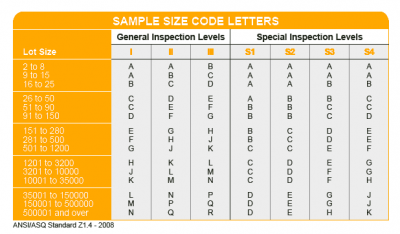
The heart of the DUPRO is a statistical evaluation of the product itself. Inspectors use the Acceptable Quality Limit (AQL) standard (ISO 2859-1) to randomly select a sample from the finished, semi-finished, and packaged units available. This sample is then meticulously inspected for:
- Critical Defects: Those rendering the product unsafe or non-functional (e.g., faulty wiring on an appliance, a choking hazard on a toy). AQL tolerance for these is typically 0%.
- Major Defects: Those likely to result in product failure or significantly reduce usability/salability (e.g., a torn garment seam, a major scratch on furniture, incorrect labeling). Low AQL tolerance (e.g., 2.5%).
- Minor Defects: Minor imperfections not affecting function but possibly impacting perceived quality (e.g., slight color variation, small, non-sharp burrs). Higher AQL tolerance (e.g., 4.0%). The inspection covers workmanship, function, dimensions, weight, safety, packaging, and labeling. Units are tested, measured, and compared directly to the specification sheet and approved sample.
4. Production Capacity & Social/Legal Compliance Spot-Check:
While not as deep as a dedicated audit, a DUPRO offers a snapshot of the factory environment. The inspector will note:
- Production Rate: Is the output aligned with the production plan to meet the deadline?
- Working Conditions: Basic observations regarding cleanliness, safety (fire exits, extinguishers), and child labor.
- Documentation: Spot-checking certificates for materials or components if required (e.g., FDA letters, material test reports).
The Pivotal Advantages: Why DUPRO is Non-Negotiable
The value of a DUPRO transcends simple defect detection. It provides layered benefits that protect your brand, your budget, and your timeline.
1. Risk Mitigation at the Optimal Time (The "Golden Window"):
This is DUPRO’s superpower. A final random inspection occurs when 100% of the order is packed and ready to ship. Finding a critical defect then creates a nightmare: do you ship defective goods, demand a costly and delayed 100% rework, or cancel the order and scramble for stock? A DUPRO, by contrast, finds these issues during production. If a component is wrong or a process is flawed, you have weeks, not days, to correct it. The factory can rework semi-finished goods, order correct materials, and adjust processes without catastrophic delay or excess cost.
2. Cost Avoidance and Financial Protection:
Catching defects early is exponentially cheaper. The cost of reworking 1,000 semi-finished units on the production line is a fraction of the cost to:
- Ship defective goods internationally, only to reject them upon arrival.
- Arrange for returns, repairs, or destruction overseas.
- Deal with customer returns, refunds, and loss of goodwill in your market.
- Face potential liability claims from safety-related defects. The modest fee of a DUPRO is one of the highest-return investments in the entire supply chain.
3. Enforcing Specifications and Preserving Brand Integrity:
Factories, often under cost pressure, may make unauthorized substitutions—a cheaper fabric, a different paint, a non-approved subcontractor. A DUPRO acts as an independent enforcer. The physical presence of an inspector, checking materials against the BOM, ensures compliance. This protects your brand from the reputational damage of selling a subpar product that doesn’t meet the quality your customers expect.
4. Improved Supplier Relationships (Shifting from Police to Partner):
While it may seem adversarial, a professionally conducted DUPRO actually fosters better collaboration. It moves quality issues from the emotional, high-stress moment of final rejection to a calmer, problem-solving phase. The dialogue becomes: "We found this issue at 40% completion. How can we work together to fix it for the remaining 60%?" It transforms the client from a distant critic into an engaged partner, building trust and driving continuous improvement at the supplier.
5. Data-Driven Decision Making:
A DUPRO report is not just a pass/fail ticket. It’s a rich data source. It provides quantified defect rates, photographic evidence, and clear insight into the factory’s operational health. Over time, this data allows you to benchmark suppliers, identify chronic issues (e.g., a particular factory always has packaging problems), and make informed sourcing decisions.
When is a DUPRO Most Critical?
While beneficial for almost any order, DUPRO is indispensable in these scenarios:
- New Supplier or Product: When working with an unproven factory or launching a new, complex product.
- High-Value or High-Risk Orders: For expensive goods (electronics, machinery) or those with safety/regulatory implications (children’s products, medical devices, food contact items).
- Long Production Runs: For orders of 10,000 units or more, where the cost of a defect is multiplied.
- Historically Problematic Suppliers: For factories with a known record of quality fade or non-compliance.
- Complex Assemblies: Products requiring multiple components and assembly stages (e.g., furniture, bicycles, appliances).

Implementing an Effective DUPRO Strategy: A Practical Guide
1. Define Clear, Measurable Specifications:
The DUPRO is only as good as the standard it measures against. Provide your inspector with crystal-clear documents: detailed spec sheets, approved samples (physically or with high-res photos), a complete BOM, exact packaging mock-ups, and the AQL limits you wish to apply.
2. Choose the Right Timing:
The 20%-80% completion rule is a guideline. For a two-week production run, aim for 50% completion. For a two-month run, you might schedule two DUPROs: one early (~20%) to catch material/component issues, and one later (~70%) to assess finished quality.
3. Select a Competent Inspection Partner: Don’t rely on the factory’s cousin who speaks English. Hire a reputable third-party inspection company. They provide objectivity, expertise, and standardized methodology. Look for firms with experience in your product category, certified inspectors, and robust reporting platforms.
4. Act on the Findings:
The inspection report is worthless without action. Review it immediately. For critical defects, demand an immediate production halt and a corrective action plan from the factory. For major/minor defects exceeding AQL, require sorting and rework of the current batch and process corrections for the remainder. Use the findings as a basis for negotiation on price adjustments or future business terms.
5. Integrate DUPRO into Your Broader Quality Ecosystem:
DUPRO should not stand alone. It is most powerful as part of a Quality Control Cascade:
- Stage 1: Factory Audit & Sample Approval (Factory Audit qualifies the supplier and the design).
- Stage 2: During Production Inspection (DUPRO verifies the production process).
- Stage 3: Final Random Inspection (FRI confirms the final output).
- Stage 4: Loading Supervision (LS ensures correct quantity and prevent shipping damage).
Read more: Detailed Explanation of Third-Party Inspections: FAI, IPC, DUPRO, FRI, PSI, CLC
Frequently Asked Questions (FAQ)
Q1: What’s the main difference between a During Production Inspection (DUPRO) and a Final Random Inspection (FRI, or Pre-Shipment Inspection)?
This is the most common point of confusion. The key difference is timing and purpose.
- DUPRO is conducted while production is ongoing (15-80% complete). Its primary purpose is process verification and early problem-solving. It answers: "Is production being done correctly, and can we fix issues before it's too late?"
- FRI/Pre-Shipment is conducted after 100% of the order is finished and packed, just before shipment. Its primary purpose is lot acceptance. It answers: "Is this completed batch good enough to ship?" A DUPRO is proactive; an FRI is a final gate.
Q2: How much does a DUPRO cost, and is it worth it for a small order?
Costs vary by region, product complexity, and order size, but typically range from $250 to $300 per inspector-day. For a standard inspection of one product at one factory, you can expect to pay in the middle of that range. For a small order, the calculation is about risk versus cost. If a failed shipment would cripple your business, bankrupt your startup, or irrevocably damage a key customer relationship, then the DUPRO is a crucial insurance policy. It can be the difference between a manageable mid-production fix and a business-ending disaster upon delivery.
Q3: What happens if the DUPRO fails? Who pays for the rework?
The DUPRO report provides factual data; "pass/fail" is your decision based on that data and your AQL standards. If critical defects are found, production should be halted. The responsibility and cost for rework almost always fall on the supplier, as they have failed to meet the contractual specifications. The purchase order or quality agreement should clearly state that the buyer is not liable for the cost of correcting non-conforming products. The DUPRO report becomes the key evidence in negotiating this resolution.
Q4: Can't I just rely on the factory’s own QC team?
You can, but you are then relying on their self-reporting without independent verification. A factory's QC team has inherent conflicts of interest: production pressure, cost targets, and loyalty to their employer. A third-party inspector is your dedicated eyes and ears, working solely for your interests. They provide an unbiased assessment, often catching issues the factory's team may overlook or intentionally ignore. It's a fundamental check-and-balance.
Q5: How do I choose the right inspection company, and what should I look for in their report?
Choose a company with:
- Industry-Specific Experience: Inspectors familiar with your product type.
- Global Coverage: Presence in the region where you manufacture.
- Transparent Process: Clear checklists and methodology.
- Detailed Reporting: Look for a sample report.
A high-quality DUPRO report must include:
- Executive Summary: Clear pass/fail status against your AQL.
- Quantitative Data: Defect quantities and percentages by severity.
- Visual Evidence: Clear, annotated photos of defects, materials, and production status.
- Specific Findings: Detailed descriptions of each non-conformity, referenced to your spec sheet.
- Objective Factory Assessment: Notes on production capability, housekeeping, and QC systems.
- Clear Recommendations: Suggested actions for the supplier.
Testcoo is Your Trusted Partner Beyond Inspection, Towards Assurance
In today’s hyper-competitive market, where brand reputation is fragile and supply chains are stretched, leaving product quality to chance is a profound risk. The During Production Inspection is an act of prudent commercial stewardship.
It moves quality management from a reactive, fire-fighting mode to a proactive, strategic function. It provides the visibility and control that brands desperately need over distant manufacturing processes. At Testcoo, we specialize in third-party product inspections including DUPRO to help businesses implement effective quality control strategies. Testcoo delivers industry-specific inspection expertise with global coverage, transparent inspection processes, and detailed, actionable reporting you can trust.


Free Sample Report Performance Quality Control
Download a sample report to keep control of your supply chain!

Featured Articles
 AQL Table | How to Read It
 TOP 10 Common Defects in Garments Quality Inspection
 Product Packaging and Shipment Label requirements for Amazon FBA
 What Is ASTM-F2413-18? Protective Footwear Standard
 How to Conduct Third-Party Quality Control Inspections for Electric Scooters
 SMETA Audit-What is SMETA Audit?
 TESTCOO Supplier Verification/Certification Service SLCP, Higg FEM, GRS, GOTS
 Quality Control Inspection Company in China
 What is Quality Inspection? A Complete Guide
 Guidelines for Product Inspection in India
Category
- Production Inspection Service
- Factory Audit
- Softline Inspection
- Hardline Inspection
- Electrics Inspection
- Certification
- Checklist
- Manufacturers
- Quality Assurance Basics
- Products Recall
- AQL
- Guidence and Standard
- News
- Supplier Management
- Amazon
- Protective Equipment
- e-commerce quality control
- Indian Manufacturing
- Soft Goods Quality Control
- Supply Chain Management
- Supply Chain Resilience
- E-Commerce Quality Control
- ISO 2859
- Supply Chain Optimization
- Garment Industry
- Higg Index