


Leveraging Digital Quality Platforms: How Vietnam Brands Build Buyer Trust Globally
As global buyers become more cautious about supply chain risks, transparency and verifiable quality have become decisive factors when sourcing from Vietnam. While competitive pricing and strong manufacturing capacity remain important, they are no longer enough to secure long term buyer trust. International buyers increasingly expect real time visibility into production, documented quality processes and reliable proof of compliance with global standards.
Digital quality platforms are helping Vietnam brands meet these expectations. By integrating inspections, audits, traceability and reporting into centralized systems, manufacturers can demonstrate credibility, reduce communication gaps and build confidence with overseas partners. For Vietnam exporters aiming to strengthen their global presence, adopting digital quality management is no longer optional but strategic.
Why Do Digital Quality Platforms Matter for Vietnam’s Global Expansion?
International trade dynamics have shifted, making digital quality platforms essential for Vietnamese brands targeting global markets. These tools are no longer optional add-ons but necessary infrastructure to align with current international standards.Transparency as a Standard.
Meeting Transparency Demands
Buyers in developed markets insist on full visibility into production and supply chains. They require granular details ranging from raw material origins to manufacturing protocols. Vietnamese brands must provide this data instantly to compete. In the garment industry, digital platforms allow manufacturers to display the precise origin of fabrics, verifying sustainable farming or recycled materials for eco-conscious clients. This openness builds trust and helps Vietnamese products stand out in a saturated market.
Ensuring Traceability
Tracking a product’s entire history is now a baseline requirement in sectors like food, pharmaceuticals and electronics. Retailers and consumers want proof of the journey from farm to table. For Vietnam’s coffee, rice and seafood exporters, meeting these standards is critical. Technologies like blockchain and IoT record every step of the process. A coffee shipment’s digital record can include specific data on fertilizers, weather conditions, packaging and shipping. This precision reassures buyers about safety and minimizes the financial risks associated with contamination or recalls.
Authenticating Certifications
Certifications serve as proof of compliance, yet the rise of counterfeit documentation has created skepticism. Digital platforms solve this by validating these credentials through secure systems. A Vietnamese furniture exporter holding an FSC certification can upload the document to a platform that uses encryption to confirm its legitimacy. Buyers can then instantly verify the sustainable sourcing of the wood. This capability protects the reputation of Vietnamese brands and clears the path to premium business opportunities.
Digital quality platforms effectively link Vietnamese brands with the expectations of international partners. By adopting these tools to address transparency, traceability and authentication, local companies can secure their place in the global economy.
Read More: Vietnam: A Booming Hub for Quality Inspections and Audits

How Do Digital Platforms Ensure Product Authenticity and Full Traceability?
Global buyers now view product authenticity and traceability as standard operational requirements rather than optional value-adds. Digital platforms provide the necessary infrastructure for Vietnamese brands to align with these international expectations.
Technology-Driven End-to-End Visibility
Achieving full traceability requires integrating advanced data capture directly into the production cycle. Vietnamese coffee producers utilize IoT sensors on farms to monitor soil moisture, temperature and sunlight exposure, transmitting this real-time data to a central quality system. As beans progress from harvest to roasting, blockchain technology secures the record against alteration. Distribution involves attaching QR codes or RFID tags to packaging, allowing buyers to scan and instantly access the product’s history. This digital footprint verifies critical details including the specific Dak Lak growing region, processing methods and the shipping route, granting end-users an uninterrupted view of the supply chain.
Granular Supply Chain Mapping
Digital tools allow exporters to document every phase of the product lifecycle. Seafood exporters use these systems to log shrimp farming variables such as water quality, feed types and sustainability practices. The platform tracks movement to processing facilities, recording specific techniques like freezing or canning alongside quality control results. Beyond logistics, these tools validate origin specificity. Bamboo handicraft manufacturers can identify the exact plantation source, assuring buyers of material quality and sustainable forestry practices.
Combating Counterfeits and Boosting Global Buyer Trust Precision in Batch Management
Platform-based batch records offer a higher tier of quality control imperative for regulated industries. Pharmaceutical manufacturers assign unique identifiers to production runs, logging supplier data and raw material batch numbers. This granular oversight allows companies to rapidly identify affected products during safety events. In cases of suspected contamination, manufacturers can execute targeted recalls and isolate root causes without disrupting the entire supply chain.
Digital verification serves as a robust defense against counterfeiting. Fashion brands protect their intellectual property by embedding unique digital signatures or holograms linked to the platform. Buyers scanning a designer handbag can immediately confirm its legitimacy, while manufacturers can detect and remove fake items from circulation. This transparency proves adherence to international safety standards and regulatory protocols. By delivering verifiable quality data, Vietnamese brands position themselves as reliable partners capable of meeting the rigorous demands of the global economy.
Read More: What Makes Vietnam one of Asia's Hottest Manufacturing Hubs?
How Can Buyers Verify Certifications and Quality Standards Online?
International buyers now utilize digital integration to rigorously verify the compliance of Vietnamese exports against global benchmarks. These platforms act as the primary validation mechanism, replacing manual checks with automated precision to secure trade integrity.
Integration with Official Registries
Digital quality platforms link directly to official certification databases to establish a single source of truth. Buyers sourcing Vietnamese coffee with GlobalG.A.P. certification can query the official registry instantly through the platform interface. Inputting a unique certification number retrieves critical data points including validity dates, operational scope and specific compliance conditions. This direct connectivity eliminates reliance on static paper documentation and significantly reduces the risk of document fraud or data manipulation.
Interactive Compliance Verification
Advanced platforms utilize interactive modules to validate specific safety standards. Seafood importers requiring HACCP compliance can input batch numbers or facility names to cross-reference data against approved facility lists. The system confirms matches by generating a verification statement detailing the exporter’s safety protocols. This real-time process offers immediate assurance while allowing buyers to audit specific critical control points used to prevent contamination.
Evidence-Based Auditing
Platforms host visual and documentary evidence to substantiate claims of quality management. Handicraft manufacturers holding ISO 9001 certification upload photographic proof of standardized workflows, organized workspaces and employee training sessions. Alongside these visuals, exporters provide digital copies of audit reports and internal quality documentation. Reviewing these materials allows buyers to assess the exporter’s operational culture and depth of commitment to international standards.
Immutable Blockchain Validation
Blockchain technology secures the integrity of sensitive certification data. Textile manufacturers adhering to the OEKO-TEX Standard 100 utilize decentralized ledgers to record every stage of the certification lifecycle, from initial audit to final issuance. Buyers access this tamper-proof record to verify that products are free from harmful substances. The immutable nature of the ledger ensures data authenticity and provides a transparent history of the product’s compliance status over time.
Adopting these digital verification methods allows international buyers to rapidly assess the credibility of Vietnamese exports. This technological approach minimizes trade risk and establishes a transparent framework for global business relationships.
Read More: SLCP Audit: Smarter Social Compliance | Testcoo
How Does Real-time Transparency Improve Buyer Confidence?
Real-time data transparency has become the primary metric for building buyer confidence in Vietnamese brands. Digital integration delivers the immediate, verifiable information necessary to secure trust in the international marketplace.
Live Production Metrics
Electronics manufacturers utilize IoT sensors to stream live production data directly to buyers. Clients monitoring smartphone assembly lines can track output per hour, identify specific batch stages and detect potential bottlenecks instantly. This visibility allows importers to align inventory planning with actual factory throughput. Verifying that production schedules are on target encourages buyers to place larger volume orders with the assurance that demand will be met on time.
Dynamic Ingredient and Nutritional Reporting
Food and beverage exporters leverage digital platforms to broadcast granular ingredient data. Producers of coffee-based energy drinks use these systems to trace bean origins to specific Vietnamese regions while verifying vitamin sources from trusted suppliers. Digital labeling allows for immediate updates regarding formulation changes, such as sugar reduction. This dynamic information flow empowers health-conscious buyers to make purchasing decisions based on current, accurate composition data rather than outdated static labels.
Monitoring Storage and Handling Conditions
Pharmaceutical manufacturers rely on real-time monitoring to maintain strict cold chain integrity. Digital tools track medications requiring specific storage conditions, such as temperatures between 2°C and 8°C. The system alerts buyers immediately to any thermal excursions during transit or warehousing. This continuous feedback loop guarantees product efficacy and safety, assuring clients that sensitive medical shipments have remained within compliance standards throughout the logistics process.
Establishing Trust Through Data Accuracy
Immediate access to accurate quality data fundamentally shifts buyer relationships. Transparency regarding production, composition and logistics establishes a baseline of reliability for Vietnamese exporters. This openness converts one-time transactions into long-term partnerships, as international clients gain full visibility into the integrity of the products they import.
Read More: Vietnam and Thailand Manufacturing Quality Guide | Testcoo
Frequently Asked Questions (FAQs)
1. What is a digital quality platform in manufacturing?
A digital quality platform is a centralized system that manages inspections, audits, traceability and quality data in real time, allowing brands and buyers to monitor product quality across the supply chain.
2. Why do global buyers value digital quality transparency from Vietnam suppliers?
Buyers want clear proof of compliance, consistent quality and reduced risk. Digital platforms provide verified data, inspection records and traceable information that support informed sourcing decisions.
3. How do digital quality platforms improve trust with overseas buyers?
They enable real time reporting, standardized inspection processes and documented compliance, reducing uncertainty and improving communication between suppliers and buyers.

4. Are digital quality platforms suitable for small and medium Vietnam manufacturers?
Yes. Many platforms are scalable and allow manufacturers of different sizes to improve quality control efficiency without heavy investment in internal systems.
5. How can quality partners support digital quality adoption in Vietnam?
Professional quality service providers help integrate inspections, audits and monitoring into digital platforms, ensuring data accuracy, faster reporting and alignment with international standards.
Read More: Compliance and Audit in Vietnam: APSCA, SLCP, SEDEX, Higg Index, GRS
How Do Digital Platforms Support Regulatory Compliance and Market Access?
Regulatory compliance constitutes a primary barrier for Vietnamese brands entering global markets. Digital platforms provide the necessary infrastructure to align operations with the diverse, stringent legal requirements of international trade.
Managing EU Green Deal and Carbon Reporting
The EU Green Deal mandates strict carbon footprint reporting for imports, impacting sectors like textiles heavily. Vietnamese manufacturers utilize digital systems to aggregate emission data across the entire production lifecycle. These platforms track specific energy consumption during dyeing processes, raw material logistics and waste disposal. By consolidating this granular data, exporters can present accurate carbon reports that satisfy European authorities. This digital documentation validates the brand's commitment to sustainability and ensures continued access to the EU market without risking non-compliance penalties.
Adhering to Destination-Specific Standards
Exporting to the United States requires strict adherence to FDA regulations regarding food safety and labeling. Vietnamese coffee producers employ digital management systems to maintain alignment with these federal standards. The platforms record critical quality control data, including facility inspection results, approved pesticide usage and fertilizer application logs. Documenting proper storage and handling procedures protects against contamination and creates an auditable trail that proves adherence to US safety protocols, satisfying both regulators and importers.
Streamlining Market Entry and Certification
Compliance serves as the gateway to high-barrier markets like Japan. Electronics manufacturers target Japanese consumers by meeting rigorous product safety and electromagnetic compatibility standards. Digital repositories manage the required certification documentation, including test reports from accredited laboratories. Centralizing this data allows exporters to respond immediately to regulatory inquiries, significantly reducing entry time and costs. This organized transparency provides Japanese importers with necessary assurances regarding product safety, facilitating smoother commercial partnerships and accelerating market penetration.
What Is the Future of Digital Quality Platforms for Vietnam’s Global Success?
Emerging technological trends in digital quality platforms define the next phase of Vietnam’s international competitiveness. These strategic shifts go beyond simple upgrades to become core operational advantages for brands targeting the global market.
AI-Driven Quality Precision
Artificial Intelligence is transforming quality control from a reactive measure into a real-time, predictive science. Electronic component manufacturers will utilize AI systems to analyze circuitry for microscopic defects invisible to human inspectors. By comparing electrical signals against predefined standards, these systems identify anomalies instantly. This capability accelerates production schedules and drastically reduces waste by removing defective units immediately, ensuring only compliant products reach the packaging stage.
Integrated Connectivity with Blockchain and 5G
The convergence of blockchain with IoT and 5G creates a new standard for supply chain visibility. Agricultural sectors utilize sensors to record real-time crop data including soil conditions and water usage directly to immutable ledgers. High-speed 5G networks ensure this data transfer occurs without latency. Supply chain stakeholders from farmers to end-consumers gain instant access to an unalterable record of the product's origin, securing trust through absolute data integrity.
Data-Led Sustainability Management
Global sustainability demands require precise data management rather than vague commitments. Vietnamese brands will utilize platforms to quantify environmental impacts such as carbon emissions and waste. Footwear manufacturers can monitor energy consumption and material usage to validate their eco-friendly claims. Sharing this granular data with international buyers demonstrates a concrete commitment to environmental stewardship while identifying internal opportunities to upgrade equipment or increase recycled material input.
Automated Regulatory Synchronization
Future platforms will feature automated synchronization with global regulatory changes to prevent compliance gaps. Systems will instantly alert Vietnamese exporters to shifting international standards. A textile manufacturer facing new EU chemical restrictions would receive immediate notifications alongside suggested alternative processes. This automated compliance guidance ensures products remain aligned with the latest legal requirements, preventing market access disruptions and maintaining continuous trade flows.
Embracing these technological evolutions secures Vietnam's position in the global market. Adopting advanced digital quality tools allows brands to meet evolving buyer demands and establish the operational excellence necessary for long-term growth.
Read More: Revolutionizing Quality Control SaaS Platforms | Testcoo
Why Partnering with Testcoo Helps You Build Buyer Trust
Building buyer trust in today’s global market requires more than promises. It demands transparency, consistency and verifiable quality at every stage of production. By combining digital quality platforms with on-the-ground inspection expertise, Testcoo helps brands gain full visibility into their supply chains and demonstrate compliance with international standards.
With a global inspection network, multilingual support, fast response times and flexible service models, Testcoo supports manufacturers and exporters in strengthening quality control, reducing risks and accelerating market access. Whether you are launching a new product or scaling into new regions, our team is ready to help you build confidence with buyers through reliable inspection, audit and quality management solutions.

Free Sample Report Performance Quality Control
Download a sample report to keep control of your supply chain!

Featured Articles
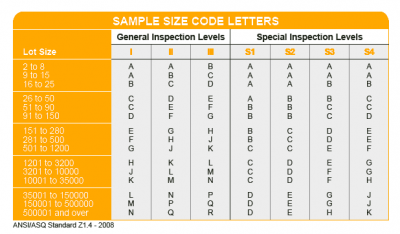 AQL Table | How to Read It
 TOP 10 Common Defects in Garments Quality Inspection
 Product Packaging and Shipment Label requirements for Amazon FBA
 What Is ASTM-F2413-18? Protective Footwear Standard
 How to Conduct Third-Party Quality Control Inspections for Electric Scooters
 SMETA Audit-What is SMETA Audit?
 TESTCOO Supplier Verification/Certification Service SLCP, Higg FEM, GRS, GOTS
 Quality Control Inspection Company in China
 What is Quality Inspection? A Complete Guide
 Guidelines for Product Inspection in India
Category
- Production Inspection Service
- Factory Audit
- Softline Inspection
- Hardline Inspection
- Electrics Inspection
- Certification
- Checklist
- Manufacturers
- Quality Assurance Basics
- Products Recall
- AQL
- Guidence and Standard
- News
- Supplier Management
- Amazon
- Protective Equipment
- e-commerce quality control
- Indian Manufacturing
- Soft Goods Quality Control
- Supply Chain Management
- Supply Chain Resilience
- E-Commerce Quality Control
- ISO 2859
- Supply Chain Optimization
- Garment Industry
- Higg Index