


Safeguarding Your Legacy: The Ultimate Guide to Brand Protection in a Digital Age
↵
In today’s hyper-connected, global marketplace, your brand is your company’s most valuable asset. It’s the sum total of customer perceptions, experiences and trust built over years, sometimes decades. But what happens when that hard-earned reputation is undermined by counterfeit goods, unauthorized sellers, or substandard imitations? The damage can be catastrophic, both financially and reputationally. This is where brand protection moves from a defensive strategy to a critical business imperative.
At Testcoo, we’ve seen firsthand how robust brand protection transforms businesses. It’s not just about legal battles; it’s about proactive vigilance, supply chain integrity and preserving the promise you make to your customers. In this comprehensive guide, we’ll demystify brand protection and provide a actionable blueprint to safeguard what you’ve built.
What is Brand Protection? Defining the Shield
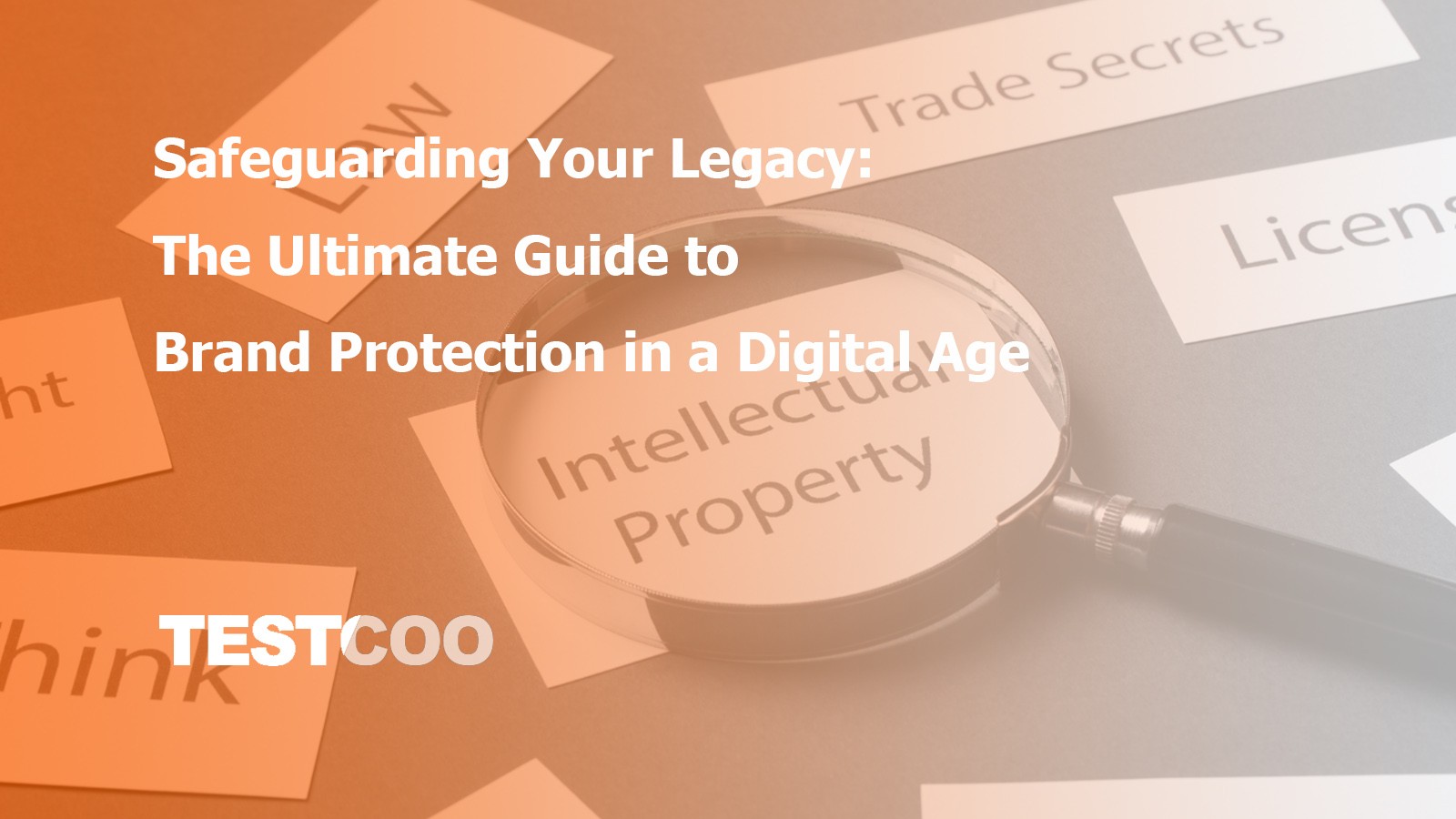
Brand protection is a holistic set of strategies and actions taken to defend a company's intellectual property (IP) and brand integrity against unauthorized use, infringement and dilution. It encompasses the proactive and reactive measures used to combat threats that can erode brand value, revenue and consumer trust.
Think of it as a multi-layered defense system for your brand's identity, covering:
1. Intellectual Property (IP) Rights: Trademarks, copyrights, patents and trade dress.
2. Product Integrity: Combating counterfeits, tampering and diversion (gray market goods).
3. Online Reputation: Managing domain names, social media impersonation and false advertising.
4. Supply Chain Security: Ensuring authentic materials and components are used from manufacture to delivery.
A failure in any one area can have a domino effect. A single batch of counterfeit products reaching the market can lead to safety issues, customer complaints, negative reviews and a long, costly recovery of public confidence.
The High Stakes: Why Brand Protection is Non-Negotiable
The risks of inadequate brand protection are no longer hypothetical; they are quantifiable and severe.
- Financial Losses: The Global Brand Counterfeiting Report estimates losses to exceed $1.9 trillion annually. This includes direct lost sales and the immense cost of enforcement.
- Reputational Damage: Inferior counterfeits that fail or cause harm are often blamed on the genuine brand. This erosion of trust is incredibly difficult and expensive to rebuild.
- Liability & Safety Risks: Counterfeit electronics, pharmaceuticals, automotive parts and toys can pose serious health and safety hazards, opening the brand to devastating lawsuits.
- Dilution of Brand Equity: Every fake product or unauthorized seller cheapens the brand's perceived value and exclusivity.
- Loss of Consumer Confidence: When customers can’t trust the authenticity of your product, they will eventually take their business elsewhere.
Read more about Lead Time Reduction in the Fashion Industry: Why It Matters and How Testcoo Supports Brands

The Pillars of a Modern Brand Protection Strategy
Safeguarding your brand requires a coordinated approach across several key pillars.
1. Secure Your Intellectual Property Legally
This is your foundation. Ensure your trademarks, patents and copyrights are formally registered in every country where you manufacture, sell, or have a significant market. This legal recognition is your primary weapon in enforcement actions.
2. Implement Rigorous Supply Chain Controls
Your supply chain is often the weakest link. Protect it through:
- Vendor Verification: Comprehensive audits and due diligence on all suppliers and manufacturers.
- Product Inspection & Testing: Regular, unannounced inspections at production facilities and before shipment. At Testcoo, our inspectors verify product specifications, materials, quality and packaging to ensure they meet your exact standards and are difficult to replicate.
- Covert Security Features: Integrate holograms, QR codes, NFC chips, or other track-and-trace technologies that are cost-prohibitive for counterfeiters to duplicate.
Read more: Mastering Supplier Quality Management: Mitigating Risk and Enhancing Supply Chain Performance
3. Monitor the Market Relentlessly
You cannot fight what you cannot see. Employ tools and services to scan:
- E-commerce Platforms: Amazon, eBay, Alibaba and regional sites for counterfeit listings and unauthorized sellers.
- Social Media: Facebook, Instagram, TikTok for fake accounts, illicit promotions and grey market sales.
- Physical Markets: Especially in key manufacturing and distribution regions.
- Domain Registrations: For typosquatting and phishing sites.
4. Enforce Your Rights Aggressively and Strategically
Have a clear enforcement protocol:
- Take-Down Notices: Swiftly report and request removal of infringing online listings.
- Customs Recordation: Register your IP with customs authorities worldwide to help them seize counterfeit goods at borders.
- Legal Action: Pursue litigation against persistent infringers to create a deterrent. Collaborate with industry groups and law enforcement for larger operations.
5. Educate Your Partners and Customers
- Channel Partners: Ensure authorized distributors and retailers understand the importance of buying only from legitimate sources.
- Consumers: Create an "Authenticity" page on your website showing how to identify genuine products. Encourage them to purchase only from authorized dealers.

The Critical Role of Proactive Product Inspection
While online monitoring is crucial, the physical product remains the core of the threat. This is where a dedicated inspection partner becomes your eyes and hands on the ground.
Our role in brand protection is tangible and preventative:
- Initial Production Check (IPC): Verifying that raw materials and components from sub-suppliers are authentic and to spec, preventing counterfeits from entering your production line.
- During Production Inspections (DUPRO): Catching deviations in assembly, workmanship and labeling early, before an entire batch is completed incorrectly or fraudulently.
- Final Random Inspections (FRI): The last line of defense before shipment. We meticulously check a statistical sample against your approved master sample, ensuring the finished goods in the cartons are genuine, high-quality and correctly packaged. We document everything with proof-packed reports.
- Loading Supervision (LS): Preventing the switching of goods after inspection and ensuring only the inspected, authentic products leave the factory for your customers.
By embedding inspection checkpoints into your supply chain, you dramatically reduce the risk of counterfeit production at the source and ensure that what leaves the factory is worthy of your brand name.
FAQs on Brand Protection
1. My company is small. Do I really need to worry about brand protection?
Absolutely. Counterfeiters often target emerging brands precisely because they may have less sophisticated defenses. Your brand reputation is vital for growth. Start with the basics: secure your trademarks, vet your suppliers carefully and consider periodic product inspections, especially with new manufacturers. It’s a scalable investment.
2. What's the difference between counterfeit goods and "gray market" goods?
Counterfeit goods are fakes, illegal replicas designed to deceive, often of inferior quality and safety. Gray market goods (or parallel imports) are genuine products but are sold through unauthorized distribution channels, often across different territories without the manufacturer’s consent. While genuine, they can undermine authorized retailers, void warranties and lack proper support. Both require brand protection strategies, but the enforcement approach differs.
3. We found counterfeits online. Sending take-down notices is slow. What else can we do?
Take-downs are essential but can be a game of "whack-a-mole." Escalate your strategy:
- Target the Source: Use data from listings to investigate the seller. Inspection partners can often help trace physical origins.
- Platform Programs: Enroll in platform-specific protection programs (e.g., Amazon Brand Registry, Alibaba IP Protect).
- Payment Disruption: Report the sellers to payment processors to cut off their revenue.
- Public Awareness: Use your social channels to direct customers to authentic outlets, making it harder for fakes to sell.
4. How can product inspection specifically prevent counterfeiting?
Inspections act as a powerful deterrent and detective control. Knowing that an independent, professional inspector will arrive unannounced to scrutinize production and randomly select boxes for verification makes it exponentially harder for a factory to run a "third shift" producing counterfeits. Inspections verify that the product being made is your product, to your standards, in the agreed quantities.
5. Is brand protection a one-time project or an ongoing process?
It is unequivocally an ongoing process. Threats evolve constantly; new online marketplaces emerge, counterfeiters adapt their techniques and supply chains change. Effective brand protection requires continuous monitoring, regular supplier audits, periodic strategy reviews and sustained investment. Think of it as a core business function, like accounting or marketing.
Building an Impregnable Brand Protection Strategy with Testcoo
Brand protection is the stewardship of your company's future. In an era where reputation can be lost with a single viral story about a fake product, a passive approach is a profound risk.
The most resilient brands understand that safeguarding their identity is a strategic priority woven into every part of their operationfrom legal and marketing to supply chain management. They partner with experts, leverage technology and empower their customers.
At Testcoo, we are more than inspectors; we are guardians of integrity. We help you build the physical verification layer of your brand protection strategy, ensuring the products that bear your name are authentic, safe and exemplary.

Free Sample Report Performance Quality Control
Download a sample report to keep control of your supply chain!

Featured Articles
 AQL Table | How to Read It
 TOP 10 Common Defects in Garments Quality Inspection
 Product Packaging and Shipment Label requirements for Amazon FBA
 What Is ASTM-F2413-18? Protective Footwear Standard
 How to Conduct Third-Party Quality Control Inspections for Electric Scooters
 SMETA Audit-What is SMETA Audit?
 TESTCOO Supplier Verification/Certification Service SLCP, Higg FEM, GRS, GOTS
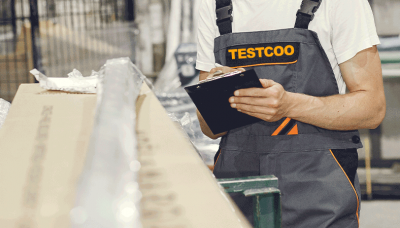 Quality Control Inspection Company in China
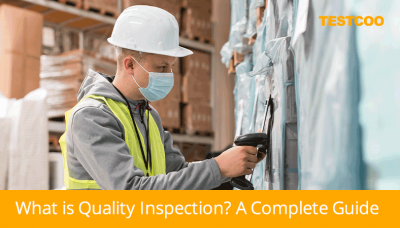 What is Quality Inspection? A Complete Guide
 Guidelines for Product Inspection in India
Category
- Production Inspection Service
- Factory Audit
- Softline Inspection
- Hardline Inspection
- Electrics Inspection
- Certification
- Checklist
- Manufacturers
- Quality Assurance Basics
- Products Recall
- AQL
- Guidence and Standard
- News
- Supplier Management
- Amazon
- Protective Equipment
- e-commerce quality control
- Indian Manufacturing
- Soft Goods Quality Control
- Supply Chain Management
- Supply Chain Resilience
- E-Commerce Quality Control
- ISO 2859
- Supply Chain Optimization
- Garment Industry
- Higg Index