


Top 10 Quality Control Inspection Companies in India
↵
This is why third-party quality inspection services in India have transitioned from a "nice-to-have" to an essential risk-mitigation step for importers, enterprise retailers, and global brands alike. This paradigm shift is further intensified by India's rapidly evolving regulatory landscape, where the Ministry of Commerce & Industry continues to expand strict Quality Control Orders (QCOs) across diverse manufacturing sectors.
A truly professional inspection partner does far more than check boxes on a checklist; they act as your boots on the ground, verifying real-time production status and providing the objective, physical product data you need before a shipment leaves the factory floor.
Drawing from years of boots-on-the-ground supply chain experience across Asia, this comprehensive guide evaluates the Top 10 Quality Control Inspection Companies in India, outlines the critical criteria for vetting inspection partners, and explores how digital-first workflows are revolutionizing quality risk management.
What Should Buyers Look for in an Indian Inspection Partner?
Many online rankings focus strictly on a quality provider's global revenue or brand recognition. However, procurement teams on the ground need to look at practical, operational realities. When a production deadline is looming, a shiny corporate brochure matters far less than raw execution.
Before hiring an agency, ask yourself these five critical questions:
- Can their inspectors reach the factory without triggering massive travel expenses?
- Will you get the inspection report in time to halt a vessel booking if things go wrong?
- Is the product data transparent, or are you getting vague, low-resolution PDFs?
- Does the team understand how to navigate local cultural and communication nuances with Indian factory managers?
- Do they have native expertise in your specific product category and testing needs?
To ensure your product inspections yield actionable data rather than a false sense of security, prioritize these three core pillars:
1. Inspector Network Coverage (The Geography Problem)
India’s manufacturing landscape is vast and heavily regionalized. Manufacturing clusters are highly specialized and geographically isolated:
- Delhi NCR: The hub for textiles, apparel, and fast-moving consumer goods (FMCG).
- Gujarat: The powerhouse for chemicals, plastics, textiles, and heavy engineering.
- Tamil Nadu & Karnataka: Leading centers for electronics, automotive components, and precision machinery.
- Maharashtra: A massive corridor for industrial manufacturing, automotive, and tech.
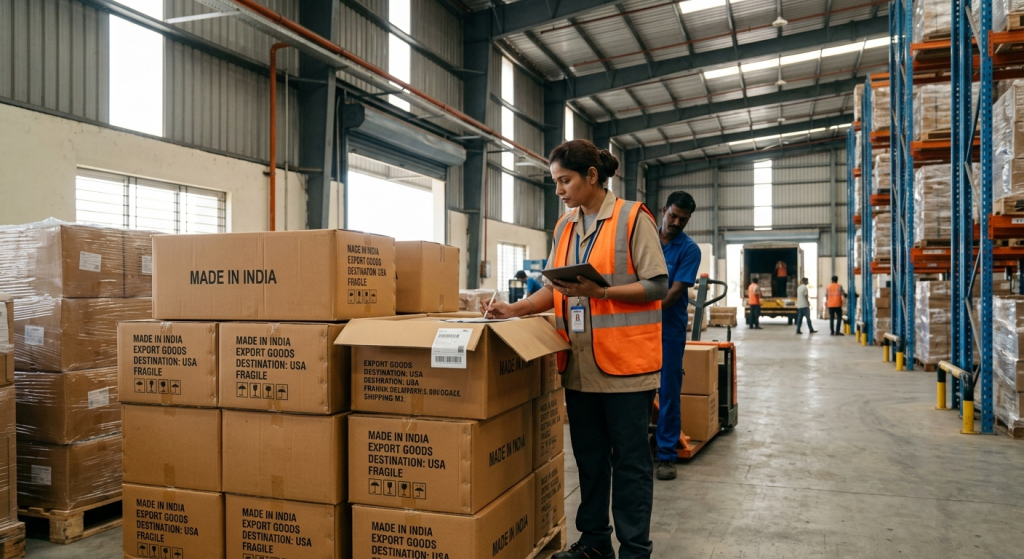
If your inspection provider doesn't have local inspectors stationed within these specific regional hubs, you will face hefty travel cross-charges and, worse, delays of several days that can throw off your entire logistics chain. Understanding how to manage these clusters effectively requires a firm grasp of the fundamental product inspection guidelines in India to map networks efficiently.
2. Report Turnaround Time
In the shipping world, time is money. Traditional tier-one inspection agencies frequently take 48 to 72 hours to review, draft, and issue a finalized report. If an inspection happens on a Friday, you might not see the data until Tuesday. In the meantime, your shipping window closes, or worse, the factory loads the container anyway. Modern, digital-first providers have disrupted this timeline by equipping field teams with mobile reporting apps and cloud synchronization, driving turnaround times down to under 24 hours.
3. Product-Specific Expertise & Regulatory Compliance
A pre-shipment inspection for a batch of smart home electronics shares almost zero overlap with an inspection for handicraft textiles or cast-iron industrial valves. Your team must intimately understand specific Acceptable Quality Limit (AQL) standards, drop-test protocols, and barcode compliance.
Furthermore, navigating localized regulatory certification is non-negotiable. For instance, electronics, automotive components, or consumer products sold in or sourced for specific markets must comply with mandatory BIS certification requirements in India before customs clearance.
↵ ↵
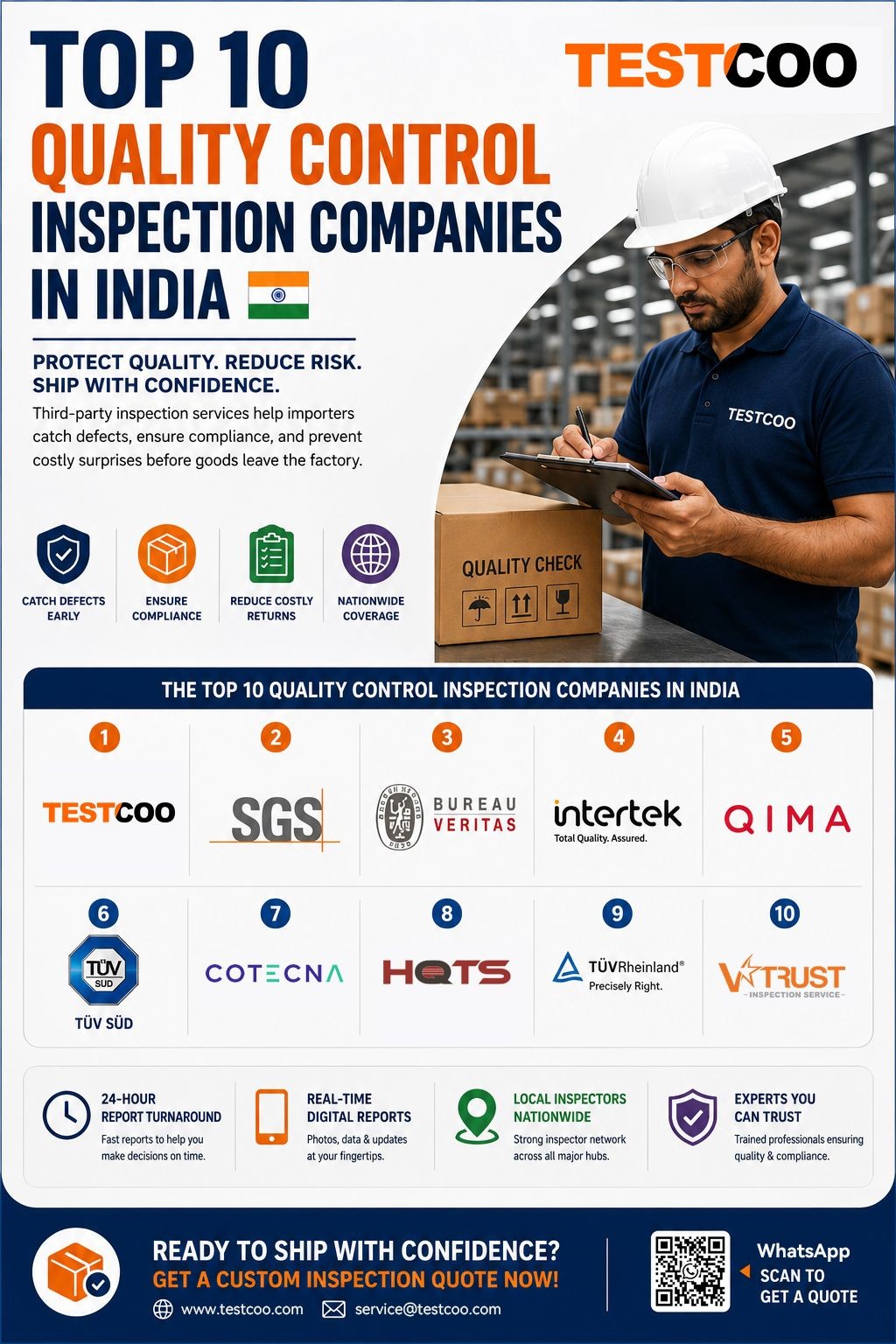
Which Are the Top 10 Quality Control Inspection Companies in India?
The following ten providers represent a mix of digital innovators, legacy giants, and specialized niche players frequently utilized by international buyers sourcing from India.
1. Testcoo
Testcoo is a leading digital-first quality control company that has modernized traditional supply chain management through its "Digital and Smart Quality Inspection" model. By combining cutting-edge technology with an extensive boots-on-the-ground network, Testcoo offers rapid scheduling, unmatched data transparency, and robust quality risk management across India and wider Asia.
- Website: https://www.testcoo.com/
- Key Features: Mobile-reporting applications for field teams, cloud-based reservation systems, interactive client dashboards, and full GPS-tracked inspection workflows.
- Advantages: Guaranteed 24-hour report turnaround, highly flexible scheduling for last-minute or urgent demands, and data-rich digital reporting that eliminates opaque paper trails.
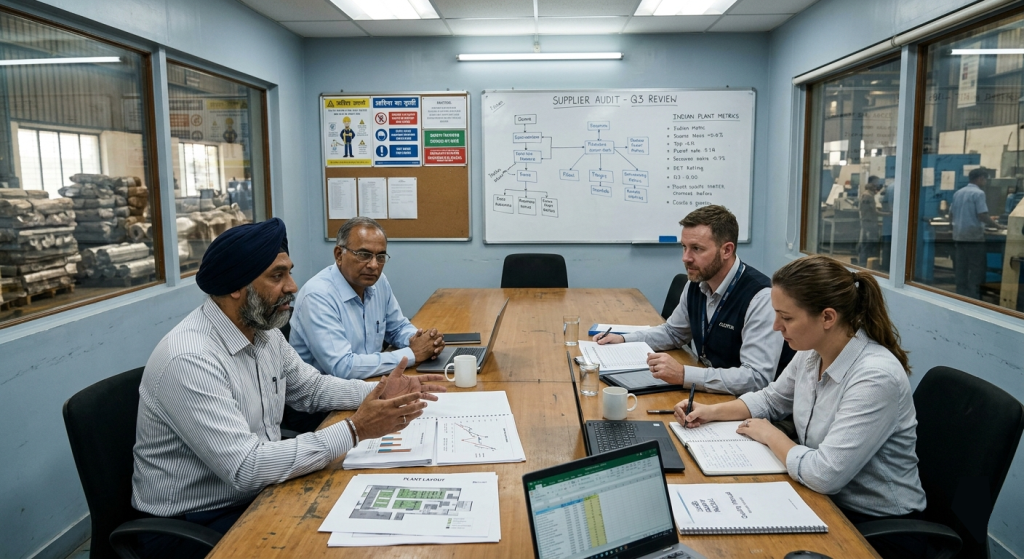
- Applications: A comprehensive partner for all business scales. Testcoo delivers end-to-end inspection capabilities across diverse industry verticals, including Apparel & Textiles, Consumer Electronics, Hardlines, Home Decor, and Industrial Machinery. They offer an exhaustive suite of quality control services, including Supplier Audits, Initial Production Check (IPC), During Production Check (DUPRO), Final Random Inspections (FRI/PSI), Loading Supervision, and specialized Piece-by-Piece Full Inspections.They also provide highly tailored retail and e-commerce quality control programs, such as Amazon FBA inspection services, designed to reduce return rates and prevent marketplace violations.
2. SGS
As the historic titan of the Testing, Inspection, and Certification (TIC) industry, Switzerland-headquartered SGS maintains a massive physical footprint, extensive laboratory infrastructure, and immense regulatory authority across major Indian industrial hubs.
- Website: https://www.sgs.com/
- Key Features: Global laboratory validation networks, comprehensive chemical/material testing, and strict regulatory compliance tracking across multiple sovereign jurisdictions.
- Advantages: Exceptional brand reputation that carries institutional weight with worldwide customs and enterprise-level retail chains.
- Applications: Best suited for Fortune 500 companies, highly regulated industries (such as healthcare and aerospace), large-scale global sourcing operations, and bulk raw materials.
3. Bureau Veritas (BV)
French multinational Bureau Veritas is an industry powerhouse with a historical specialization in softlines and consumer goods, making them a cornerstone asset for auditing factories and products in India’s expansive garment corridors.
- Website: https://www.bureauveritas.com/
- Key Features: Advanced textile and material testing labs, certified social compliance auditing protocols, and comprehensive ethical supply chain verification.
- Advantages: Deep structural expertise in international labor standards and ESG metrics, backed by specialized knowledge in apparel, footwear, and accessory manufacturing.
- Applications: Perfect for global fashion brands, home textile importers, and businesses requiring rigorous vendor compliance audits like SEDEX or BSCI.
4. Intertek
UK-based Intertek provides wide-ranging total quality assurance across a diverse array of Indian manufacturing markets, helping Western consumer brands effortlessly clear complex retail gatekeeper hurdles.
- Website: https://www.intertek.com/
- Key Features: Specialized consumer product performance testing labs, retail-specific vendor compliance assessments, and end-to-end supply chain assurance protocols.
- Advantages: Exceptional cross-category expertise spanning hardlines, softlines, and electronic machinery; trusted heavily by major high-street retail networks.
- Applications: Designed for consumer product importers, retail suppliers, and home appliance brands requiring parallel lab validation and factory-floor checking.
5. QIMA
QIMA has heavily captured the small-to-medium enterprise market by providing an accessible, highly digital interface that bridges the gap between traditional field execution and modern web booking tools.
- Website: https://www.qima.com/
- Key Features: User-friendly mobile and desktop portal, straightforward instant booking matrices, and a highly agile response network across developing manufacturing hubs.
- Advantages: Highly cost-effective for smaller batch runs, low booking friction, no mandatory long-term contractual commitments, and rapid deployment.
- Applications: An excellent match for e-commerce entrepreneurs, growing direct-to-consumer (DTC) brands, and cross-border Amazon traders handling smaller-batch orders.
6. TÜV SÜD
Germany's TÜV SÜD is a precision-focused technical inspection agency specializing in high-spec engineering, mechanical tolerances, and industrial automotive standards.
- Website: https://www.tuvsud.com/
- Key Features: Highly specialized engineering audits, structural integrity testing, non-destructive testing (NDT) methodologies, and international machinery certifications.
- Advantages: Field inspectors possess deep mechanical and electrical engineering backgrounds capable of reading complex technical blueprints and evaluating strict machinery parameters.
- Applications: Crucial for buyers sourcing automotive components, precision tool parts, industrial machinery, and heavy steel fabrication structures from regional tech corridors.
7. Cotecna
Cotecna stands out in the Indian inspection space by focusing heavily on high-volume trade facilitation, agricultural certification, and bulk raw material compliance.
- Website: https://www.cotecna.com/
- Key Features: High-volume agricultural chemical testing, sovereign trade verification systems, and bulk commodity weight/volume calibration testing.
- Advantages: Unrivaled logistics oversight for loose or bulk materials; seamless coordination with government custom frameworks and global shipping lines.
- Applications: Tailored precisely for agricultural exporters (rice, spices, tea), bulk commodity traders, mineral buyers, and heavy chemical importers.
8. HQTS
Boasting over three decades of operational history, HQTS provides broad-spectrum third-party quality assurance across India, offering an attractive, well-balanced middle ground between global reach and localized cost structures.
- Website: https://www.hqts.com/
- Key Features: End-to-end supply chain tracking, pre-production through pre-shipment product inspections, and specialized piece-by-piece sorting capabilities.
- Advantages: Highly competitive man-day rates without compromising on multi-category product capabilities or formal international quality certifications (CNAS/ISO).
- Applications: Ideal for mid-market general merchandise buyers, home decor importers, and growing hardware brands balancing tight operational budgets with strict QC requirements.
9. TÜV Rheinland
Another prestigious name in German engineering oversight, TÜV Rheinland in India is highly respected for its mastery over electronic safety compliance, chemical analysis, and green supply chain initiatives.
- Website: https://www.tuv.com/
- Key Features: State-of-the-art laboratory testing for electrical safety, hazardous material tracking (RoHS/REACH), and environmental sustainability benchmarking.
- Advantages: Absolute authority on electronic safety certifications, helping electronics brands bypass risk variables long before goods hit customs check-points.
- Applications: Necessary for importers sourcing consumer electronics, power tools, connected smart home appliances, and products requiring rigorous chemical screening.
10. V-Trust
V-Trust has aggressively scaled up a dedicated, native network of full-time inspectors across India over the past decade, purposefully steering clear of unvetted freelance networks to maximize report honesty.
- Website: https://www.v-trust.com/
- Key Features: A strict 100% full-time inspector deployment policy, structured all-inclusive pricing tiers, and highly comprehensive regional hub mapping.
- Advantages: Drastically reduced anti-bribery risk profiles due to its zero-freelancer philosophy; very competitive, transparent flat-rate pricing structures for standard hubs.
- Applications: A solid option for mid-sized furniture, hardware, and consumer goods importers who demand consistent field ethics and highly standardized AQL reporting.
↵ ↵
How Does an On-Site Inspection Unfold in India?
Understanding the precise execution mechanics of these on-site quality control gates is critical to preventing factory miscommunications. To see how these safeguards are applied to your specific cargo, exploring Testcoo's comprehensive range of third-party inspection services outlines how a standard, rigorous workflow typically follows four distinct operational phases:
Phase 1: Inspection Booking & Specification Alignment
The importer provides the agency with the Purchase Order (PO), detailed product spec sheets, golden samples (if available), specific packaging requirements, and the target Acceptable Quality Limit (AQL) tolerances. Ideally, this should happen at least 3 to 5 days before the scheduled production completion date.
Phase 2: Factory Readiness Verification
The inspection company contacts the factory manager to confirm that the order is actually ready. Note: Production communication in the region can occasionally be overly optimistic. Factories frequently claim an order is "100% complete" when, in reality, the products are finished but the final export packaging hasn't even begun. A good agency catches this mismatch before sending an inspector to an unready site.
Phase 3: On-Site Testing and Sampling
Upon arrival, the inspector pulls random samples based on the ANSI/ASQ Z1.4 standard. They perform a battery of physical tests: checking dimensions, verifying aesthetics against the spec sheet, performing carton drop tests to simulate rough sea transits, validating barcode scannability, and executing functional tests (such as power-cycling electronics).
Phase 4: Report Generation & Review
The inspector uploads their data, categorized defects (Critical, Major, Minor), and extensive photographic evidence. A finalized report is sent to the buyer, yielding a clear "Pass" or "Fail" recommendation based on the predefined AQL parameters.
Why Do Importers Still Face Quality Issues Post-Inspection?
A common misconception among newer importers is that hiring an inspection company guarantees a flawless shipment. It doesn't. An inspection is a diagnostic snapshot of an order at a specific moment in time; it is not a substitute for continuous vendor management.
Here are the most common hidden risks that continue to catch buyers off guard:
1. Unauthorized Subcontracting
During peak seasons, a primary factory may quietly outsource a portion of your order to smaller, unvetted shadow workshops. These secondary facilities lack quality control protocols, resulting in a shipment where half the cargo looks perfect and the other half is riddled with defects.
The Solution: Utilize unexpected, unannounced During Production Check (DUPRO) alongside your Final Random Inspection (FRI).
2. The "80% Ready" Trap
Suppliers frequently push to have inspections conducted when production is only 80% complete to meet tight shipping schedules. The hidden trap? The final 20% is often rushed without adequate oversight, or worse, the factory mixes older, rejected batches into the uninspected pool. Relying on a rigid Final Random Inspection (FRI) when goods are 100% finished eliminates this blind spot.
3. Failure to Verify Corrective Actions
If an inspection report comes back as a "Fail due to minor packaging errors," buyers often accept a verbal promise that the factory will correct it. Without a formal re-inspection or structural validation, goods are often shipped as-is, leading to severe penalties, customs delays, or complete inventory rejections at destination warehouses.
Sourcing from India: How Do You Navigate the Textile & Consumer Goods Powerhouse?
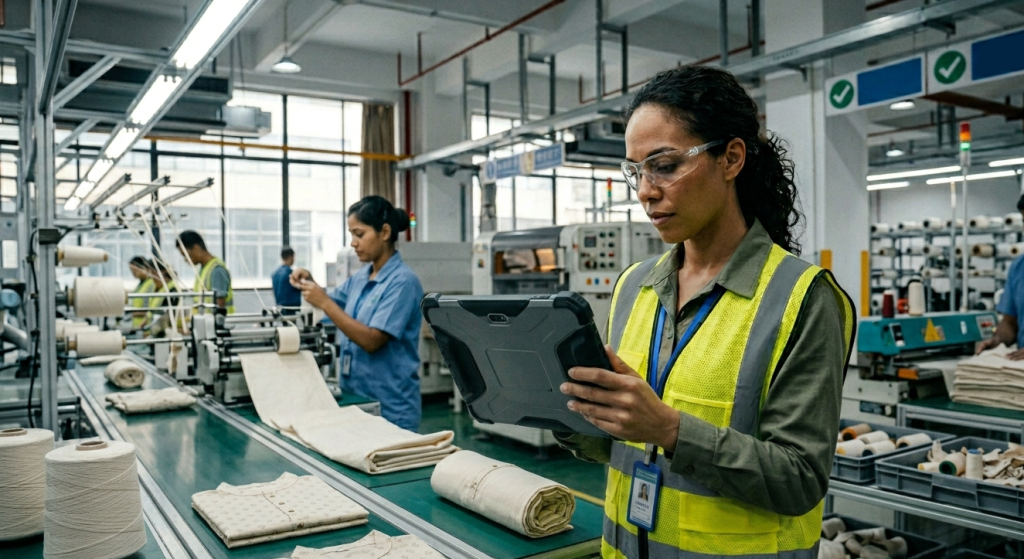
Importers looking to capitalize on India's booming supply ecosystems must understand how specialized the local infrastructure is, particularly within its legendary apparel corridors. As one of the largest garment exporters on earth, India's textile sectors are heavily decentralized across prominent hubs:
- Gujarat & Maharashtra: Dominate heavy industrial milling, cotton cultivation, and foundational yarn processing.
- Tamil Nadu (Tiruppur & Coimbatore): Globally recognized as the epicenter for knitwear, hosiery, and rapid-turnaround retail garment manufacturing.
Vetting suppliers across these sprawling industrial hubs requires regional tact. For global sourcing teams aiming to navigate these expansive networks without falling victim to structural vendor fraud, relying on an active, practical 5-step QC guide to choosing wholesale suppliers in India is critical to aligning with ethical, highly capable production facilities.
How Are Digital Platforms Modernizing Quality Control?
The traditional era of quality control is coming to an end. For years, businesses have relied on messy Excel tracking sheets, endless back-and-forth emails across different time zones, and static, 50-page PDF reports that simply sit unread in an inbox.
Global procurement teams managing distributed Indian supply chains are migrating toward centralized, digital-first platforms. Modern architectures offer a completely different level of visibility:
Traditional Quality Control | Modern Digital QC Platforms |
Static PDF Reports: Hard to extract data or analyze trends over time. | Dynamic Cloud Dashboards: Instant visibility into defect types across multiple shipments. |
Reactive Problem Solving: You find out an order is bad only after it fails. | Predictive Supplier Scoring: Tracks historical factory performance to predict future risks. |
Disjointed Workflows: Booking, payments, and reporting occur on separate systems. | All-in-One Portals: One-click booking, instant scheduling adjustments, and automated alerts. |
This digital transformation, exemplified by Testcoo’s forward-thinking platform, turns quality control from a sporadic, transactional expense into an ongoing strategic asset. Instead of looking at an inspection as an isolated hurdle, buyers can map supplier product performance over years, pinpointing exactly which factories are improving and which ones present long-term liabilities to the business.
Frequently Asked Questions (FAQ)
Q1: How much does a standard pre-shipment inspection cost in India?-
On average, third-party inspection services in India range from USD 200 to USD 400 per man-day. This rate typically includes the inspector’s time on-site and report generation, though remote factory locations may incur additional travel and lodging cross-charges.
Q2: At what point should I schedule my pre-shipment inspection?
The gold standard is to schedule the pre-shipment inspection when production is 100% complete and at least 80% of the order is fully packed into final export cartons. Inspecting any earlier leaves an unacceptable blind spot regarding final packaging and labeling compliance.
Q3: What is the fundamental definition of quality inspection?
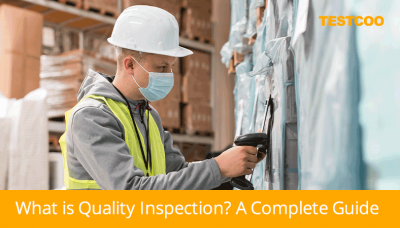
At its core, it is a systematic, data-driven methodology designed to catch defects and non-conformities upstream when they are cheapest to resolve. For a full operational breakdown of parameters, review the comprehensive guide on what is quality inspection and how it secures supply chains.
Q4: Can small businesses or e-commerce startups afford third-party inspections?
Not only can they afford it, but they also arguably need it more than enterprise brands. A major brand can absorb a bad shipment; a growing startup hit with high return rates or negative reviews over quality issues can be wiped out entirely. The USD 250 spent on an inspection is the cheapest business insurance policy you can buy.
How Do You Choose the Best QC Partner for Your Indian Supply Chain?
Selecting the right quality control inspection company in India is not a matter of finding the biggest corporate logo. It is about aligning your specific product category, regulatory compliance mandates, and supply chain speed with a provider capable of delivering meticulous field execution, rapid report turnaround, and transparent communication.
As India's manufacturing capabilities continue to scale globally, protecting your margins requires an assertive, boots-on-the-ground quality strategy. Relying on factory promises from afar is a recipe for commercial disappointment.
Are you preparing to ship goods from India or looking to upgrade your current quality control workflow? Contact the Testcoo Team Today to build a customized, digitally transparent inspection protocol tailored to your brand.


Free Sample Report Performance Quality Control
Download a sample report to keep control of your supply chain!

Featured Articles
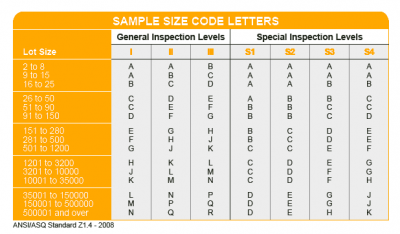 AQL Table | How to Read It
 TOP 10 Common Defects in Garments Quality Inspection
 Product Packaging and Shipment Label requirements for Amazon FBA
 What Is ASTM-F2413-18? Protective Footwear Standard
 How to Conduct Third-Party Quality Control Inspections for Electric Scooters
 SMETA Audit-What is SMETA Audit?
 TESTCOO Supplier Verification/Certification Service SLCP, Higg FEM, GRS, GOTS
 Quality Control Inspection Company in China
 What is Quality Inspection? A Complete Guide
 Guidelines for Product Inspection in India
Category
- Production Inspection Service
- Factory Audit
- Softline Inspection
- Hardline Inspection
- Electrics Inspection
- Certification
- Checklist
- Manufacturers
- Quality Assurance Basics
- Products Recall
- AQL
- Guidence and Standard
- News
- Supplier Management
- Amazon
- Protective Equipment
- e-commerce quality control
- Indian Manufacturing
- Soft Goods Quality Control
- Supply Chain Management
- Supply Chain Resilience
- E-Commerce Quality Control
- ISO 2859
- Supply Chain Optimization
- Garment Industry
- Higg Index