


The Ultimate Furniture Inspection Guide: What to Check Before You Buy or Accept Delivery

Imagine this: you've been waiting weeks for your new, expertly crafted wooden dining table to arrive. The delivery truck pulls away, you carefully unbox it and there it is a long, ugly scratch running across the surface. Your heart sinks. This scenario is far too common and highlights a crucial, often overlooked step in the furniture-buying process: the inspection.
Whether you're a homeowner furnishing a living room, a business owner outfitting a hotel or a retailer receiving a bulk shipment, a thorough furniture inspection is your golden ticket to ensuring you get what you paid for. It protects your investment, guarantees safety and saves you from the massive headache of returns and replacements down the line.
This comprehensive guide will walk you through the entire process using a series of critical questions. By the end, you'll be equipped with the knowledge to spot defects before they become your problem.
Why Is Furniture Inspection So Important?
Skipping the inspection might save you ten minutes at delivery, but it can cost you hundreds of dollars and hours of frustration later. A proper inspection is not just about finding scratches; it's about verifying the very essence of your purchase.
For businesses, particularly those sourcing from overseas or working with private label furniture manufacturers, inspection is a non-negotiable part of quality assurance. It protects your brand's reputation by ensuring every piece that reaches your customer meets a high standard of safety, durability and aesthetics. For individual buyers, it’s about ensuring that a significant financial investment doesn't turn into a safety hazard or an eyesore. Identifying issues at the point of delivery before you've signed off on the order gives you the leverage to demand repairs, replacements or refunds from the seller or the furniture manufacturing company.
Read more: What is Quality Inspection? A Complete Guide
What Should You Check First: Packaging and Documentation?
The inspection begins even before you see the furniture itself. The state of the packaging can tell you a lot about what's inside.
- Packaging Integrity: Is the cardboard box crushed, torn or showing signs of water damage? If the outer packaging is compromised, there's a high chance the furniture inside has been affected. Check if the cartons are stacked on pallets and stored in a dry area to prevent moisture damage like mold or warping.
- Label Verification: Before you start unboxing, look at the shipping labels and product information. Does the item number, color and description match your order confirmation? This simple step ensures you're not about to assemble the wrong piece of furniture.
- Parts and Instructions: Open the box and check for the instruction manual. Is it present and legible? Locate the hardware bag. Are all the screws, bolts, cam locks and Allen wrenches accounted for? There's nothing worse than being halfway through assembly only to find a critical piece missing.
Read more: Furniture Quality Inspection: Standards and Checklists
How to Check for Visible Damages and Cosmetic Flaws?
Once you've confirmed the packaging is sound and all parts are present, it's time for a detailed visual inspection of the furniture itself. Good lighting is your best friend here.
- Surface Scrutiny: Run your hand gently over all surfaces. Are there scratches, dents or chips in the finish? For wooden furniture, look for cracks, bumps or unnecessary holes. For upholstered pieces, check for rips, stains, loose threads or snags in the fabric.
- Color and Finish Consistency: Hold the piece under natural light. Does the color match what you ordered? If the piece has multiple components (like a sectional sofa or a table with leaves), compare the colors to ensure there’s no noticeable variation. The finish should be even, without bubbles, discoloration or rough patches from poor sanding.
- Alignment and Symmetry: Step back and look at the furniture's overall geometry. Does it look symmetrical? A well-made cabinet or bookcase should not look like it's leaning to one side. Check that doors and drawers are properly aligned within their frames.

Does Your Furniture Pass the Structural Integrity Test?
A beautiful piece of furniture is useless if it collapses the first time you use it. This part of the inspection tests the bones of the item.
- The Stability Check (The Wobble Test): Place the furniture on a level surface and gently rock it. Does it wobble? For chairs and tables, this is a major red flag indicating uneven legs or a warped frame. For a bookcase or cabinet, instability is a serious safety hazard.
- Strength of Joints and Frame: Examine the corners and connecting points. Are the joints tight and secure? For chairs, apply gentle pressure to the back to see if the joints creak or give way. For tables, check how the legs attach to the apron—are the screws or bolts tight and properly fastened? Look for cracks in the frame itself, especially at stress points.
- Hardware and Fasteners: Are all visible screws, bolts and brackets present and fully tightened? Look for missing floor glides on chair legs, which can scratch your floors. For metal furniture, inspect welds for cracks or weaknesses and ensure there are no sharp edges or burrs that could cause injury.
How to Test the Functionality and Moving Parts?
If your furniture has moving parts, you need to test them—thoroughly. A drawer that sticks now will only get worse with time.
- Drawers and Doors: Open and close every drawer and door multiple times. They should glide smoothly and quietly without sticking, scraping or needing excessive force. Check that the drawer slides are sturdy and that the drawer doesn't fall out if pulled out too far.
- Mechanisms: If it's a recliner, test the recline mechanism several times. If it's a folding table, set it up and fold it down. Does the mechanism lock securely into place? Is it easy to operate or does it feel like it's about to break?.
- Cushions and Support: For sofas and chairs, press down firmly on the seat cushions. Do they spring back quickly or do they feel flat and lumpy? Sit on the piece and shift your weight. Does it feel supportive or can you feel the frame through the cushions?.
What About Safety and Environmental Factors?
Beyond how it looks and functions, you need to consider how the furniture interacts with its environment and your health.
- The Sniff Test: Trust your nose. Does the furniture have a strong, chemical or unpleasant odor? This could be a sign of high levels of volatile organic compounds (VOCs) like formaldehyde, which are off-gassed from some manufactured woods, adhesives and finishes. A slight "new" smell is normal, but a sharp, irritating odor is a cause for concern.
- Safety Hazards: Run your hand along all edges and corners. Are they smooth or are they sharp enough to cut someone? This is especially critical in homes with small children. For taller pieces of furniture like dressers and bookshelves, check for anti-tip hardware. Did the manufacturer include straps or brackets to secure the piece to the wall?
Read more: Supply Chain Assessment: Why Should You Care About Social Compliance Policy?
What Are the 2026 Quality Trends in Furniture Inspection?
The furniture industry is constantly evolving and so are the standards for quality. Staying ahead of these trends can help you make smarter purchasing decisions.
- Demand for Supply Chain Transparency: In 2026, retailers and consumers are demanding to know where materials come from. This includes proof of sustainable sourcing, like FSC certification for wood and ethical labor practices.
- Verification of Certifications: It's not enough for a company to say they are sustainable. Buyers should look for and verify specific certifications, such as Environmental Product Declarations (EPDs), GREENGUARD certifications for low emissions and recycled-content verification for metals and plastics.
- Testing for Modularity and Adaptability: As furniture becomes more modular and tech-integrated, inspections must adapt. This means testing how easily pieces can be disassembled and reconfigured without losing stability and ensuring built-in features like wireless chargers work safely and effectively.
Frequently Asked Questions (FAQ)
Q1: What are the 4 main types of quality inspections for furniture in a business context?
In a B2B or manufacturing setting, there are typically four stages of inspection:
1. Initial Production Check (IPC): Checking raw materials and components before production starts.
2. During Production Inspection (DUPRO): Randomly checking items while they are being assembled.
3. Final Random Inspection (FRI): Examining finished, packed goods before they leave the factory.
4. Loading Supervision (LS): Supervising the loading of containers to ensure proper packing and prevent transport damage.
Q2: What is an AQL standard in furniture inspection?
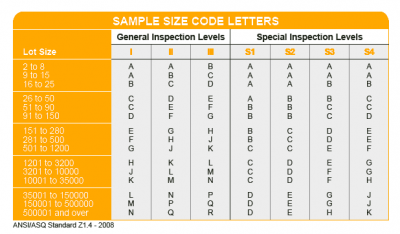
AQL stands for Acceptable Quality Limit. It's a statistical method used to determine whether a batch of products is acceptable based on a random sample. For furniture, a common standard is to allow 2.5% major defects (like structural instability) and 4.0% minor defects (like small scratches). If the number of defects in the sample exceeds these limits, the entire batch is rejected.
Q3: How do I know if the wood in my furniture is good quality?
You can assess wood quality by looking at a few things: 1. Moisture Content: Quality wood should have a stable moisture content (typically 6-10%) to prevent future warping or cracking. 2. Grain and Finish: Look for a smooth, consistent finish that follows the grain. For solid wood, end grain should be finished or sealed. 3. Joinery: Dovetail joints in drawers are a sign of high quality, while staples and glue are signs of lower quality.
Q4: What does a furniture quality inspector do?
A quality inspector is an independent party (or a designated employee) who examines furniture at different stages of production or upon delivery. Their job is to check materials, assembly, surface finish, functionality and safety against a pre-defined checklist and client specifications. They document any defects and report their findings to help maintain consistent quality.
Q5: My furniture passed inspection but has a weird smell. What should I do?
An unpleasant chemical smell often indicates off-gassing from materials like particleboard, adhesives or finishes. First, ensure the room is well-ventilated. Sometimes, the smell dissipates over a few days or weeks. If the odor is overpowering or doesn't go away, it could indicate unsafe VOC levels. You should contact the retailer or manufacturer to report the issue, as it may be a defect in the materials used.

Conclusion
A thorough furniture inspection may feel like extra effort, but it is a worthwhile step to ensure confidence in your purchase. By carefully examining the packaging, appearance, structure and functionality of each item, you take an active role in safeguarding the quality of what you receive. At Testcoo, we believe that every customer deserves products that are reliable, safe and built to last. Taking the time to inspect your furniture upon arrival helps protect your investment and ensures it meets your expectations giving you lasting peace of mind.





Free Sample Report Performance Quality Control
Download a sample report to keep control of your supply chain!

Featured Articles
 AQL Table | How to Read It
 TOP 10 Common Defects in Garments Quality Inspection
 Product Packaging and Shipment Label requirements for Amazon FBA
 What Is ASTM-F2413-18? Protective Footwear Standard
 How to Conduct Third-Party Quality Control Inspections for Electric Scooters
 SMETA Audit-What is SMETA Audit?
 TESTCOO Supplier Verification/Certification Service SLCP, Higg FEM, GRS, GOTS
 Quality Control Inspection Company in China
 What is Quality Inspection? A Complete Guide
 Guidelines for Product Inspection in India
Category
- Production Inspection Service
- Factory Audit
- Softline Inspection
- Hardline Inspection
- Electrics Inspection
- Certification
- Checklist
- Manufacturers
- Quality Assurance Basics
- Products Recall
- AQL
- Guidence and Standard
- News
- Supplier Management
- Amazon
- Protective Equipment
- e-commerce quality control
- Indian Manufacturing
- Soft Goods Quality Control
- Supply Chain Management
- Supply Chain Resilience
- E-Commerce Quality Control
- ISO 2859
- Supply Chain Optimization
- Garment Industry
- Higg Index