


What Is the Difference Between Quality Assurance and Quality Control?
Quality Assurance (QA) and Quality Control (QC) are closely related but serve different functions within a quality management system. QA is primarily a proactive, process oriented approach designed to prevent defects by establishing controlled processes, standards, training and systematic oversight. QC is primarily a product oriented approach that focuses on detecting defects through inspection, testing, measurement and verification. Understanding what is the difference between quality assurance and quality control is especially important in manufacturing and supply chain management, where product quality depends on both the effectiveness of production processes and the inspection of finished outputs.
What Is the Difference Between Quality Assurance and Quality Control?
The fundamental difference between QA and QC is their focus and timing within the quality management process. QA focuses on how a product is made, while QC focuses on whether the product meets specified requirements.
Read More: Quality Assurance vs. Quality Control: 5 Key Differences Explained
Feature | Quality Assurance (QA) | Quality Control (QC) |
Orientation | Process oriented | Product oriented |
Nature | Preventive | Corrective and detection focused |
Main Goal | Prevent defects and control processes | Detect defects and verify product conformity |
Timing | Before and throughout production | During and after production |
Common Activities | Process audits, procedures, training, supplier controls | Inspection, testing, sampling, measurement |
Typical Question | Are we using the right process? | Does the product meet the requirements? |
How Does Quality Assurance Focus on Processes?
Quality Assurance focuses on creating conditions that make consistent quality more achievable. Instead of waiting for a finished product to reveal a problem, QA establishes the processes and controls needed to reduce the likelihood of that problem occurring.
In manufacturing, QA activities can include defining quality procedures, establishing production requirements, qualifying suppliers, training personnel, conducting process audits and reviewing whether operational processes are being followed consistently. These activities help create a controlled production environment in which quality requirements are incorporated into the process itself.
For supply chain operations, QA can extend beyond the factory floor. Supplier qualification, factory audits, process capability reviews and quality management system assessments can all contribute to quality assurance by addressing potential risks before products reach the inspection stage.
How Does Quality Control Focus on Products?
Quality Control focuses on evaluating actual products or production outputs against defined requirements. QC activities generate direct evidence of whether a product conforms to specifications. Typical QC activities include incoming material inspection, Initial Production Check, during production inspection, final inspection, laboratory testing, sampling, dimensional measurement and functional testing. When defects are identified, QC provides the information needed to determine whether the product can be accepted, reworked, or rejected.
In an international sourcing environment, third party inspection can form an important part of QC by providing an independent assessment of product quality before shipment.
Why Are Quality Assurance and Quality Control Both Important?
A strong quality management approach requires both prevention and verification. A well designed process cannot guarantee that every production output will be conforming, while inspection alone cannot eliminate the root causes of recurring quality problems.
QA establishes the framework for controlled operations, while QC provides evidence about the actual results produced by those operations. When they are connected, organizations can move beyond simply finding defects toward understanding why defects occur and how they can be prevented.
What Happens When Companies Rely Only on Quality Control?
A company that relies heavily on QC may detect defects effectively but still experience recurring quality problems. Inspection identifies nonconforming products, but the inspection itself does not necessarily address the process that caused the defect.
For example, repeated stitching defects, incorrect dimensions, material substitutions, or packaging errors may continue to appear across multiple production orders. QC can identify these problems, but a sustainable solution may require changes to production procedures, supplier controls, employee training, or process monitoring.
This is where QA becomes important. Inspection findings can provide evidence for reviewing the underlying process and introducing preventive improvements.
Read More: Product Defects | How can you identify them?
What Happens When Companies Rely Only on Quality Assurance?
QA without effective QC can also create significant risks. A supplier may have documented procedures, trained workers and established production controls while still producing products that fail to meet customer specifications.
QC provides objective verification of actual production results. Inspection and testing can identify issues that process documentation or audits may not reveal, particularly when production conditions change or controls are not consistently implemented.
The strongest approach therefore combines process assurance with product verification.
Read More: Inspection First: Smart Brands’ Guide to Quality Control
How Do QA and QC Work Together?
QA and QC form a continuous quality management cycle rather than two completely separate activities.
A typical manufacturing quality cycle can be represented as:

QA contributes strongly to quality planning, process control and preventive activities. QC contributes strongly to inspection, testing, measurement and defect identification. Corrective action connects the two by using QC findings to improve the processes managed through QA.
This relationship is particularly valuable in supplier quality management, where inspection data can become an input for supplier evaluation, corrective action, process improvement and future sourcing decisions.
What Are the Main QA and QC Activities in Manufacturing?
The specific balance between QA and QC depends on the product, supplier risk, manufacturing process and customer requirements. However, both functions typically operate across multiple stages of the supply chain.
What Are Common Quality Assurance Activities?
Common QA activities in manufacturing include supplier qualification, quality planning, procedure development, employee training, process audits, production process reviews, risk assessment and management system evaluation.
QA may also involve establishing acceptance criteria, defining responsibilities, reviewing production methods and ensuring that quality requirements are understood before production begins.
For international sourcing programs, supplier audits can help buyers assess whether factories have appropriate production controls, quality procedures, traceability systems, equipment management and corrective action processes.
What Are Common Quality Control Activities?
QC activities focus on verifying whether materials, production outputs and finished goods meet specified requirements. These activities may include incoming inspection, during production inspection, final random inspection, loading supervision, laboratory testing, measurement, sampling and functional checks.
The appropriate inspection stage depends on the product and the associated quality risks. For example, an early production inspection can identify issues while corrective action is still possible, while a pre shipment inspection provides a final verification before goods leave the factory.
How Can Inspection Data Improve Both QA and QC?
Inspection data becomes more valuable when it is used beyond the individual inspection report. Defect categories, defect rates, supplier performance, recurring issues and corrective action results can reveal patterns that indicate weaknesses in production processes.
This creates a feedback loop between QC and QA. QC identifies what is happening in production, while QA can use that information to examine why it is happening and what process improvements are required.
For buyers managing multiple suppliers, this approach can support supplier performance evaluation, inspection planning, corrective action management and continuous improvement.
Read More: Revolutionizing Quality Control SaaS Platforms for Global Supply Chains
What Is the Difference Between QA and QC in Supply Chain Management?
In supply chain management, QA and QC extend beyond the boundaries of a single factory. Product quality can be influenced by supplier selection, raw materials, subcontractors, production processes, inspection practices, packaging and logistics.
How Does QA Support Supplier Management?
QA supports supplier management by addressing quality risks before production problems become product failures. Supplier evaluation, factory audits, quality system assessment, process reviews and supplier qualification can help buyers understand whether suppliers have the capabilities and controls required to meet specifications.
This is particularly important when organizations work with multiple factories or change suppliers frequently. A supplier's historical quality performance and process maturity can influence the level of oversight required.
How Does QC Support Supplier Management?
QC provides direct evidence of supplier performance through inspection and testing results. Buyers can use this information to evaluate whether suppliers consistently meet product specifications and customer requirements.
For example, a supplier with repeated critical defects or high defect rates may require increased inspection frequency, additional process monitoring, or formal corrective action. A supplier with stable performance may be managed through an established control plan based on its demonstrated quality record.
Read More: Testcoo VR Factory Audit Tool | Smarter Remote Inspections
Why Should QA and QC Data Be Connected?
Keeping QA and QC data separate can make it difficult to identify relationships between process problems and product defects. Connecting supplier audits, inspection findings, nonconformities, corrective actions and supplier performance creates a more complete view of quality risk.
This allows companies to move from isolated quality checks toward supplier quality management based on evidence and trends.
Frequently Asked Questions
1. What Is the Difference Between Quality Assurance and Quality Control?
Quality Assurance (QA) prevents defects by controlling processes, while Quality Control (QC) identifies defects by inspecting and testing products. QA is process oriented and proactive, while QC is product oriented and focused on verification.

2. Is Quality Assurance More Important Than Quality Control?
Neither is more important. QA helps prevent quality problems, while QC verifies product conformity and identifies defects that require corrective action.
3. What Is the Difference Between QA and QC in Manufacturing?
QA focuses on controlling manufacturing processes through procedures, training, audits and supplier management. QC focuses on verifying product quality through inspection, testing, sampling and measurement.
4. How Do QA and QC Work Together?
QA establishes processes to prevent quality risks, while QC verifies the results. QC findings can then support corrective actions and process improvements, creating a continuous quality management cycle.
5. How Can Testcoo Support Quality Assurance and Quality Control?
Testcoo supports QA and QC through supplier audits, production monitoring, product inspections and digital quality management tools that connect supplier information, inspection results, quality records and follow up activities.
How Can Companies Build a Stronger QA and QC System?
Companies do not need to choose between QA and QC. A stronger approach is to establish clear responsibilities for both while connecting their outputs within the same quality management system.
QA should establish the processes and controls needed to prevent quality risks, while QC should verify whether those controls are producing conforming results. Inspection findings should then feed back into corrective action and process improvement.
For companies managing global suppliers, this means combining supplier qualification and audits with production monitoring, inspection, testing, corrective action and supplier performance analysis. The objective is not simply to detect more defects, but to reduce recurring quality problems and improve the reliability of the entire supply chain.
How Can Digital Quality Management Connect QA and QC?
Digital quality management can help organizations connect preventive quality activities with product inspection and performance data. Instead of maintaining separate spreadsheets, reports and supplier records, companies can organize quality information within connected workflows.
A digital system can link supplier information, orders, inspection requirements, inspection results, defect records, corrective actions and supplier performance. This creates greater visibility into where quality problems occur and how suppliers respond to them.
For companies managing large supplier networks, connected quality data can also support more consistent quality decisions, faster follow up and better identification of recurring problems.
How Can Companies Strengthen Quality Management Through QA and QC?
Understanding what is the difference between quality assurance and quality control is essential for building an effective quality management system. QA is primarily concerned with preventing quality problems through controlled processes, standards, training, audits and supplier management, while QC focuses on identifying and evaluating actual product quality through inspection, testing, measurement and sampling.
In manufacturing and global supply chains, the two functions are most effective when they operate as part of one continuous quality cycle. QA establishes the conditions for consistent production, QC verifies the results and inspection data provides evidence for corrective action and process improvement. By connecting supplier management, process control, inspection and quality performance data, companies can move from simply detecting defects toward preventing recurring quality risks and improving overall supply chain quality.
How Can Testcoo Support QA and QC Management?
Testcoo supports quality management by combining supplier quality services with digital tools for inspection and quality data management. Its services can support QC activities through product quality inspections, production monitoring, loading supervision, factory audits and other quality control programs.
At the same time, supplier audits and supplier performance information can contribute to the broader QA process by helping buyers evaluate production capabilities, identify process risks and establish appropriate supplier controls.
Through its online platform, Testcoo also provides a structured way to manage inspection orders, supplier information, inspection requirements, inspection results and quality records. This helps companies connect product level QC activities with broader supplier quality management and continual improvement.

Free Sample Report Performance Quality Control
Download a sample report to keep control of your supply chain!

Featured Articles
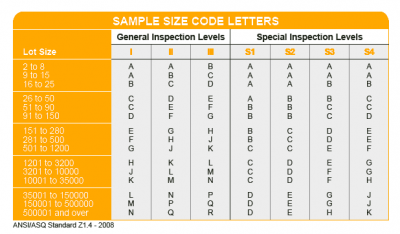 AQL Table | How to Read It
 TOP 10 Common Defects in Garments Quality Inspection
 Product Packaging and Shipment Label requirements for Amazon FBA
 What Is ASTM-F2413-18? Protective Footwear Standard
 How to Conduct Third-Party Quality Control Inspections for Electric Scooters
 SMETA Audit-What is SMETA Audit?
 TESTCOO Supplier Verification/Certification Service SLCP, Higg FEM, GRS, GOTS
 Quality Control Inspection Company in China
 What is Quality Inspection? A Complete Guide
 Guidelines for Product Inspection in India
Category
- Production Inspection Service
- Factory Audit
- Softline Inspection
- Hardline Inspection
- Electrics Inspection
- Certification
- Checklist
- Manufacturers
- Quality Assurance Basics
- Products Recall
- AQL
- Guidence and Standard
- News
- Supplier Management
- Amazon
- Protective Equipment
- e-commerce quality control
- Indian Manufacturing
- Soft Goods Quality Control
- Supply Chain Management
- Supply Chain Resilience
- E-Commerce Quality Control
- ISO 2859
- Supply Chain Optimization
- Garment Industry
- Higg Index