


ISO 9001:2026: What Will Change and How Should Companies Prepare?

Why Is ISO 9001 Being Revised in 2026?
Semantic anchor: ISO 9001:2026 is being revised to maintain the relevance of the quality management standard as business environments, technologies, stakeholder expectations and management practices continue to evolve.
What Has Changed Since ISO 9001:2015?
ISO 9001:2015 was published more than a decade ago and organizations now operate in an environment that is increasingly different from the one in which the previous edition was developed. Global supply chains have become more interconnected, digital technologies have become central to business operations and organizations increasingly rely on data to monitor processes, manage suppliers and make quality decisions.
At the same time, customer expectations and stakeholder requirements have continued to evolve. Organizations are expected not only to deliver consistent products and services but also to demonstrate that their processes are controlled, measurable and capable of responding to changing business conditions.
The purpose of the revision is therefore not to discard the existing quality management framework. Instead, ISO has described the update as an opportunity to ensure that ISO 9001 continues to meet the evolving needs of its users and communities. The 2023 global consultation concluded that revising the standard would enhance its value and maintain its relevance.
How Is Digitalization Influencing the ISO 9001 Revision?
Digitalization is another important factor behind the revision. Quality management is increasingly supported by digital systems that connect operational data, supplier information, inspection results, nonconformities, corrective actions and performance indicators.
ISO/TC 176 has specifically identified SMART access as part of the revision work. The objective is to make standards content more accessible and usable for different types of users, including people, computers, complex machines and intelligent devices. This reflects the broader shift toward digital environments in which management system requirements are increasingly accessed and applied through technology rather than only through traditional paper based documentation.
For organizations, this direction reinforces the importance of treating quality management as an operational system rather than simply a collection of procedures and records. Digital quality data, process visibility and connected workflows can increasingly support how organizations implement and demonstrate the effectiveness of their QMS.
What Are the Key Changes in ISO 9001:2026?
ISO 9001:2026 builds on the quality management framework established by ISO 9001:2015 while updating the standard to better reflect current business environments, stakeholder expectations, technology and management practices. The revision is not intended to replace the fundamental principles of quality management. Instead, it refines how organizations understand and apply their quality management systems, with greater attention to consistency with other ISO management system standards, digital accessibility and the practical effectiveness of the QMS. ISO has confirmed that the sixth edition will replace ISO 9001:2015 and that certified organizations will need to transition according to the applicable transition arrangements.
How Will the Harmonized Structure Improve ISO 9001?
One important consideration in the ISO 9001:2026 revision is alignment with the Harmonized Structure used across ISO management system standards. This common structure is designed to make requirements more consistent across standards and easier for organizations to integrate when they operate multiple management systems.
For companies working with ISO 9001 alongside standards such as ISO 14001 or ISO 45001, greater structural alignment can make it easier to manage common elements such as organizational context, leadership, planning, documented information, performance evaluation and continual improvement. Rather than maintaining completely separate management systems, organizations can identify shared processes and controls and manage them through a more integrated framework.
This is particularly relevant for businesses with complex operational and compliance requirements. A quality management system increasingly needs to interact with environmental management, occupational health and safety, information security and other organizational processes rather than operating as an isolated quality function. ISO 9001:2026 therefore provides an opportunity to review whether the QMS is genuinely integrated into business management rather than maintained primarily for certification purposes.
Read More: Unleashing the Power of Tech in Quality Control & Inspection | Testcoo

How Will ISO 9001:2026 Address Digital and Smart Access?
Digitalization is another important direction associated with the revision of ISO 9001. ISO/TC 176 has highlighted SMART access as part of its work, reflecting the need for standards information to be more accessible and usable by different users and technologies, including computers, complex machines and intelligent devices.
For organizations, the broader implication is that quality management is increasingly being implemented in digital environments. Quality records, supplier information, inspection results, nonconformities, corrective actions, performance indicators and audit evidence may all be generated and managed digitally rather than through isolated paper records or disconnected spreadsheets.
This does not mean that ISO 9001:2026 simply turns digitalization into a new standalone certification requirement. Instead, it reflects a quality management environment in which organizations need better access to reliable information and stronger visibility into how processes perform. A digital QMS can therefore help organizations translate documented requirements into standardized workflows, traceable records and measurable quality performance.
How Will ISO 9001:2026 Strengthen the Practical Application of Quality Management?
The value of a QMS ultimately depends on whether it improves the organization's ability to consistently meet requirements and improve its performance. ISO describes ISO 9001 as a framework covering organizational context, leadership, planning, support, operation, performance evaluation and improvement.
The 2026 revision should therefore be viewed from an implementation perspective rather than simply as a document update. Organizations need to consider whether their quality objectives are connected to business priorities, whether operational processes are effectively controlled, whether supplier performance is monitored and whether quality data is actually used to identify problems and improve processes.
This is especially important for companies with complex supply chains. A QMS cannot provide strong quality control if supplier risks, inspection results, nonconformities and corrective actions are managed separately from the organization's broader quality objectives. The practical focus should be on creating a connected quality management process in which information can move from operational activities to analysis, corrective action, management review and continual improvement.
How Will ISO 9001:2026 Affect Quality Management Systems?
ISO 9001:2026 is expected to have its greatest practical impact on how organizations review and demonstrate the effectiveness of their existing quality management systems. ISO has described the new edition as an opportunity for certified organizations to review and refine their QMS so that it remains aligned with updated requirements, organizational needs, customers and other stakeholders.
The transition should therefore not be approached as a simple exercise in rewriting the Quality Manual. Organizations will need to examine how their QMS operates in practice, identify areas that require adjustment and ensure that quality processes continue to support business performance and customer requirements.
What Should Companies Review in Their Existing QMS?
The first step should be a structured review of the existing QMS against the final ISO 9001:2026 requirements. Organizations can examine their current processes, documented information, quality objectives, operational controls, performance indicators, supplier controls, internal audits, corrective actions and management review activities.
The purpose of this review is not to assume that every existing procedure needs to change. A mature QMS may already address many of the requirements and principles carried forward into the new edition. Instead, organizations should identify where current practices are insufficient, inconsistent, overly dependent on manual records, or disconnected from actual business operations.
A practical gap assessment can therefore help distinguish between three areas: processes that already meet the revised requirements, processes that need targeted improvements and areas where the organization needs to introduce new controls or clearer evidence of effectiveness.
Why Should Companies Move Beyond Document Based Compliance?
A quality management system can contain extensive procedures and records without necessarily delivering effective quality management. The transition to ISO 9001:2026 provides an opportunity to examine whether documented processes accurately represent how the organization operates and whether those processes produce measurable results.
This means organizations should focus on the relationship between requirements, processes, data, performance and improvement. The stronger these connections are, the more effectively the QMS can support operational control rather than functioning primarily as an audit preparation system.
What Does ISO 9001:2026 Mean for Supply Chain and Supplier Quality Management?
As organizations increasingly rely on global suppliers, contract manufacturers and outsourced production, the effectiveness of a quality management system depends not only on internal processes but also on the organization's ability to control external providers. ISO 9001:2026 provides an opportunity for companies to review how supplier quality, external processes and operational risks are managed within the broader QMS. For businesses sourcing products or components internationally, this means moving beyond basic supplier qualification and focusing on ongoing supplier performance, production conformity, quality data and corrective action.
Why Is Supplier Quality Becoming More Important?
Supplier performance can directly affect an organization's ability to meet product specifications, customer requirements, delivery commitments and quality objectives. A supplier may have the necessary production capacity while still presenting risks related to inconsistent materials, inadequate process controls, workmanship defects or weak corrective action practices.
These risks become more significant when companies operate complex international supply chains involving multiple factories, subcontractors, raw material suppliers and production locations. Changes in materials, production processes, personnel or manufacturing capacity can also introduce new quality risks that may not be visible during the initial supplier qualification process.
For this reason, supplier quality management should be treated as an ongoing process rather than a one time assessment. Organizations need to establish appropriate criteria for supplier selection, monitor supplier performance, evaluate nonconformities and determine whether corrective actions are effective. This approach allows supplier management to become part of the organization's overall quality planning and risk control rather than remaining a separate procurement activity.
Read More: Supplier Quality Management (SQM) Guide
How Can Supplier Evaluation Support ISO 9001 Compliance?
Effective supplier evaluation should provide evidence that external providers are capable of consistently meeting defined requirements. Depending on the organization's products, services and supply chain structure, this evaluation may include factory capability assessments, quality system reviews, production process evaluations, product inspections, performance monitoring and follow up assessments.
Supplier audits can provide a broader view of factory capability by examining areas such as incoming material controls, production processes, quality inspection procedures, equipment, personnel, traceability and corrective action management. Product inspections provide another layer of evidence by showing whether actual production conforms to approved specifications and quality requirements.
The results should then feed back into supplier evaluation. A supplier with repeated inspection failures or unresolved quality issues may require increased monitoring, additional corrective action, or reassessment before future orders are placed. In this way, supplier evaluation becomes a continuous quality management activity supported by objective performance information.
Read More: Product Inspection, Supplier Audit & Certification | Testcoo
How Can Inspection Data Strengthen the QMS?
Inspection data can provide valuable evidence about how effectively suppliers and production processes are performing. Instead of treating an inspection report as a standalone shipment document, organizations can use inspection results to identify recurring defects, compare supplier performance, monitor quality trends and determine where corrective action is required.
This creates a feedback loop between external quality control and the organization's QMS. Supplier evaluation establishes expectations, inspections provide operational evidence, nonconformities identify gaps, corrective actions address root causes and performance evaluation determines whether improvements have been sustained. For companies managing overseas suppliers, this connection can provide greater visibility into quality risks that would otherwise remain outside the organization's direct operational environment.
Read More: Why Inspection Alone Fails Textile Supply Chains | Testcoo
Frequently Asked Questions (FAQs)
1. What Is ISO 9001:2026?
ISO 9001:2026 is the sixth edition of the international standard for quality management systems. It is designed to keep the standard relevant to current business environments, stakeholder expectations, technology and management practices. The revision builds on the quality management principles and framework established by ISO 9001:2015 rather than fundamentally replacing them.
2. What Are the Main Changes in ISO 9001:2026?
The ISO 9001:2026 revision focuses on keeping quality management practical and relevant to modern organizations. Key areas include greater alignment with the Harmonized Structure used across ISO management system standards, improved digital and SMART access to the standard and continued emphasis on effective process management, risk based thinking, performance evaluation, and continual improvement.
3. When Will ISO 9001:2026 Be Published?
ISO 9001:2026 is scheduled for publication on September 16, 2026. Once published, it will become the sixth edition of ISO 9001 and replace ISO 9001:2015.
4. Will ISO 9001:2015 Certificates Remain Valid After ISO 9001:2026 Is Published?
ISO 9001:2015 does not automatically become invalid on the day ISO 9001:2026 is published. Certified organizations will need to transition to the new edition within the timeframe established for the transition process and should confirm the applicable requirements with their certification body.
5. How Can Companies Prepare for the ISO 9001:2026 Transition?
Companies can begin with a structured gap assessment of their existing QMS against the final ISO 9001:2026 requirements. The review should cover organizational context, interested parties, risk management, operational processes, supplier controls, quality objectives, performance evaluation, internal audits, corrective actions and continual improvement.

How Can Testcoo Support Quality Management?
ISO 9001:2026 continues the evolution of quality management rather than requiring organizations to abandon the established principles of ISO 9001:2015. The revision provides an opportunity for companies to examine whether their existing QMS remains effective in a business environment shaped by complex supply chains, digital operations, changing stakeholder expectations and increasing reliance on quality data. Preparation should therefore focus not only on updating documented information but also on reviewing how quality processes are implemented, measured and improved in daily operations.
For companies managing multiple suppliers and production activities, connecting supplier evaluation, inspection results, nonconformities, corrective actions and performance monitoring can provide greater visibility across the quality management cycle. Testcoo supports this approach through digital tools that connect supplier management, order execution, inspection activities, quality records and corrective actions within structured workflows. By combining a systematic QMS review with connected quality data and practical process improvements, organizations can approach the ISO 9001:2026 transition not simply as a compliance exercise, but as an opportunity to strengthen supplier quality, improve operational visibility, support data driven decisions and build a more effective system for continual quality improvement.



Free Sample Report Performance Quality Control
Download a sample report to keep control of your supply chain!

Featured Articles
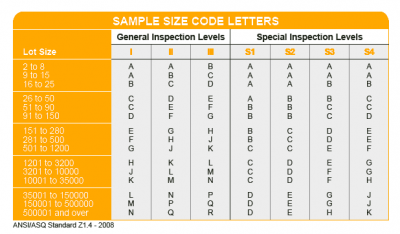 AQL Table | How to Read It
 TOP 10 Common Defects in Garments Quality Inspection
 Product Packaging and Shipment Label requirements for Amazon FBA
 What Is ASTM-F2413-18? Protective Footwear Standard
 How to Conduct Third-Party Quality Control Inspections for Electric Scooters
 SMETA Audit-What is SMETA Audit?
 TESTCOO Supplier Verification/Certification Service SLCP, Higg FEM, GRS, GOTS
 Quality Control Inspection Company in China
 What is Quality Inspection? A Complete Guide
 Guidelines for Product Inspection in India
Category
- Production Inspection Service
- Factory Audit
- Softline Inspection
- Hardline Inspection
- Electrics Inspection
- Certification
- Checklist
- Manufacturers
- Quality Assurance Basics
- Products Recall
- AQL
- Guidence and Standard
- News
- Supplier Management
- Amazon
- Protective Equipment
- e-commerce quality control
- Indian Manufacturing
- Soft Goods Quality Control
- Supply Chain Management
- Supply Chain Resilience
- E-Commerce Quality Control
- ISO 2859
- Supply Chain Optimization
- Garment Industry
- Higg Index