


Common Packaging and Labeling Failures in Medical Device Inspection And How to Avoid Them

Medical device packaging and labeling play an important role in product identification, traceability and safe use. Under the EU Medical Device Regulation (MDR), manufacturers must ensure that device information is accurate, packaging meets the applicable requirements and sterile barrier systems maintain their integrity where necessary. A wrong UDI, an inconsistent lot number, or a damaged sterile package can hold up a shipment or lead to further quality investigations. These problems are often discovered during final inspection, when correcting an entire batch may involve additional time and cost. Medical device inspection therefore needs to go beyond checking the finished product's appearance. Labels, packaging and traceability records must also be checked against approved specifications before products are released.
Why Are Packaging and Labeling Critical Under EU MDR?
Under EU MDR, packaging and labeling serve several purposes: they identify the device, provide information needed for safe use and help preserve the product during storage and distribution. These requirements are addressed in different sections of Regulation (EU) 2017/745.
Annex I, Section 23 sets out general requirements for information supplied with a medical device, including label content, readability and placement. Section 23.2 covers information required on device labels. Section 23.3 adds requirements for packaging used to maintain a device's sterile condition. Section 11 also addresses packaging and procedures intended to preserve the specified microbial state and, where applicable, sterility.
For manufacturers and buyers, these requirements translate into three areas that need to be checked:
- Device identification: Product details, UDI information, lot or serial numbers and other identifiers must match the approved device records.
- Label information: Required text, symbols, warnings and manufacturer details must be accurate, legible and appropriate for the device.
- Packaging protection: Packaging must protect the device under the specified storage and transport conditions. For sterile devices, the sterile barrier must remain intact until the package is opened at the point of use.
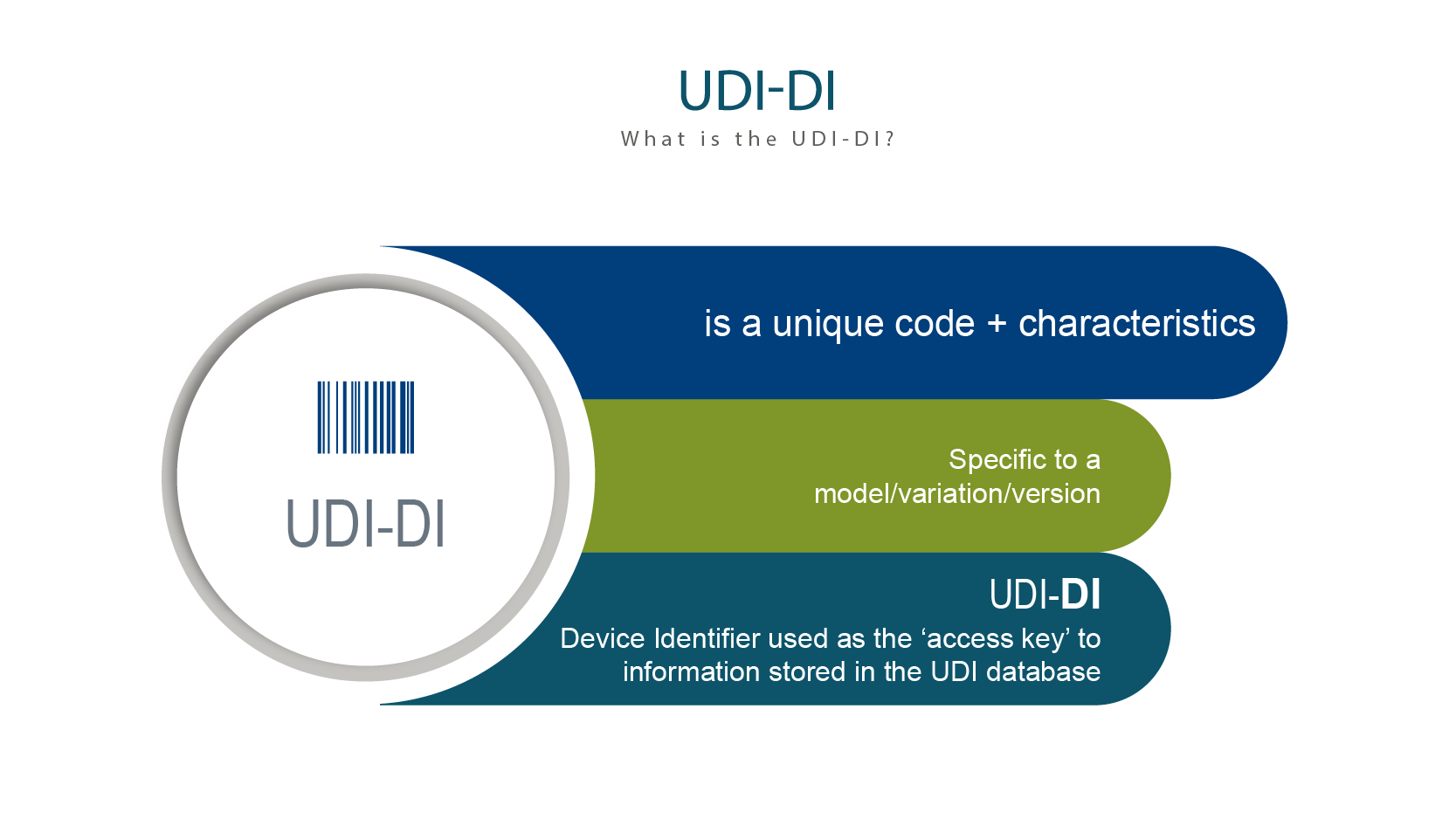
The Unique Device Identification (UDI) system adds a further layer of traceability. It supports the identification of medical devices throughout distribution and use. Manufacturers are responsible for assigning and maintaining the relevant UDI information. The UDI carrier is an additional identification element, not a replacement for the other labeling information required under the MDR.
A further development took effect in 2026. According to the European Commission, the EUDAMED UDI/Devices module became mandatory to use on 28 May 2026. Manufacturers must submit the relevant UDI and device information for products placed on the EU market, subject to applicable MDR provisions and transitional arrangements. This makes consistency between physical labels, device records and registration data increasingly important.
Source: Welcome to EU UDI Helpdesk
What Are the Most Common Packaging and Labeling Failures?
Packaging and labeling problems do not always involve obvious physical damage. A small difference between a printed identifier and an approved record can affect traceability just as much as a damaged package can affect product protection. The following issues deserve particular attention during medical device inspection.
1. Incorrect or Unreadable UDI Information
UDI discrepancies can make it difficult to identify a device and trace it through the supply chain. Some errors are visible on the label, while others only become apparent when the encoded data is checked against the manufacturer's records.
Common problems include:
- UDI-DI or UDI-PI information that differs from approved device records.
- A mismatch between the human-readable text and encoded barcode data.
- Blurred, incomplete, distorted, or poorly printed barcodes.
- Missing or incorrectly positioned UDI carriers on applicable packaging levels.
- Label information that does not match the device model, batch, or production configuration.
A UDI carrier generally combines automatic identification and data capture (AIDC), such as a barcode or Data Matrix, with a human-readable interpretation (HRI), subject to applicable MDR rules and exceptions. Placement requirements depend on the device and its packaging configuration. Higher packaging levels may also require their own UDI, while shipping containers are treated differently.
Checking whether a barcode looks clear is not enough. An effective UDI label inspection should compare the printed information with the approved label artwork and device records. Representative barcodes should also be scanned to confirm that the encoded data matches the human-readable information.
2. Incomplete or Inconsistent Device Label Information
A label may be clearly printed and still fail to meet the applicable requirements. Examples include an incorrect device name, an incomplete manufacturer address, missing authorised representative details where applicable, or differences in model, catalogue, lot and serial number information. Incorrect warnings, symbols, expiry information and destination-market translations can also create problems.
MDR Annex I, Section 23.2 identifies the information required on device labels. Not every requirement applies to every device. Some particulars depend on the device's characteristics, intended purpose and regulatory status. The information supplied must also be suitable for the intended user.
For this reason, a single generic label checklist is unlikely to cover every medical device. Each production label should be compared with the manufacturer's approved artwork, product specifications and applicable regulatory information.
The review should look for:
- Text that differs from the approved label version.
- Missing or incorrectly printed product identifiers.
- Illegible text, symbols, or warnings.
- Incorrect manufacturing or expiry dates.
- Inconsistent information between the device, individual package and outer carton.
Version control deserves particular attention when a factory handles several device models or packaging configurations. If an outdated artwork file remains in use after a product change, the error may affect an entire production batch.
3. Sterile Barrier Damage and Sealing Defects
For medical devices supplied in a sterile condition, packaging integrity is directly linked to the ability to maintain sterility until the package is opened.
Visible defects may include incomplete seals, wrinkles across the sealing area, seal channels, punctures, tears, delamination, contamination and damaged packaging materials. Poor handling or unsuitable storage conditions can also deform or damage packages before shipment.
MDR Annex I, Section 11.4 requires sterile devices to remain sterile under the transport and storage conditions specified by the manufacturer, unless the packaging intended to maintain sterility is damaged. The packaging's integrity must also be evident to the final user. Section 11.5 addresses the use of appropriate validated methods for processing, manufacturing, packaging and sterilizing devices labeled as sterile.
A medical device packaging integrity inspection can identify visible signs of damage, but visual examination alone cannot establish whether a sterile barrier is effective. Seal strength, package integrity and process performance require suitable assessment methods under the manufacturer's established validation and control procedures.
For terminally sterilized medical devices,ISO 11607-1 addresses materials and sterile barrier and packaging systems. ISO 11607-2 covers the validation of forming, sealing and assembly processes. These standards provide technical frameworks for packaging control, but they do not replace the need to follow device-specific requirements and validated procedures.
4. Packaging Mix-Ups and Traceability Gaps
A product can pass its functional and appearance checks but still be packed incorrectly. For example, a correctly manufactured device may be placed in the wrong carton, or the lot number on the carton may not match the products inside. Such discrepancies can complicate warehouse handling, distribution, complaint investigations and product recalls.
Typical problems include:
- Different product names or model numbers on primary and secondary packaging.
- Lot or serial numbers that do not match between the device label and carton label.
- Incorrect quantities or mixed product variants in one carton.
- Missing or inconsistent manufacturing and expiry dates.
- Incomplete records connecting packaging materials, production batches and finished products.
A medical device supplier traceability audit can examine how the supplier manages material identification, batch records, production changes, nonconforming products and record retention. The key question is whether the supplier can reconstruct the relevant product and process history when a discrepancy occurs.
Read More: Inspection First: Smart Brands’ Guide to Quality Control
How Can Buyers Prevent Packaging and Labeling Failures Before Shipment?
A final inspection can identify problems in finished goods, but it cannot prevent every labeling or packaging error from occurring. Buyers and manufacturers need controls at different points in production, starting with approved product information and continuing through printing, packaging and final release.
1. Approve Label Artwork and UDI Data Before Production
The factory should use the latest approved label artwork and device information. Before production begins, buyers and manufacturers need to establish which version applies to each device model, packaging level and destination market.
The review should cover:
- Device name, model and catalogue reference.
- UDI-DI and applicable UDI-PI information.
- Lot or serial number format.
- Manufacturer and authorised representative details, where applicable.
- Manufacturing date, expiry date, warnings and required symbols.
- Required language versions and label layout.
A pre-production label review is particularly useful when a device, packaging supplier, or printing process changes. It gives the manufacturer an opportunity to identify inconsistencies before they affect a large quantity of finished products.
2. Check Labels and Barcodes During Production
A finished-product sample may not reveal printing problems that occur intermittently or errors introduced during a production changeover. In-process checks provide another opportunity to identify these issues before packing is completed.
The checks should cover label content, print quality, application position and barcode readability. Where barcode verification is included in the agreed inspection scope, representative samples should be scanned and the decoded data compared with the approved UDI information.
Factories should also follow line-clearance procedures when changing device models, batches, or label versions. This helps prevent labels intended for one product configuration from being applied to another.

3. Monitor Sterile Barrier Packaging Processes
The condition of a sterile barrier depends on more than the packaging material itself. Equipment settings, sealing processes, handling and storage conditions all affect packaging performance.
Buyers should review the manufacturer's packaging controls, which may include:
- Approved packaging material specifications and supplier records.
- Defined sealing parameters and equipment settings.
- Process qualification and validation records.
- Routine seal inspection and integrity test results.
- Equipment maintenance and calibration records, where applicable.
- Procedures for handling damaged or nonconforming sterile packages.
A third-party inspection can identify visible defects and review relevant quality records within the agreed scope. It does not replace the manufacturer's responsibility for sterile barrier validation or sterilization process control.
4. Maintain Traceability at Batch Level
A reliable traceability system should link each finished device to the records needed to investigate a quality issue. Depending on the product and manufacturing process, these may include component and packaging material batches, production records, inspection results, sterilization records and finished-goods release information.
A supplier audit can test whether these records are accessible. The auditor may select a finished product or batch and ask the factory to retrieve its supporting documentation. The review should also cover how the supplier handles product changes, relabeling, rework, rejected items and corrective actions.
Traceability needs to work in both directions. The factory should be able to trace a finished product back to relevant production inputs. It should also be able to identify where products from a particular batch were distributed, subject to the records and responsibilities applicable to the supply chain.
Read More: EU GPSR Labeling Requirements for EU Representatives | Testcoo
What Should a Medical Device Inspection Checklist Cover?
A medical device inspection checklist should connect product identification, label accuracy, packaging condition and traceability evidence. Its scope needs to reflect the device type, packaging configuration, approved specifications and applicable regulatory requirements.
Inspection area | What to verify | Typical failure |
UDI and barcode | UDI data against approved records; barcode readability and encoded data | Incorrect UDI, unreadable code, data mismatch |
Label content | Product identity, manufacturer details, applicable warnings, dates and symbols | Missing or outdated information |
Label application | Print clarity, legibility, position and adhesion | Blurred text, smudging, peeling, misplaced labels |
Sterile barrier packaging | Visible damage, sealing appearance, contamination and relevant test records | Incomplete seal, puncture, wrinkles, damaged packaging |
Packaging configuration | Consistency between device, inner packaging, carton and quantity | Wrong carton, mixed products, incorrect quantity |
Traceability records | Relevant batch, production, packaging, inspection and release records | Missing records or inconsistent batch information |
The checklist should also explain how nonconformities are recorded and escalated. A barcode that cannot be read, a label that conflicts with approved device data, or a damaged sterile package should be clearly documented. The report should identify the affected quantities and include available evidence.
When a defect may affect an entire batch, the buyer and manufacturer should agree on containment and disposition before shipment. Reprinted labels or replacement packaging should be followed by appropriate reinspection and updates to the relevant records.
An inspection report provides evidence for these decisions. It does not, however, determine regulatory acceptability or replace the responsibilities of the manufacturer and other relevant economic operators.
Read More: Product Packaging and Shipment Label requirements for Amazon FBA
Frequently Asked Questions
1.What Information Must Appear on a Medical Device Label Under EU MDR?
MDR Annex I, Section 23.2 specifies information such as the device name, details needed to identify the device and its contents and the manufacturer's name and registered business address. Additional particulars may apply depending on the device, including authorised representative details and specific identification information.
2.Does Every Medical Device Need a UDI?
The MDR establishes UDI requirements for devices within its scope, but specific rules and exceptions apply. Custom-made devices, for example, are treated differently under the UDI provisions. The applicable requirements should be checked against the device type, classification and packaging configuration rather than assuming that every device requires the same UDI format.
3.Is a UDI Barcode Enough to Meet EU MDR Labeling Requirements?
No. UDI is an additional identification requirement. It does not replace the other labeling information required under the MDR. The UDI carrier must also meet the applicable requirements for human-readable interpretation and machine-readable identification, subject to relevant exceptions.
4.Can Visual Inspection Confirm That Sterile Packaging Is Intact?
Visual inspection can identify visible defects such as punctures, tears, wrinkles and incomplete-looking seals. It cannot independently demonstrate that a sterile barrier maintains its integrity. Appropriate testing and validated packaging processes remain necessary under the manufacturer's control procedures.
5.What Should a Medical Device Supplier Traceability Audit Examine?
A traceability audit should assess whether the supplier can connect finished products with relevant material batches, production records, packaging information, inspection results and release records. It should also examine how the factory controls product changes, nonconforming products, rework and corrective actions.

How Can Medical Device Inspection Support Better Traceability Before Shipment?
Medical device inspection needs to cover more than the condition of finished products. UDI information, label accuracy, packaging integrity and supplier records all affect whether a device can be identified, handled and traced correctly throughout the supply chain.
Testcoo supports buyers through product inspections, packaging and labeling checks and supplier audits within an agreed scope. These activities help buyers review production conditions, identify discrepancies and improve visibility before goods leave the factory. For medical device manufacturers and importers, the value of inspection lies in having clear evidence of product and packaging conditions before shipment, while maintaining the manufacturer's responsibility for regulatory compliance and product release.





Free Sample Report Performance Quality Control
Download a sample report to keep control of your supply chain!

Featured Articles
 AQL Table | How to Read It
 TOP 10 Common Defects in Garments Quality Inspection
 Product Packaging and Shipment Label requirements for Amazon FBA
 What Is ASTM-F2413-18? Protective Footwear Standard
 How to Conduct Third-Party Quality Control Inspections for Electric Scooters
 SMETA Audit-What is SMETA Audit?
 TESTCOO Supplier Verification/Certification Service SLCP, Higg FEM, GRS, GOTS
 Quality Control Inspection Company in China
 What is Quality Inspection? A Complete Guide
 Guidelines for Product Inspection in India
Category
- Production Inspection Service
- Factory Audit
- Softline Inspection
- Hardline Inspection
- Electrics Inspection
- Certification
- Checklist
- Manufacturers
- Quality Assurance Basics
- Products Recall
- AQL
- Guidence and Standard
- News
- Supplier Management
- Amazon
- Protective Equipment
- e-commerce quality control
- Indian Manufacturing
- Soft Goods Quality Control
- Supply Chain Management
- Supply Chain Resilience
- E-Commerce Quality Control
- ISO 2859
- Supply Chain Optimization
- Garment Industry
- Higg Index