


G Mark Certification Explained: A Compliance Guide for GCC Market Access
↵
The Gulf Cooperation Council (GCC) has become one of the fastest growing destinations for consumer products, toys and electrical goods, creating significant opportunities for exporters seeking to expand their presence in the Middle East. Simultaneously, GCC authorities have strengthened product safety regulations and customs enforcement to ensure that products entering the region comply with unified technical requirements and consumer protection standards.Therefore, understanding when the G Mark applies, how the certification process works and how businesses can prepare for compliance is becoming increasingly important for exporters targeting Gulf markets.
What Is G Mark Certification and Why Is It Required in GCC Countries?
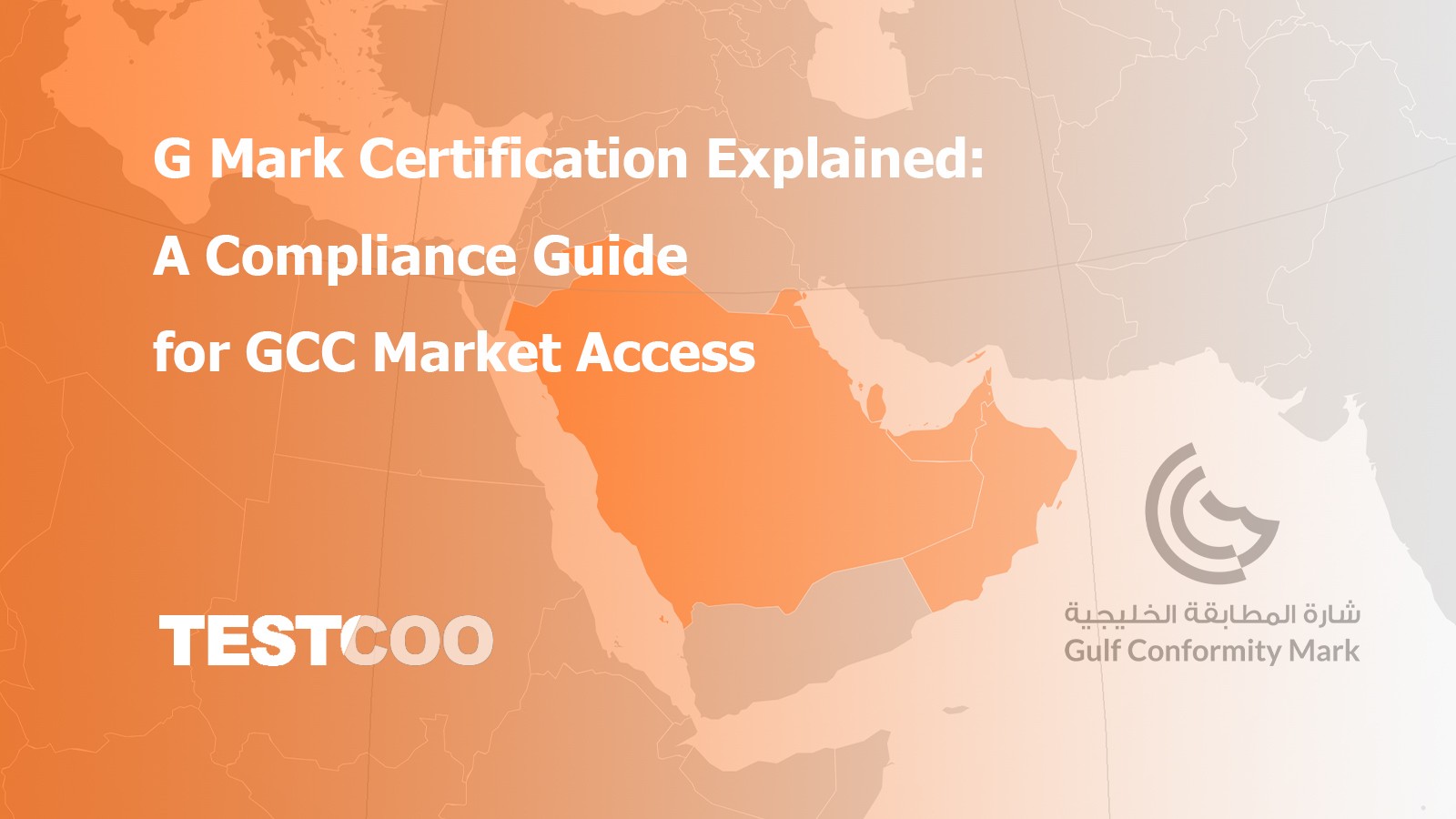
The Gulf Conformity Mark, commonly known as the G Mark, demonstrates that regulated products comply with Gulf Technical Regulations and meet the health, safety and environmental requirements established by GCC member states. By carrying the G Mark, manufacturers and importers confirm that their products have successfully completed the applicable conformity assessment procedures and are legally eligible for sale in participating Gulf markets.
The G Mark serves a similar regulatory function to CE Marking in the European Union by creating a harmonized product safety framework across multiple countries. Rather than requiring manufacturers to comply with different national regulations for each market, the system allows products that satisfy Gulf Technical Regulations to move more efficiently across participating GCC countries while maintaining consistent safety and compliance standards.
Exporters should not view the G Mark solely as a certification requirement. It also functions as an important risk management tool that helps reduce customs delays, improve importer confidence and demonstrate compliance readiness during market entry and buyer-qualification processes.
Which Countries Recognize G Mark?
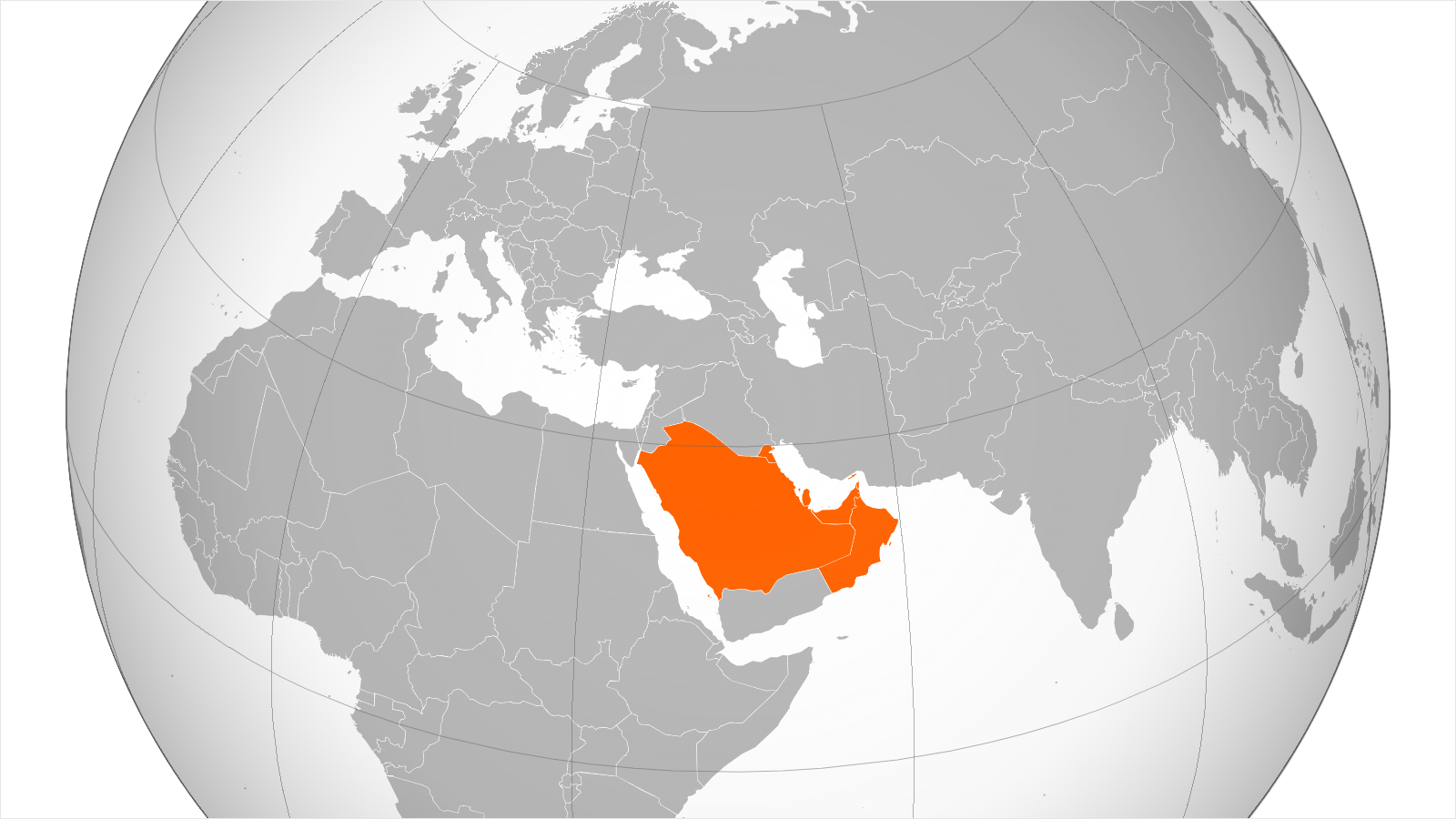
The G Mark is recognized across member states of the Gulf Cooperation Council (GCC) and supports the region's objective of creating a unified product compliance framework and integrated customs market. Products that successfully complete the applicable conformity assessment procedures can generally circulate across participating markets without separate national certification processes.
The countries currently recognizing the G Mark requirements include:
- Saudi Arabia
- United Arab Emirates (UAE)
- Qatar
- Kuwait
- Bahrain
- Oman
- Yemen
The system is coordinated by the Gulf Standardization Organization (GSO), which develops unified technical regulations and conformity assessment procedures for the GCC markets. Through this harmonized approach, the GSO aims to improve consumer safety, facilitate regional trade and reduce regulatory fragmentation among member states.
For manufacturers and exporters, this unified regulatory framework offers significant commercial benefits. A properly certified product can gain access to multiple Gulf markets through a single compliance pathway, reducing administrative complexity while improving the speed to market across the region.
What Does the G Mark Symbol Mean for Importers and Buyers?
For importers, distributors and retailers operating in GCC markets, the G Mark serves as a visible indication that a product complies with the applicable Gulf Technical Regulations and has completed the required conformity assessment procedures. This mark demonstrates that the product meets the relevant health, safety and environmental requirements established under the GCC regulatory framework.
Beyond regulatory compliance, the G Mark plays an important role in reducing commercial and operational risks. Products covered by mandatory G Mark requirements but lacking valid certification may face customs delays, import rejection, product recalls, or market withdrawal actions. As a result, many importers and buyers treat G Mark verification as a standard supplier qualification requirement before placing orders or approving the shipments.
The presence of the G Mark can also improve buyer confidence by providing a standardized compliance reference across multiple Gulf markets. Rather than evaluating different national approval systems, buyers can rely on a unified conformity framework to assess product readiness for regional distribution.
For businesses targeting multiple GCC countries, the G Mark certification further supports smoother market access and regional product circulation. By complying with harmonized Gulf Technical Regulations, exporters can simplify market-entry processes and reduce the complexity associated with managing separate compliance requirements across different jurisdictions.
Which Products Require G Mark Certification?
Not all products exported to the GCC markets require G Mark certification. However, products covered by the Gulf Technical Regulations cannot be legally imported, distributed, or sold unless they have completed the applicable conformity assessment procedures and comply with the relevant GCC safety requirements. Among the currently regulated categories, children's toys and certain low-voltage electrical equipment are the most common products requiring G Mark certification.
Why Are Children's Toys Subjected to G Mark Requirements?
Children's toys are one of the earliest and most heavily regulated product categories under the GCC conformity framework because of their direct impact on child safety and consumer protection. Because toys are intended for use by infants and young children, regulators place particular emphasis on preventing injuries, choking incidents, exposure to hazardous substances and other foreseeable risks during normal use and misuse of toys.
The G Mark conformity assessment for toys typically evaluates multiple safety aspects, including physical and mechanical hazards, chemical safety requirements, product labeling and age-appropriateness warnings. Depending on the product type, manufacturers may need to demonstrate compliance with the following requirements:
- Small parts and choking hazards
- Sharp edges and accessible points
- Flammability risks
- Restricted substances and chemical content
- Arabic labeling and warning instructions
- Age grading and intended use declarations
Category | Specification Parameter Name |
Product Specifications | Product Number |
Product Category | |
Product Scope | |
Product HS Code | |
Product Description | |
Trademark/Brand | |
Manufacturer | |
Manufacturing Country | |
Countries Considered | |
Dimensions | |
Model Numbers | Model Number |
Notes | |
Barcode | |
Product Photos | General Photos |
Label Photos | |
Packaging Photos |
As toy products fall within the mandatory scope of GCC Toy Technical Regulations, manufacturers and importers must obtain the appropriate G Mark certification before products can legally enter the market. Failure to comply may result in customs detention, shipment rejection or product withdrawal from the market.
Which Low-Voltage Electrical Products Require G Mark Certification?
Low-voltage electrical equipment is another major product category subject to mandatory G Mark requirements in GCC markets. These regulations generally apply to electrical products operating within specified voltage ranges and intended for consumer or commercial use.
Products commonly falling within the regulated scope include
- Household electrical appliances
- External power supplies and adapters
- Lighting products and luminaires
- Small consumer electronics
- Electrical accessories and components
Category | Specification Parameter Name |
Product Specifications | Product Number |
Product Category | |
Product Scope | |
Product HS Code | |
Product Description | |
Trademark/Brand | |
Manufacturer | |
Manufacturing Country | |
Countries Considered | |
Technical Specifications | Rated Voltage |
Rated Frequency | |
Rated Power / Input Power | |
Capacity | |
Rated Current | |
Protection against Electric Shock / Class | |
Degree of Protection (IP Rating) | |
Dimensions | |
Model Numbers | Model Number |
Notes | |
Barcode | |
Product Photos | General Photos |
Packaging Photos | |
Trade Mark Photos | |
Label Photos |
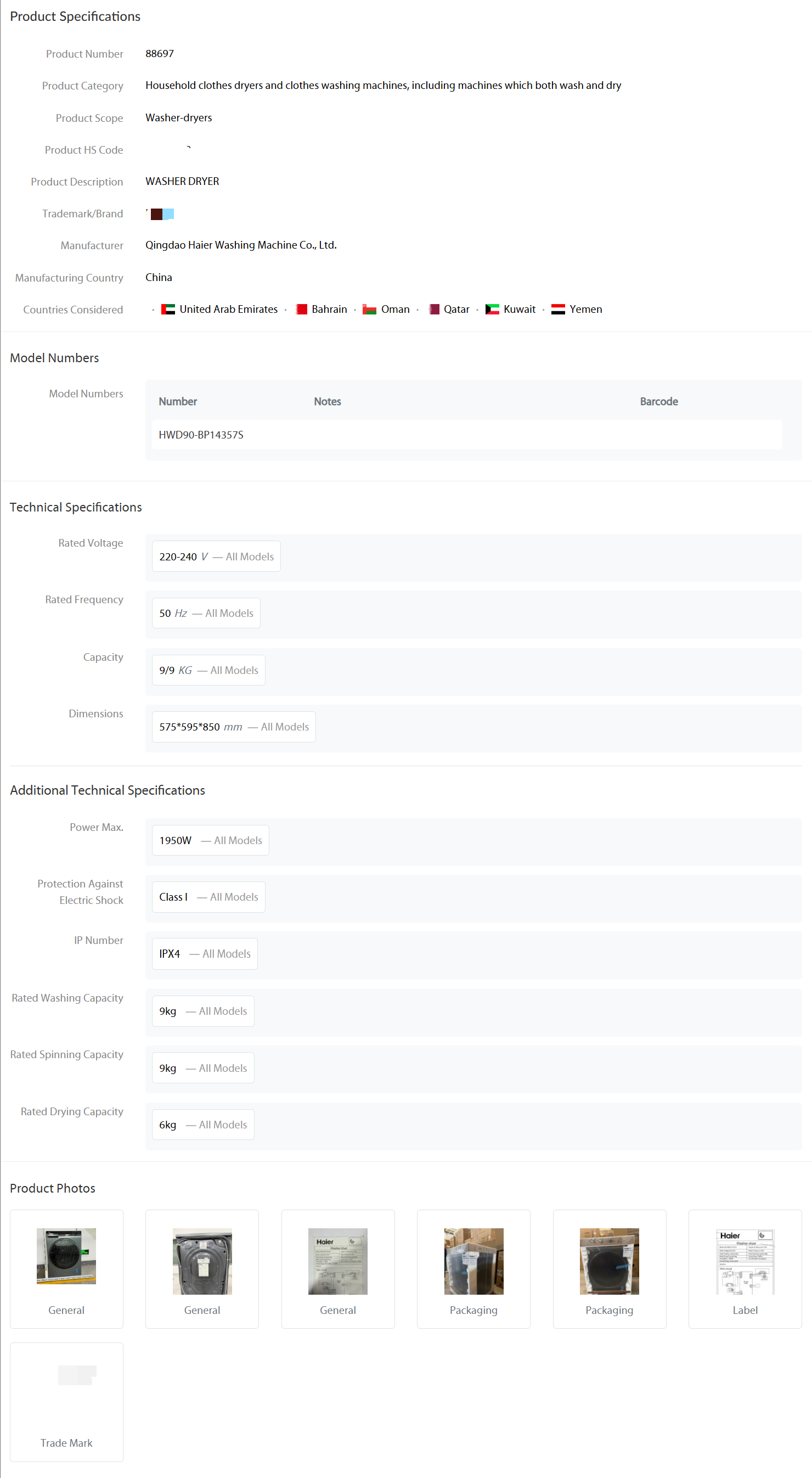
The conformity assessment process focuses on electrical safety, insulation performance, protection against electric shock, risks of overheating and product labeling requirements. Because product scope classifications can vary depending on technical specifications and intended use, exporters are encouraged to confirm applicability before shipment to avoid customs clearance issues or market entry delays.
For companies exporting electrical products to the GCC countries, early compliance planning can significantly reduce regulatory uncertainty and improve market access efficiency.
How Does the G Mark Certification Process Work?
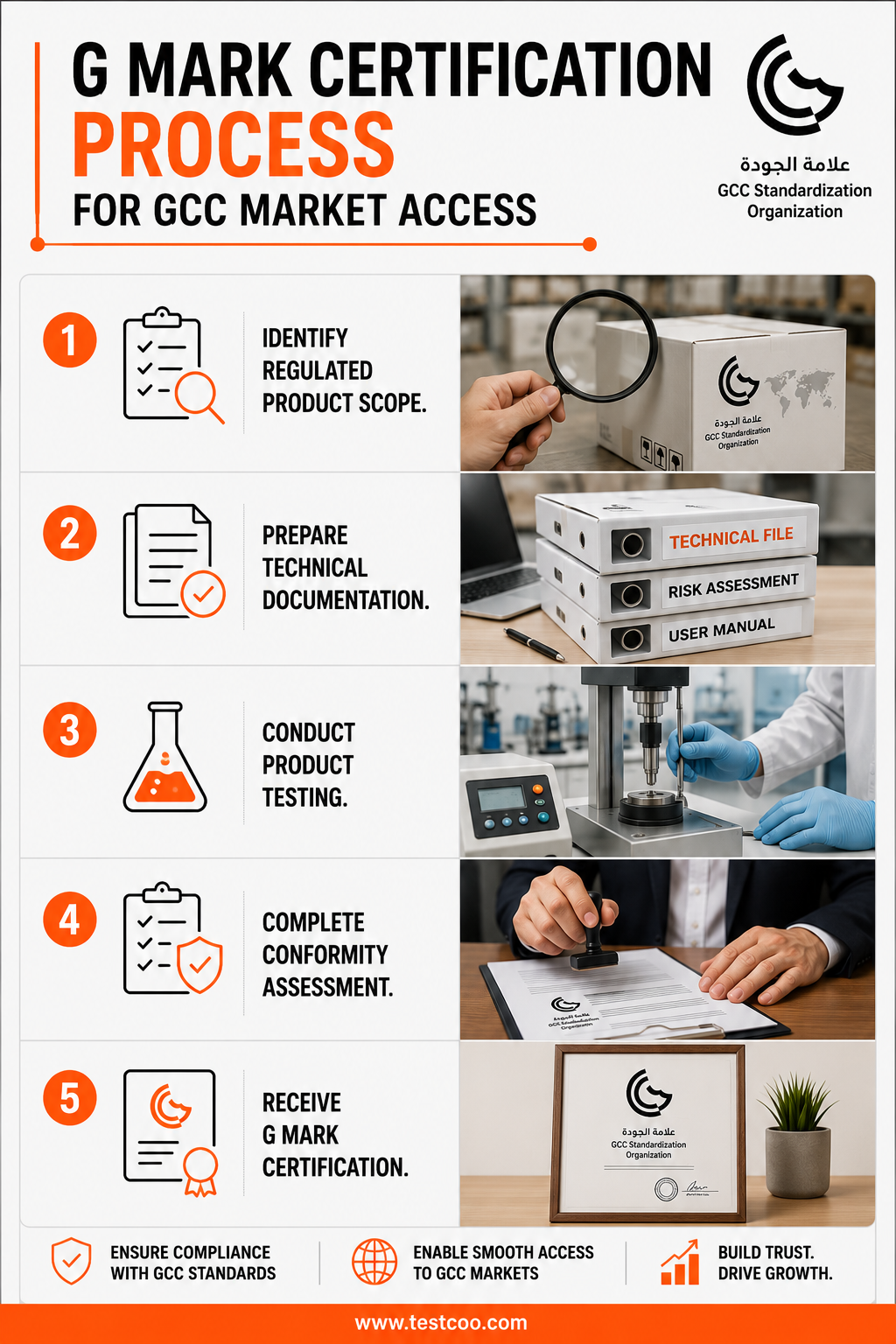
Obtaining the G Mark certification requires manufacturers and importers to complete conformity assessment activities before regulated products can enter the GCC markets. Although specific requirements may vary depending on the product category and applicable Gulf Technical Regulations, the certification process generally involves product testing, technical documentation review and verification by an approved conformity assessment body.
Unlike traditional import inspections conducted at customs, G Mark compliance is designed to verify product safety and regulatory conformity before products are placed on the market. Therefore, early preparation plays an important role in avoiding shipment delays, customs clearance issues and market access disruptions.
What Technical Documentation Is Required?
A successful G Mark application relies heavily on complete and accurate technical documentation. Manufacturers must demonstrate that their products comply with applicable safety requirements and that appropriate risk controls have been implemented during product design and manufacturing.
Typical documentation requirements include the following:
- A technical file containing product information and design details
- Product risk assessments identifying potential hazards and mitigation measures
- Applicable product testing reports issued by accredited laboratories
- Product specifications and technical drawings
- User manuals and safety instructions, including required Arabic information where applicable
- A Declaration of Conformity confirming compliance with relevant Gulf Technical Regulations
Incomplete or inconsistent documentation is one of the most common causes of certification delays and customs clearance issues for first-time exporters entering GCC markets.
How Do Notified Bodies Participate in Certification?
For products within the mandatory G Mark categories, conformity assessment activities are conducted or reviewed by organizations approved under the GCC regulatory framework. These organizations, commonly referred to as GSO Notified Bodies, are responsible for verifying that products meet the applicable technical requirements before certification is granted.
Depending on the product category and certification route, Notified Bodies may perform the following:
- Review of product testing reports
- Verification of technical documentation
- Assessment of compliance with applicable Gulf Technical Regulations
- Issuance of certificates supporting G Mark application
Once the conformity assessment process is successfully completed, manufacturers and importers may proceed with product registration and market entry activities in accordance with GCC regulatory requirements. Early engagement with qualified conformity assessment partners can help reduce compliance risks and accelerate the certification process.
Why Do Exporters Fail G Mark Compliance Assessments?
Many G Mark certification delays are not caused by product safety failures but by documentation gaps, labeling issues and misunderstandings of the regulatory scope. Early identification of these common compliance risks can significantly improve certification efficiency and reduce shipment disruptions when entering GCC markets.
Incomplete Technical Documentation
Incomplete technical documentation remains one of the most common reasons for delayed G Mark approval. In many cases, manufacturers submit testing reports without supporting technical files, product specifications, risk assessments, or declarations of conformity, as required by the applicable Gulf Technical Regulations.
Documentation inconsistencies can create uncertainty during conformity assessments and may require additional clarification or supplementary testing before approval. Establishing a complete and well-maintained technical file before production can significantly reduce certification delays and improve regulatory readiness.
Missing Arabic Labeling Requirements
Arabic labeling requirements are frequently underestimated by exporters entering the GCC markets for the first time. While products may already comply with CE or other international labeling standards, GCC regulations often require specific information to be presented in Arabic or bilingual formats.
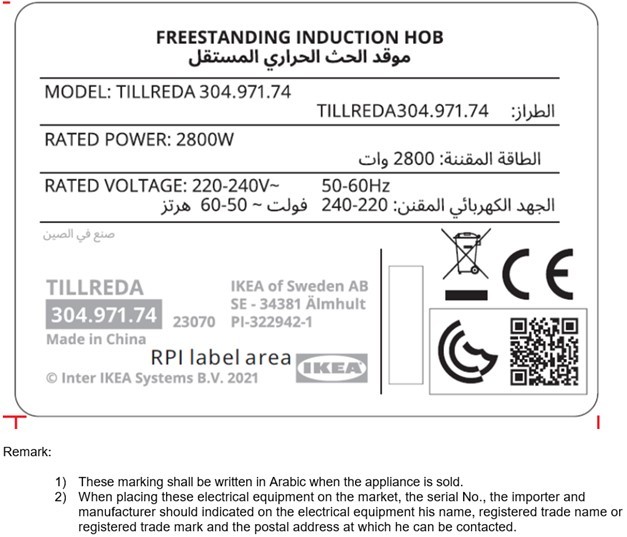
Missing product information, safety warnings, importer details, or user instructions can result in customs clearance delays or requests for relabeling before products can be marketed. Because labeling requirements vary depending on the product category and destination country, verification should be completed during product development rather than after shipment preparation.
Non Compliant Product Testing Reports
Testing reports that do not align with GCC technical regulations or originate from unacceptable testing bodies can also create certification challenges. In some cases, manufacturers rely on outdated reports, incorrect testing standards, or reports that do not fully cover the applicable product scopes.
To avoid unnecessary retesting and certification delays, exporters should confirm testing requirements early and ensure that reports support the Gulf Technical Regulations applicable to the product.
Incorrect Product Scope Classification
Incorrect product classification is another frequent cause of non-compliance. Some exporters assume that their products fall outside the mandatory G Mark requirements, while others pursue certification unnecessarily for products that are not currently regulated.
Product scope classification can be particularly complex for multifunctional products, accessories and products that incorporate electrical components. Early confirmation of regulatory applicability can help companies avoid unexpected compliance costs, delays in shipment and customs disputes.
How Does G Mark Certification Affect Supply Chain Risk Management?
G Mark compliance should be managed as part of a broader supply chain risk control rather than a final export documentation requirement. Integrating compliance activities earlier into sourcing, production and shipment planning can reduce operational risks while improving market access.
Why Early Compliance Verification Reduces Shipment Delays?
Compliance issues identified shortly before shipment often result in significantly higher costs and operational disruptions. Missing certifications, incorrect labeling, or incomplete documentation may trigger customs detentions, additional inspections, or requests for corrective actions after products have already entered the export process.
These delays can lead to production rework, product retesting, shipment rescheduling and additional logistics expenses, such as storage charges or demurrage costs. Early compliance verification helps exporters identify risks before production completion, reducing the likelihood of expensive last-minute corrections.
Why Supplier Compliance Visibility Matters?
As supply chains become increasingly international, manufacturers and importers require greater visibility into supplier compliance capabilities and documentation readiness. Regulatory compliance is no longer limited to the final product and increasingly depends on supplier management throughout the production process.
Strong supplier visibility supports more effective supplier qualification, technical documentation control, testing coordination and production scheduling. Companies that integrate compliance management into supplier performance evaluation are often better positioned to respond to changing regulations and to maintain stable market access across multiple regions.
Frequently Asked Questions
1. Is the G Mark mandatory in Saudi Arabia and the UAE?
Yes. For products covered by the applicable Gulf Technical Regulations, G Mark certification is mandatory before products can be imported, distributed, or sold in Saudi Arabia, the UAE and other GCC member states.
2. Does CE certification replace the G Mark?
No. Although CE testing reports may support parts of the conformity assessment process, CE certification does not replace the G Mark requirements for regulated products in GCC markets.
3. Can customs stop products without the G Mark?
Yes. Products that fall within the mandatory G Mark categories may be detained, rejected, or prevented from entering the market if valid conformity documentation is unavailable.
4. Who can issue G-Mark certificates?
G Mark certificates can only be issued by conformity assessment bodies approved and recognized under the GCC regulatory framework, commonly referred to as GSO Notified bodies.
5. Does every product exported to the GCC require a G Mark?
No. The G Mark requirements apply only to product categories covered by the Gulf Technical Regulations, such as toys and certain low-voltage electrical equipment. Products outside these regulated categories generally do not require the G Mark certification.
How Can Third-Party Quality Control Support G Mark Compliance?
Achieving G Mark compliance requires more than merely completing certification procedures. Exporters must also ensure that products, documentation, labeling and production processes are aligned with GCC regulatory requirements throughout the supply chain. Integrating quality control activities into compliance management can help identify risks earlier, improve shipment readiness and reduce costly disruptions during customs clearance and market entry.
Final Random inspections play an important role in verifying product conformity before goods leave the factory. Activities such as labeling verification, packaging checks, product marking confirmation and sampling inspections can help identify potential compliance issues before products reach the GCC customs authorities. Similarly, supplier audits provide additional visibility into factory capabilities, documentation practices, quality management systems and traceability controls, helping exporters strengthen their compliance readiness at the source.
Drawing on its extensive experience in quality assurance and supply chain management, Testcoo supports exporters entering GCC markets through supplier audits, product inspections, labeling verification, shipment release checks and compliance coordination services. While G Mark certificates can only be issued by approved GSO Notified Bodies, early quality verification and stronger supplier visibility can help companies reduce customs risks, improve compliance readiness and build greater confidence among importers, distributors and buyers in the Gulf region.


Free Sample Report Performance Quality Control
Download a sample report to keep control of your supply chain!

Featured Articles
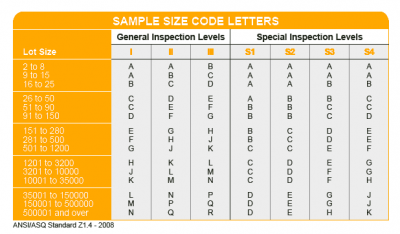 AQL Table | How to Read It
 TOP 10 Common Defects in Garments Quality Inspection
 Product Packaging and Shipment Label requirements for Amazon FBA
 What Is ASTM-F2413-18? Protective Footwear Standard
 How to Conduct Third-Party Quality Control Inspections for Electric Scooters
 SMETA Audit-What is SMETA Audit?
 TESTCOO Supplier Verification/Certification Service SLCP, Higg FEM, GRS, GOTS
 Quality Control Inspection Company in China
 What is Quality Inspection? A Complete Guide
 Guidelines for Product Inspection in India
Category
- Production Inspection Service
- Factory Audit
- Softline Inspection
- Hardline Inspection
- Electrics Inspection
- Certification
- Checklist
- Manufacturers
- Quality Assurance Basics
- Products Recall
- AQL
- Guidence and Standard
- News
- Supplier Management
- Amazon
- Protective Equipment
- e-commerce quality control
- Indian Manufacturing
- Soft Goods Quality Control
- Supply Chain Management
- Supply Chain Resilience
- E-Commerce Quality Control
- ISO 2859
- Supply Chain Optimization
- Garment Industry
- Higg Index