


How Importers Can Prepare for FDA Medical Device Listing in the U.S. Market
Importing a medical device into the United States involves more than confirming that a supplier has an FDA registration number. Importers need to understand which establishment must register, who is responsible for listing the device, whether the product requires premarket clearance or approval and how labeling and Unique Device Identification (UDI) requirements apply. These responsibilities can become less clear when a brand uses an overseas contract manufacturer or sells products under a private label. Missing manufacturer details, inconsistent device information, incomplete test records and outdated registrations can create problems during import review or later FDA inspections. A practical FDA medical device registration workflow should therefore connect regulatory role assessment with supplier document collection, technical verification and pre-shipment quality control.
Who Must Register and List Medical Devices for the U.S. Market?
The registration and listing obligations depend on the activities performed by each establishment. Importers should identify the roles of the foreign manufacturer, U.S. importer, brand owner and any company responsible for packaging or labeling before deciding who needs to register.
Do Foreign Medical Device Manufacturers Need FDA Registration?
Foreign establishments that manufacture or process medical devices for commercial distribution in the United States generally need to register with the FDA and list the applicable devices. This includes contract manufacturers, contract sterilizers and certain foreign exporters.
A foreign establishment must also designate a U.S. Agent as part of its registration information. The agent acts as the FDA's U.S. contact for the foreign establishment, but does not take over the manufacturer's regulatory responsibilities.
Foreign establishments must complete the applicable registration requirements before exporting medical devices to the United States.
Importers should obtain the manufacturer's establishment registration details and device listing information early in supplier qualification. A supplier's registration number alone is not enough to establish that the specific product, manufacturing site and activity are correctly represented.
Does a U.S. Importer Need to Register Separately?
An initial importer is generally a business that takes first possession of a medical device imported into the United States and furthers its distribution to the person who makes the final delivery or sale to the ultimate user, without repackaging or changing the device's labeling or packaging.
Initial importers have their own FDA obligations. These include:
- Establishment registration.
- Medical Device Reporting (MDR).
- Reports of Corrections and Removals, where applicable.
- Medical Device Tracking for devices subject to tracking requirements.
An initial importer must also identify the foreign manufacturers of the devices it imports in its registration information. It does not create the manufacturer's device listing in place of the foreign establishment.
This distinction matters when an importer works with several overseas factories. It must maintain accurate manufacturer information and ensure that the devices it imports are associated with the correct foreign establishment records.
What Changes When a Brand Uses a Private-Label Manufacturer?
Private-label arrangements often create uncertainty because the brand owner, product developer, manufacturer and labeler may be different companies.
The company name printed on a product does not, by itself, determine which establishment must register. The FDA considers the actual activities performed. A specification developer, relabeler, or repackager may have its own registration and listing obligations. A company that only distributes devices without importing or performing other regulated activities may have different obligations.
UDI responsibilities also depend on the labeler role. The FDA defines a labeler as a person who causes a label to be applied to a device, or causes it to be modified, with the intention that the device will be commercially distributed without subsequent replacement or modification. In many cases this is the manufacturer, but it may also be a specification developer, repackager, or relabeler.
Private-label brands should document the commercial and regulatory responsibilities agreed with their manufacturing partners. The agreement should clarify who controls the device specifications, who owns the labeling information, who submits UDI data and which establishment maintains the relevant registration and listing records.
Read More: Medical Device Inspection: Packaging and Labeling Risks | TESTCOO

Which FDA Medical Device Requirements Must Be Resolved Before Listing?
Establishment registration and device listing are only part of the regulatory process. Before an importer prepares a listing workflow, it should confirm the device classification, applicable premarket pathway, labeling requirements and quality system obligations.
Which Premarket Pathway Applies to the Device?
The FDA classifies medical devices into Class I, Class II, or Class III according to the level of regulatory control needed to provide reasonable assurance of safety and effectiveness.
The applicable premarket pathway depends on the device's classification, intended use, characteristics and whether a suitable legally marketed predicate exists.
Pathway | Typical application | What the importer should verify |
510(k) Premarket Notification | Devices requiring premarket notification that can demonstrate substantial equivalence to a legally marketed predicate | FDA clearance letter, correct device identification and relevant submission details |
De Novo Classification | Certain novel, low-to-moderate-risk devices without a suitable predicate | FDA De Novo grant and the device's resulting classification |
Premarket Approval (PMA) | Most Class III devices requiring the highest level of premarket review | FDA PMA approval and the approved device and manufacturing scope |
Premarket Review Exemption | Certain Class I and Class II devices, subject to applicable limitations | Product classification and confirmation that the exemption applies |
A 510(k) demonstrates substantial equivalence to a legally marketed predicate. A De Novo request provides a pathway for certain novel devices where general controls, or general and special controls, can provide reasonable assurance of safety and effectiveness. PMA is the more rigorous approval pathway generally required for Class III devices. Some Class I and Class II devices are exempt from 510(k), but exemption from premarket notification does not mean exemption from all FDA controls.
Importers should not assume that every medical device requires a 510(k), or that an exemption removes the need for registration, listing, labeling and other applicable controls. The FDA Product Classification Database is a useful starting point for confirming the relevant product code and classification.
An important timing rule also applies: when a device requires premarket clearance or approval, the establishment generally must wait until the relevant submission has been cleared or approved before listing the device.
How Do UDI and GUDID Requirements Affect Device Listing?
The FDA's Unique Device Identification system supports the identification of medical devices throughout manufacturing, distribution and use. Unless an applicable exception or alternative applies, device labelers must place a UDI on device labels and packages and submit the required device information to the Global Unique Device Identification Database (GUDID).
A UDI generally includes two components:
- Device Identifier (DI): The fixed portion that identifies the labeler and the specific device model or version.
- Production Identifier (PI): The conditional portion that can identify production details such as a lot or batch number, serial number, manufacturing date, or expiration date.
The labeler must provide the UDI in human-readable text and a machine-readable format, subject to applicable exceptions. GUDID contains the device identifier and associated information, not the production identifier.
Importers and private-label brands should verify that the UDI information matches the approved product and labeling records. Differences between the label, barcode, device model and GUDID record can create avoidable traceability problems.
The business responsible for submitting GUDID information should also be identified before production. Buyers should not assume that the factory, brand owner and UDI labeler are automatically the same entity.
What Quality System Requirements Should Importers Consider?
The FDA's Quality Management System Regulation (QMSR) became effective on February 2, 2026. It amended the device current good manufacturing practice requirements under 21 CFR Part 820 and incorporates ISO 13485:2016 by reference. The QMSR applies to finished device manufacturers that intend to commercially distribute medical devices, subject to the regulation's scope and exemptions.
For manufacturers subject to QMSR, quality system records are important evidence of how devices are designed, produced, inspected and controlled. The FDA has also confirmed that its investigators may review records such as internal quality audits, management reviews and supplier audit reports during inspections conducted under the QMSR.
Importers should therefore assess whether their suppliers can provide relevant quality records and demonstrate control over production processes and outsourced activities. An ISO 13485 certificate can be useful supplier qualification evidence, but it does not replace FDA registration, device listing, or any required premarket authorization.
How Can Importers Complete FDA Medical Device Registration and Listing?
A structured registration workflow helps importers identify the responsible establishments, verify the product's regulatory pathway and reduce inconsistencies between supplier documents and FDA records.
Step 1: Confirm the Device Classification and Regulatory Role
Start by documenting the product's intended use, device type, product code, classification and any applicable exemption. Then map the companies involved in the supply chain.
At minimum, identify:
- The finished device manufacturer and manufacturing site.
- The foreign exporter, where applicable.
- The U.S. initial importer.
- The specification developer or private-label brand owner, if applicable.
- The UDI labeler and the party responsible for GUDID submissions.
- Any contract packager, relabeler, or sterilization establishment involved.
This role assessment helps determine which establishments must register, which must list devices and which must identify manufacturers in their importer registration records.
Step 2: Confirm the Premarket Submission Status
Before creating a device listing, determine whether the product requires 510(k) clearance, De Novo classification, PMA approval, or qualifies for an applicable exemption.
Collect the supporting regulatory records from the manufacturer or submission holder. Depending on the pathway, these may include:
- FDA 510(k) clearance letter and submission number.
- FDA De Novo granting order and classification details.
- PMA approval letter and relevant approval information.
- Product classification and applicable exemption references.
Verify that the device name, product model, intended use, manufacturing information and other relevant details correspond to the product being imported. A clearance or approval for a different product configuration should not be treated as automatic authorization for the imported device.
Step 3: Set Up the Owner/Operator Account and Registration
Registration and listing information is submitted electronically through the FDA Unified Registration and Listing System (FURLS), using the Device Registration and Listing Module (DRLM).
Each owner/operator needs an account ID and password. If another person is assigned as the official correspondent, the owner/operator must establish the appropriate account arrangement for that role.
Establishments subject to the registration fee must pay the applicable annual user fee and obtain the required payment information before completing registration. The FDA considers registration complete after the fee is paid, the registration and listing information is submitted electronically and the required confirmation is received.
Foreign establishments must register before exporting medical devices to the United States. Domestic initial importers must register before importing. Registration information must also be reviewed annually between October 1 and December 31, with updates submitted when establishment or listing details change.
Step 4: Submit the Device Listing or Identify the Foreign Manufacturer
The information submitted depends on the establishment's role.
For establishments responsible for listing devices, the process generally includes entering the applicable product information, proprietary name, activity information and premarket submission number where required. Devices exempt from premarket notification follow a different listing process using the relevant product code.
Initial importers follow a different route. They identify the foreign manufacturer using its listing number, registration number, or establishment details, then select the devices they import.
Importers should retain the resulting registration and listing information and cross-check it against purchase orders, supplier documentation, product labels and shipment records.
Step 5: Verify UDI, Labeling and Database Information
UDI and GUDID checks should be included in the regulatory preparation process rather than left until the goods are ready to ship.
The importer should confirm that:
- The applicable UDI appears on the required device labels and packaging.
- Human-readable and machine-readable information correspond.
- The DI identifies the correct labeler and device model.
- Applicable PI information matches the production records.
- Required GUDID information has been submitted by the responsible labeler.
- The product name, model, manufacturer and packaging details are consistent across relevant records.
The UDI requirements have specific exceptions and alternatives. Importers should verify whether one applies to their device rather than assuming that every product follows an identical labeling format.

How Should Importers Build a Pre-Shipment Evidence Workflow?
A practical workflow connects regulatory preparation with supplier verification and product quality checks. The objective is to identify gaps while there is still time to resolve them, rather than discovering inconsistencies after the goods have left the factory.
1. Collect Regulatory and Product Documents Before Production
Before placing a production order, request the manufacturer's establishment details, device listing information, premarket clearance or approval records where applicable, UDI information and approved product specifications.
For private-label products, also document which company is responsible for device specifications, labeling, UDI submission and registration activities. Any change in device model, supplier, or manufacturing site should trigger a review of the relevant records.
2. Establish a Device-Specific Testing Plan
Work with the manufacturer and qualified testing providers to identify which tests are relevant to the device's regulatory pathway and risk profile.
For testing arranged through external laboratories, verify the laboratory's competence and accreditation scope against the specific test method. A laboratory's general accreditation should not be assumed to cover every medical device test.
The importer should also confirm that test samples represent the intended production model and that any design or material changes are assessed for their impact on previous test results. The final report should be traceable to the correct model, sample, test method and production configuration.
3. Conduct Supplier Audits and Review Production Controls
Supplier audits can help assess whether a factory has the processes and records needed to manufacture devices consistently. Relevant audit areas may include document control, incoming material inspection, production monitoring, equipment maintenance, nonconforming product management, traceability and corrective actions.
For outsourced processes such as sterilization, packaging, or testing, check how the manufacturer evaluates and controls the external provider. The audit should also establish whether the supplier can retrieve production and quality records when requested.
An audit report supports supplier qualification and quality management. It does not independently establish FDA authorization or replace a required regulatory assessment.
Read More: Supplier Assessment |TESTCOO
4. Arrange Final Random Inspection Before Release
A Final random inspection can verify whether finished goods match the approved product specifications and purchase requirements. Depending on the agreed scope, checks may include:
- Product model, configuration, quantity and appearance.
- Label content, UDI presentation and barcode readability.
- Packaging condition and visible sealing defects.
- Accessories, manuals and required product information.
- Carton markings and shipment quantities.
- Selected functional or measurement checks that can be performed within the agreed inspection scope.
Traceable photographs and clearly documented inspection findings help the buyer identify the affected samples, explain nonconformities to the supplier and decide whether corrective action or reinspection is necessary.
For sterile medical devices, visual inspection can identify visible package defects, but it cannot independently prove sterile barrier integrity or validate a sterilization process. Those activities require appropriate testing and validated procedures managed by the responsible manufacturer.
Read More: Final Random Inspection: Your Last Line of Defense Before Shipping
5. Review and Archive the Evidence Before Shipment
Before authorizing shipment, compare the regulatory records, laboratory reports, supplier documents and inspection findings.
A practical evidence file may contain:
Evidence category | Documents to collect | Purpose |
Establishment and listing | Registration information, device listing details, U.S. Agent information where applicable | Confirm responsible establishments and device records |
Premarket status | 510(k), De Novo, PMA records, or exemption rationale | Verify the applicable marketing pathway |
UDI and labeling | Approved artwork, DI and PI information, GUDID records | Check device identification and label consistency |
Laboratory testing | Applicable test protocols and reports | Review technical performance evidence |
Supplier quality | Audit findings, corrective actions, process and traceability records | Assess supplier controls |
Shipment inspection | Inspection report, photographs, defect records, reinspection results | Verify the condition of finished goods |
These records serve different purposes. Some may support a premarket submission or demonstrate manufacturer quality controls, while others provide evidence of product condition and supplier performance. A final random inspection report or general laboratory report is not a universal attachment required to complete FDA establishment registration or device listing.
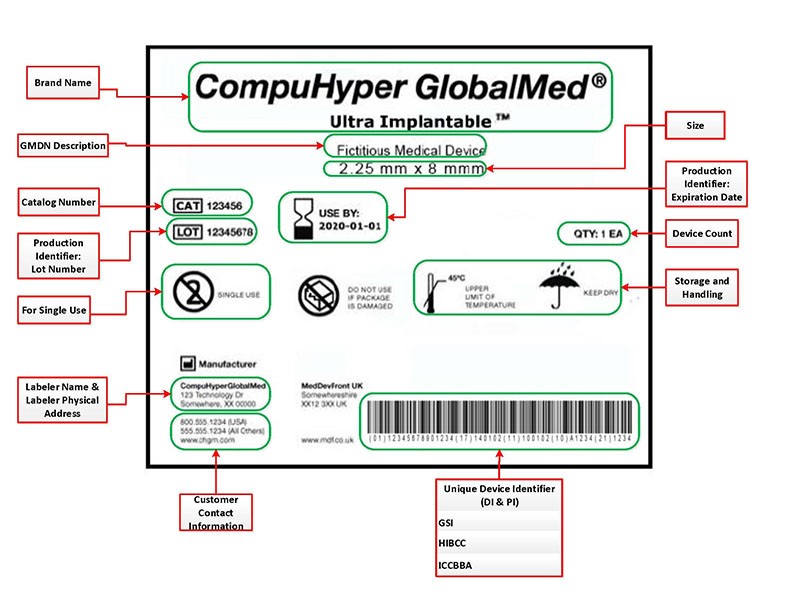
Source: How do I recognize a UDI on a label?
Frequently Asked Questions (FAQs)
1.Does every medical device importer need FDA registration?
A U.S. initial importer generally must register with the FDA before importing medical devices. A distributor that does not import devices or perform another activity requiring registration may be treated differently. The company's actual supply-chain activities determine its obligations.
2.Is FDA device listing the same as FDA approval?
No. Establishment registration and device listing are administrative requirements. They do not mean that a device has received FDA approval, clearance, or authorization. Devices requiring a 510(k), De Novo, or PMA pathway must meet the applicable premarket requirements separately.
3.Can an importer list a medical device on behalf of a foreign manufacturer?
An initial importer registers its own establishment and identifies the foreign manufacturers and devices it imports. The foreign manufacturer or other responsible establishment maintains its own applicable device listing. The importer does not replace that manufacturer's listing obligations.
4.Does a private-label medical device brand need FDA registration?
It depends on the brand owner's activities. A company acting as a specification developer, relabeler, or repackager may have registration and listing obligations. A brand that only distributes a device may have different responsibilities. Its role should be assessed before production and labeling begin.
5.Does FDA medical device listing require laboratory test reports?
A general laboratory report is not a universal attachment for establishment registration or device listing. However, applicable performance, safety, or other technical evidence may be needed for a premarket submission or to demonstrate compliance with relevant requirements. The required evidence depends on the specific device and pathway.
How Can Testcoo Support Importers' FDA Readiness?
FDA registration and listing remain the responsibility of the relevant owner/operator, manufacturer, importer and other regulated establishments. Testcoo does not issue FDA clearances or approvals, submit regulatory listings on behalf of the FDA, or replace the manufacturer's regulatory responsibilities. Its role is to support buyers with independent supplier and product verification.

Free Sample Report Performance Quality Control
Download a sample report to keep control of your supply chain!

Featured Articles
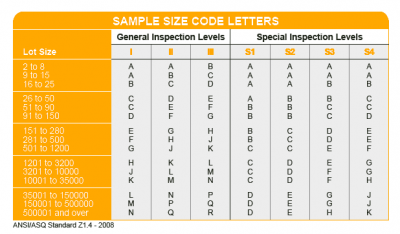 AQL Table | How to Read It
 TOP 10 Common Defects in Garments Quality Inspection
 Product Packaging and Shipment Label requirements for Amazon FBA
 What Is ASTM-F2413-18? Protective Footwear Standard
 How to Conduct Third-Party Quality Control Inspections for Electric Scooters
 SMETA Audit-What is SMETA Audit?
 TESTCOO Supplier Verification/Certification Service SLCP, Higg FEM, GRS, GOTS
 Quality Control Inspection Company in China
 What is Quality Inspection? A Complete Guide
 Guidelines for Product Inspection in India
Category
- Production Inspection Service
- Factory Audit
- Softline Inspection
- Hardline Inspection
- Electrics Inspection
- Certification
- Checklist
- Manufacturers
- Quality Assurance Basics
- Products Recall
- AQL
- Guidence and Standard
- News
- Supplier Management
- Amazon
- Protective Equipment
- e-commerce quality control
- Indian Manufacturing
- Soft Goods Quality Control
- Supply Chain Management
- Supply Chain Resilience
- E-Commerce Quality Control
- ISO 2859
- Supply Chain Optimization
- Garment Industry
- Higg Index